10 Essential Tips for Preparing for Bone Surgery

Preparing for bone surgery is a critical process that demands careful consideration and planning. According to a report by the American Academy of Orthopaedic Surgeons, nearly 7 million bone surgeries occur annually in the United States. This statistic underscores the importance of proper preparation to ensure successful outcomes. Dr. Emily Smith, a renowned orthopedic surgeon, states, "A well-prepared patient is more likely to recover quickly and effectively."

Before surgery, patients must understand the intricacies involved. This includes managing preoperative anxiety, understanding postoperative expectations, and minimizing potential complications. Many patients overlook vital details, which can lead to delays or unexpected challenges. For instance, research indicates that approximately 20% of patients do not follow pre-surgery guidelines, impacting their recovery.

Engaging in open communication with healthcare providers is essential. Patients often need to voice their concerns and ask questions. Addressing uncertainties can pave the way for a smoother surgical experience. In this context, the journey to bone surgery involves both the physical and emotional realms, highlighting the need for a holistic approach to patient care.

10 Essential Tips for Preparing for Bone Surgery

Understanding Bone Surgery: Types and Common Procedures

10 Essential Tips for Preparing for Bone Surgery

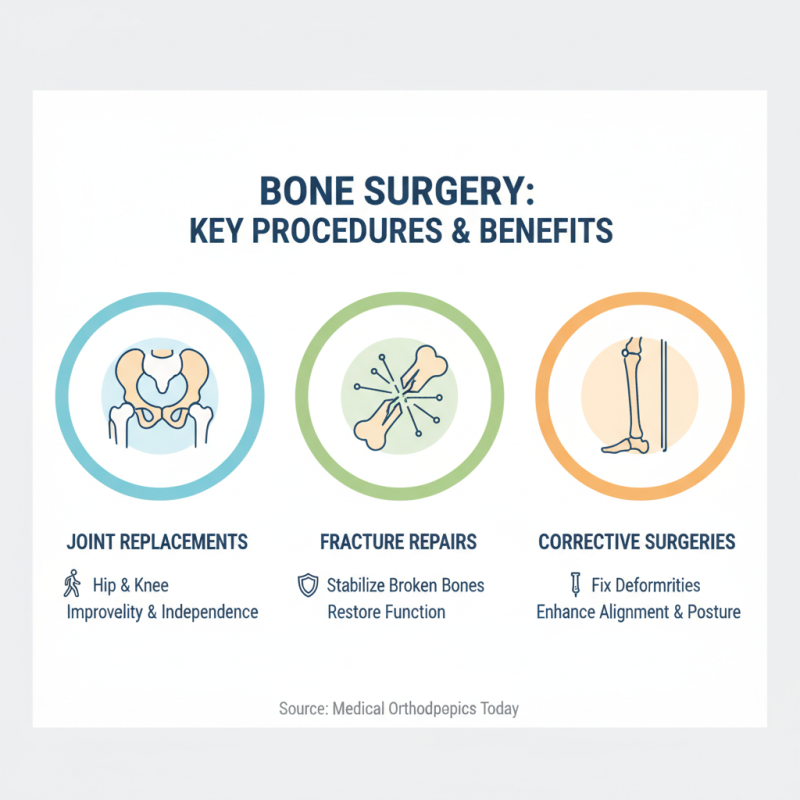
Bone surgery refers to various procedures aimed at treating conditions affecting bones. There are several types of bone surgeries, each with specific purposes. Some common procedures include joint replacements, fracture repairs, and corrective surgeries for deformities. For instance, hip or knee replacements can vastly improve mobility. They allow patients to regain a significant amount of independence.

Understanding these surgeries is crucial for anyone facing them. It's common to feel anxious and overwhelmed about the process. Patients often overlook the importance of pre-surgery discussions with their doctor. Knowing what happens during and after surgery can ease fears. Some might even forget to ask about recovery expectations. It's essential to be prepared for both the physical and emotional aspects of the healing process.

Every procedure carries risks, like infection or complications. These outcomes may not be fully preventable, and patients must recognize this uncertainty. Research shows that open communication can help alleviate doubts. It’s vital to talk about concerns, even if they seem trivial. Embracing a proactive mindset can lead to a better surgical experience, solidifying the journey toward recovery.

Preoperative Assessments: Importance of Imaging and Laboratory Tests

10 Essential Tips for Preparing for Bone Surgery

Preoperative assessments are crucial in bone surgery. Imaging tests like X-rays and MRIs provide detailed views of bone structures. They help identify fractures, tumors, or deformities. According to the American Academy of Orthopaedic Surgeons, effective imaging can increase surgical success rates by up to 30%. These tests highlight pathologies that may not be visible during a physical exam.

Laboratory tests also play a significant role. They evaluate a patient's blood count, kidney function, and electrolyte levels. Abnormal results may indicate risks during surgery. The Journal of Bone and Joint Surgery stresses that identifying these issues preoperatively can reduce complications by 15%.

However, preparations aren’t foolproof. Occasionally, imaging may miss subtle fractures or lesions. Lab results can be misleading due to variations in patient health. It’s vital for patients to maintain clear communication with their healthcare team. Open discussions can clarify any uncertainties. Expert teams must always stay vigilant, knowing the limits of technology.

Nutrition's Role: Essential Diet Recommendations Before Surgery

Nutrition plays a vital role in preparing your body for bone surgery. A well-balanced diet can enhance recovery and improve outcomes. Focus on getting plenty of fruits and vegetables. They are rich in vitamins and minerals. Leafy greens, like spinach, provide essential nutrients. These nutrients support healing and strengthen bones.

Protein is equally important. Incorporate lean meats, beans, and nuts into your meals. These foods help rebuild tissue after surgery. Consider your hydration levels as well. Drinking enough water aids in digestion and nutrient absorption. Sometimes, people overlook hydration. It might seem simple, but it’s essential for recovery.

Don’t forget to limit processed foods. They can hinder the healing process. High sugar and high-fat foods may lead to inflammation. Avoiding these can make a significant difference. Listen to your body. Every individual needs different nutrition. It’s crucial to assess what makes you feel good. Reflect on your eating habits, and make changes if necessary.

10 Essential Tips for Preparing for Bone Surgery - Nutrition's Role: Essential Diet Recommendations Before Surgery

Tip Number Dietary Focus Nutrients to Include Suggested Foods
1 Increase Calcium Intake Calcium Dairy products, leafy greens
2 Boost Vitamin D Levels Vitamin D Fatty fish, fortified foods
3 Increase Protein Intake Protein Meat, eggs, legumes
4 Stay Hydrated Water Water, herbal teas
5 Limit Processed Foods Essential nutrients Whole foods, fresh produce
6 Incorporate Omega-3 Fatty Acids Omega-3 Walnuts, flaxseeds
7 Consume Antioxidant-Rich Foods Antioxidants Berries, nuts, dark chocolate
8 Monitor Iron Levels Iron Red meat, lentils
9 Maintain a Balanced Diet Balanced nutrients Variety of foods
10 Consult with a Nutritionist Personalized advice N/A

Managing Medications: What to Stop and What to Continue Pre-Op

Managing medications before bone surgery is crucial for a safe operation and smooth recovery. It’s essential to know what to stop and what to continue taking. Pain relievers might need to be paused. They can thin the blood and lead to complications. On the other hand, medications for chronic conditions should typically be continued. Always consult your doctor for personalized advice.

When preparing for surgery, keep a detailed list of your medications. This list helps healthcare providers understand your health better. Include prescription drugs, over-the-counter medications, and supplements. Don’t skip any details; even vitamins can impact your surgery. It’s important to discuss all of them openly with your medical team.

Consider the timing of your last doses. Some medications need to be stopped days before surgery. Others can be taken right up until the operation. This can be confusing. Make sure you understand the instructions clearly. If you feel uncertain, don’t hesitate to ask questions. Your safety is the priority.

Medications Management Before Bone Surgery

Creating a Recovery Plan: Expected Outcomes and Rehabilitation Strategies

Creating a recovery plan is crucial for anyone preparing for bone surgery. Patients should start by understanding the expected outcomes. Knowing what to expect helps build realistic expectations. Recovery can vary widely from person to person. Some may heal quickly, while others might take longer. It's essential to accept that the process isn’t always smooth.

Rehabilitation strategies play a key role in recovery. Physical therapy often begins shortly after surgery. Gentle exercises can help maintain mobility. Patients should communicate openly with their healthcare team. They need to express any worries or discomfort. Additionally, setting small, achievable goals for recovery can provide motivation. Progress may feel slow. But every step forward is significant. Balancing rest and activity is often challenging. Listen to your body and adjust accordingly. Recovery is a journey, one that requires patience and determination.