| Food-Grade Glycine Powder | Food-additive specifications; may be supplied with HACCP, ISO 22000, or equivalent food-safety documentation | Commonly about 98.5%–101.5%, depending on the applicable specification | Fine white crystalline powder; standard or custom particle-size distribution | Food formulation, flavor balancing, nutritional products, beverages, and processing aids | Food manufacturers, supplement formulators, and importers requiring food-use documentation | Food-law compliance in the destination market, allergen statement, heavy metals, microbiology, and certificate of analysis |
| Pharmaceutical-Grade Glycine Powder | Produced and tested against a recognized pharmacopoeial or pharmaceutical quality system | Often specified around 98.5%–101.5%; the exact range depends on the monograph and test method | Fine crystalline powder with controlled impurities and particle-size requirements where applicable | Pharmaceutical formulations, infusion-related products, laboratory preparations, and regulated nutraceuticals | Buyers needing higher documentation, traceability, and controlled impurity profiles | USP–NF, Ph. Eur., BP, or destination-market requirements; residual solvents, elemental impurities, endotoxins where relevant, and GMP evidence |
| Feed-Grade Glycine Powder | Animal-feed additive or feed-material specifications, subject to the regulations of the importing country | Commonly near 98% or higher, but the contractual specification must be confirmed | White crystalline powder; particle size may be adjusted for premix handling | Livestock, poultry, aquaculture, premixes, and compound-feed formulations | Feed producers prioritizing nutritional function and cost-efficient bulk supply | Feed-additive registration, contaminant limits, microbiological safety, traceability, and non-human-food-use labeling where required |
| Technical or Industrial-Grade Glycine | Industrial specification rather than a food or pharmaceutical monograph | Varies by application and contract; do not assume food or pharmaceutical suitability | Fine powder or crystalline material, depending on process requirements | Metal treatment, electroplating formulations, chemical processing, and other industrial uses | Industrial users seeking functional performance and competitive delivered cost | Impurity profile, compatibility with the process, safety data sheet, customs classification, and confirmation that the material is not intended for ingestion |
| Ultra-Fine Glycine Powder | A particle-size designation that can be combined with food, feed, or pharmaceutical quality | Usually follows the underlying grade specification; particle size does not by itself prove purity | Very small particles with increased surface area and faster dispersion than standard powder | Powder blends, capsules, premixes, laboratory work, and applications requiring rapid dispersion | Buyers needing improved blending or dissolution behavior | Laser-diffraction particle-size report, dust control, flowability, moisture protection, and safe handling procedures |
| Granulated or Agglomerated Glycine | A physical form designed to improve flow and reduce dust; quality grade must be specified separately | Generally follows the food, feed, or pharmaceutical grade selected by the buyer | Larger, engineered particles with improved flowability and reduced powder dust | Automated dosing, sachets, tablet blends, premixes, and high-throughput production lines | Manufacturers that experience bridging, dust, or feeding problems with fine powder | Granule-size distribution, friability, dissolution or dispersion time, bulk density, and compatibility with the production line |
| Fermentation-Derived Glycine | Manufacturing-route description; the final grade is determined by purification and the applicable specification | Depends on the final food, feed, pharmaceutical, or technical specification | Typically supplied as a white crystalline powder after purification and drying | Applications where production route, sustainability, or biotechnology documentation is commercially important | Buyers with route-specific, sustainability, or clean-label procurement criteria | Manufacturing-route evidence, source materials, residual impurities, regulatory acceptance, and life-cycle documentation |
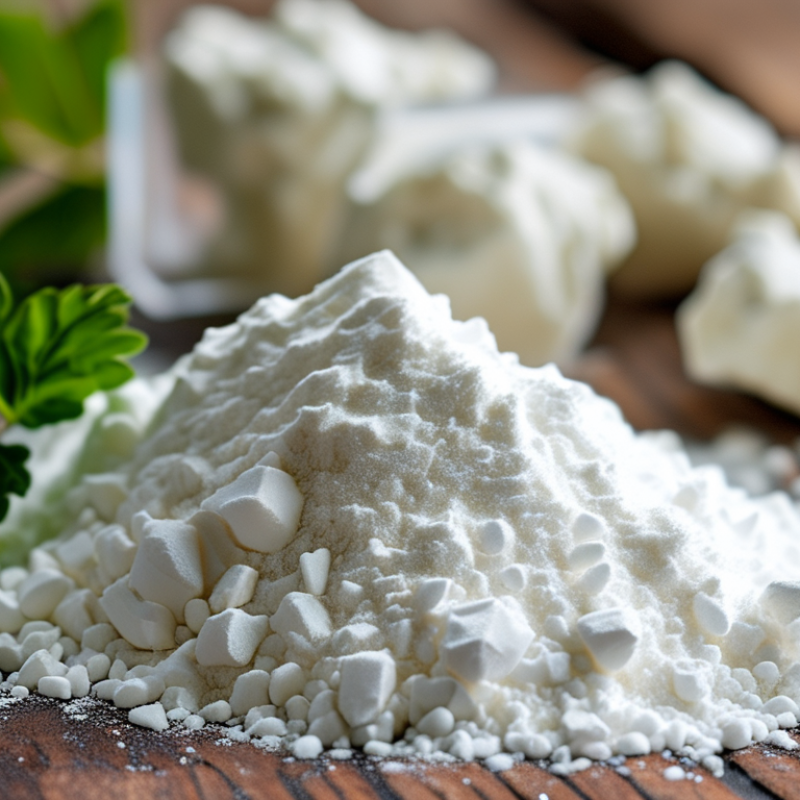
| Standard Crystalline Glycine Powder | General-purpose crystalline glycine identified by CAS 56-40-6 | Purity varies by grade; buyers should rely on the contractual specification and certificate of analysis | White, odorless crystalline powder; glycine has a molecular weight of approximately 75.07 g/mol | General formulation, research, blending, and applications where a specialized particle format is unnecessary | Global buyers comparing standard specifications and delivered cost | CAS number, assay, moisture, chloride, sulfate, heavy metals, packaging integrity, shelf life, and destination-country import rules |




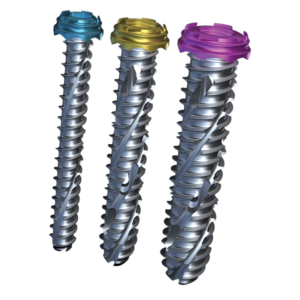

 System Features
 Key Features
 Key Features
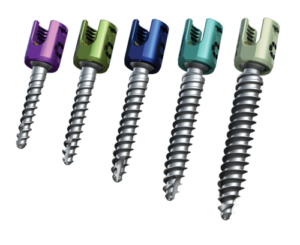 Key Features
 Key Features
 Key Features
 Key Features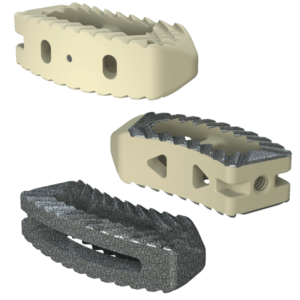
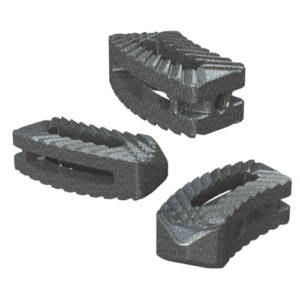
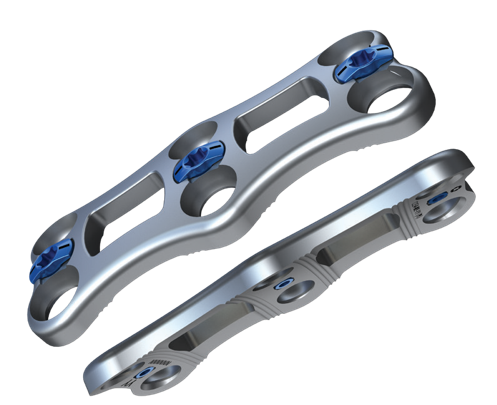
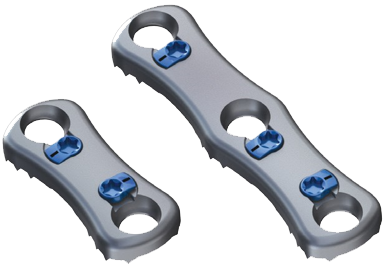
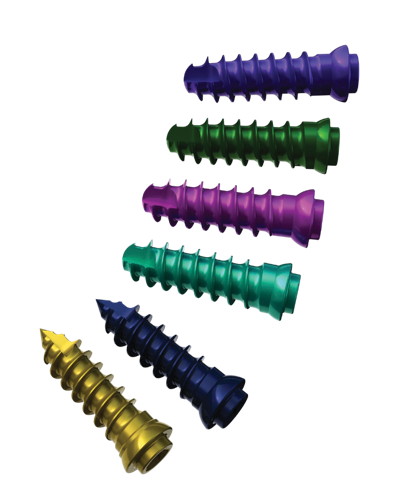
 Key Features
 Key Features
 Key Features