| Lace-Up Ankle Splint | Moderate
Suitable for mild to moderate instability, routine activity, and sports support. | Measure the ankle or foot circumference according to the product's sizing chart. The heel should remain centered, while the toes should move freely without pressure. | Usually made with breathable fabric, synthetic leather, foam padding, and textile laces or straps. | Highly adjustable. Tension can be changed across different parts of the ankle, but tightening may take longer than using hook-and-loop straps. | Provides a close, supportive fit. Check that the laces do not create numbness, tingling, skin discoloration, or cold toes. |
| Stirrup Ankle Splint | Moderate to High
Designed to limit excessive side-to-side ankle movement. | The side supports should sit alongside the ankle bones without pressing directly into them. The foot should remain flat and stable inside the splint. | Commonly uses semi-rigid plastic side shells, foam liners, air cells, fabric covers, and hook-and-loop straps. | Generally easy to adjust. Straps allow quick tightening or loosening, even when wearing athletic footwear. | A bulky design may not fit comfortably in narrow shoes. Check for rubbing around the ankle bones and heel. |
| Rigid Hinged Ankle Splint | High
Useful when strong stabilization is needed while allowing controlled forward and backward movement. | The hinge should align approximately with the ankle joint. The splint must not shift during walking or create pressure at the calf, heel, or ankle bones. | Often constructed from molded plastic or composite supports with foam, fabric, and padded liners. | Usually adjustable through straps or removable liners. Correct alignment may require professional fitting. | Offers substantial control but may restrict movement and increase shoe size requirements. Follow clinical guidance after significant injury or surgery. |
| Elastic Compression Sleeve | Low
Appropriate for light compression, mild swelling, and general proprioceptive support. | Select the size using the specified ankle or foot circumference. It should feel snug but should not cause numbness, tingling, increased pain, or color changes. | Typically made from knitted elastic fibers, nylon, polyester, spandex, or a blend of textile materials. | Very easy to put on and remove, but it provides less fine-tuning than a strap-based splint. | Check the top and bottom edges for rolling or tight bands. It is not intended to replace rigid support for major instability. |
| Figure-Eight Ankle Strap | Low to Moderate
Provides targeted support for mild instability and activity-related discomfort. | The strap should cross the ankle securely without cutting into the skin. The heel should remain uncovered or comfortably positioned, depending on the design. | Common materials include woven elastic, neoprene, nylon, foam, and hook-and-loop fasteners. | Easy to adjust and usually faster to apply than a lace-up model. Adjustment precision depends on strap width and fastening position. | A narrow strap may create pressure points. Avoid placing fasteners directly over irritated skin or open wounds. |
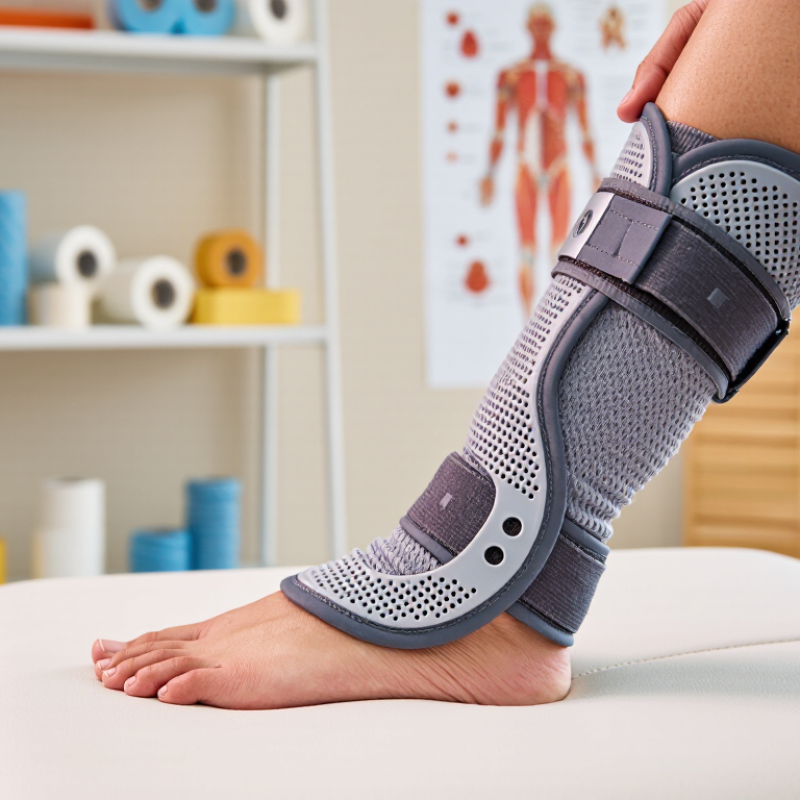
| Night Ankle Splint | Positioning Support
Intended to maintain a selected ankle or foot position during rest, when clinically recommended. | Confirm that the heel is fully seated and that the foot is not forced into a painful position. The splint should remain stable without excessive compression. | Usually combines a rigid or semi-rigid frame, padded fabric, foam, and adjustable straps. | Moderate. Straps are usually adjustable, but the overall position may require careful setup. | Comfort is especially important for prolonged wear. Stop use and seek advice if pain, skin damage, numbness, or circulation changes occur. |
| Post-Injury Walking Splint | Very High
Used when substantial protection and reduced ankle motion are required under professional direction. | Sizing commonly depends on foot length, shoe size, and calf or ankle dimensions. The foot should sit fully inside the base with even weight distribution. | Often uses a rigid plastic shell, padded liner, molded sole, foam, and multiple adjustable straps. | Easy to tighten with straps, but fit and walking technique may require instruction from a healthcare professional. | Heavier and bulkier than athletic braces. Confirm whether the device is appropriate for weight-bearing and follow the prescribed wearing schedule. |
| Adjustable Air-Cushion Splint | Moderate to High
Provides lateral support with customizable cushioning for some acute or chronic ankle conditions. | The air cushions should contact the ankle evenly without creating concentrated pressure. Adjust the air volume gradually while standing or walking only as permitted. | Commonly includes semi-rigid shells, inflatable air cells, foam, mesh fabric, and hook-and-loop straps. | Adjustable, but changes should be gradual. Overinflation can reduce comfort and may increase pressure on soft tissue. | Inspect the air cells and valves for leakage. The design may be unsuitable for people who cannot reliably monitor skin sensation or circulation. |




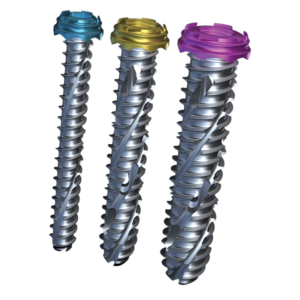

 System Features
 Key Features
 Key Features
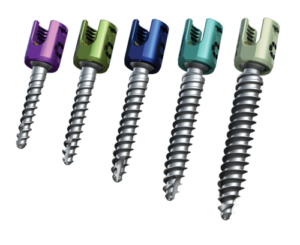 Key Features
 Key Features
 Key Features
 Key Features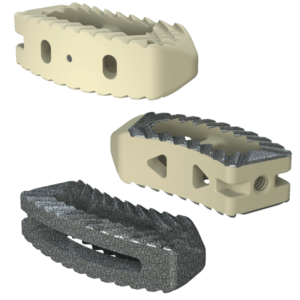
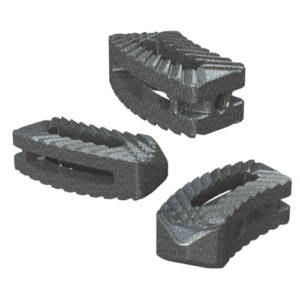
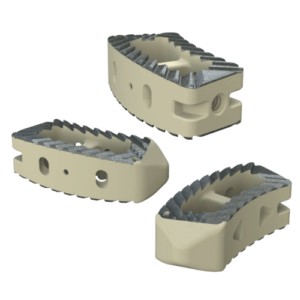
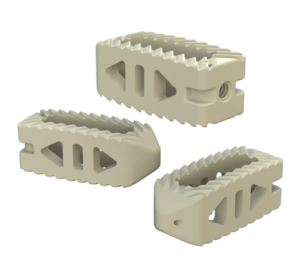
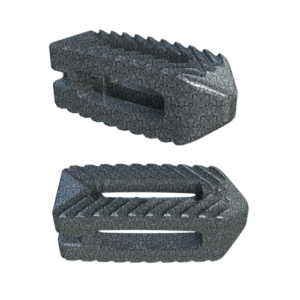
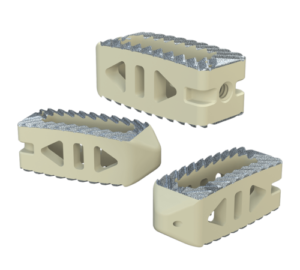
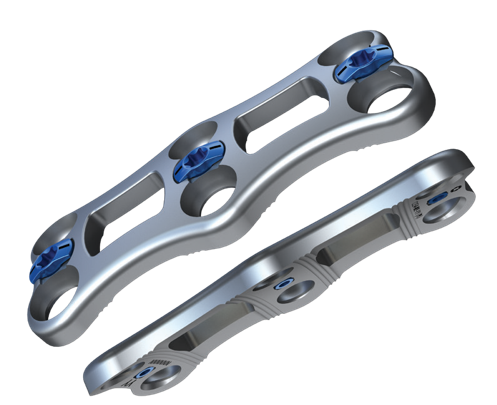
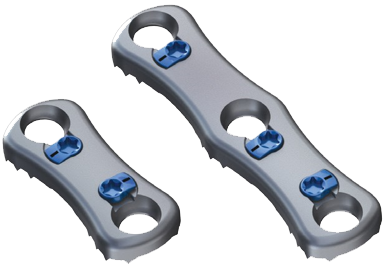
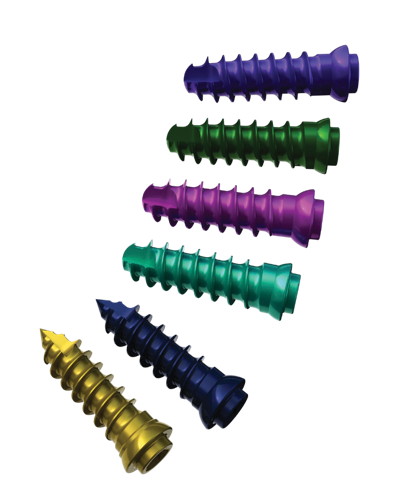
 Key Features
 Key Features
 Key Features