| 1 | Understand the protein form | Look for whey protein hydrolysate or hydrolyzed whey peptides on the ingredient panel. | Hydrolysis uses enzymes to break some intact whey proteins into shorter peptide chains. The product may still contain free amino acids and larger peptides. | Shorter peptides can be digested and absorbed more rapidly than intact proteins, although the practical advantage depends on the degree of hydrolysis and the individual’s needs. |
| 2 | Check protein content | Compare grams of protein per serving rather than relying only on the front-label claim. | A practical comparison is the percentage of protein by weight: protein percentage = protein grams ÷ serving-size grams × 100. Higher values generally indicate less room for fillers, flavorings, or carbohydrates. | This helps distinguish a concentrated protein product from a formula that contains a relatively small amount of hydrolyzed whey. |
| 3 | Evaluate the degree of hydrolysis | Check whether the supplier provides a degree of hydrolysis value or peptide-size information. | The degree of hydrolysis describes the proportion of peptide bonds that have been cleaved. A higher value generally indicates more extensive breakdown, but there is no single degree that is ideal for every application. | More extensive hydrolysis may improve solubility and digestion speed, while excessive hydrolysis can increase bitterness and may not provide a meaningful benefit for all users. |
| 4 | Review amino acid quality | Look for a complete amino acid profile, especially leucine and total essential amino acids. | Whey protein naturally contains all essential amino acids. Leucine is a key branched-chain amino acid involved in signaling pathways related to muscle protein synthesis. | Amino acid composition is more informative than the word “peptide” alone when judging whether the product can support daily protein and exercise-related nutrition. |
| 5 | Compare digestion and tolerance needs | Consider lactose content, digestive symptoms, allergies, and the intended use. | Hydrolyzed whey is not automatically lactose-free or suitable for people with a milk-protein allergy. Lactose levels vary by product, and people with milk-protein allergy should avoid whey unless advised otherwise by a qualified healthcare professional. | Hydrolysis may improve tolerance for some people, but it does not remove all milk-derived components or guarantee freedom from digestive discomfort. |
| 6 | Check testing and label transparency | Prefer products with a full ingredient list, batch identification, contaminant testing, and clearly stated serving information. | Useful quality checks may include testing for protein content, heavy metals, microbiological contamination, and undeclared substances. Third-party certification can provide additional assurance when its scope is clearly stated. | Independent verification helps reduce the risk of inaccurate protein claims, contamination, or undisclosed ingredients. |
| 7 | Match the product to the use case | Choose according to recovery goals, convenience, formulation needs, and cost per gram of protein. | Hydrolyzed whey may be useful when rapid digestion, easy mixing, or a specialized nutrition formula is important. For many healthy adults, total daily protein intake and an adequate overall diet are more important than hydrolysis alone. | This prevents paying a premium for a feature that may not add practical value for a normal post-workout or daily protein routine. |
| Key takeaway: Whey hydrolyzed peptides are partially pre-digested whey proteins made of shorter peptide chains. When comparing products, prioritize transparent labeling, verified protein content, amino acid quality, tolerance, and suitability for the intended use rather than relying on “hydrolyzed” as the only quality indicator. |






 System Features
 Key Features
 Key Features
 Key Features
 Key Features
 Key Features
 Key Features
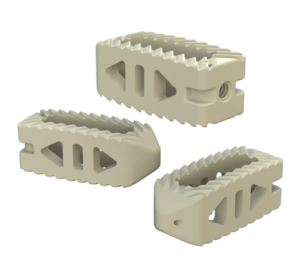
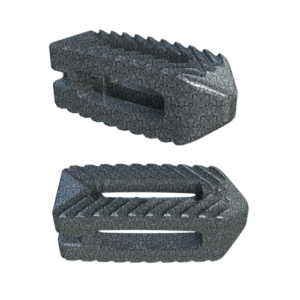
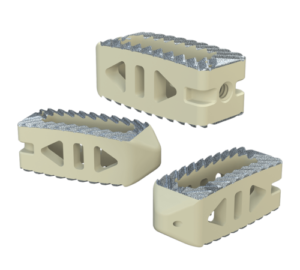



 Key Features
 Key Features
 Key Features