Reclining Wheelchair Benefits and Features to Consider?

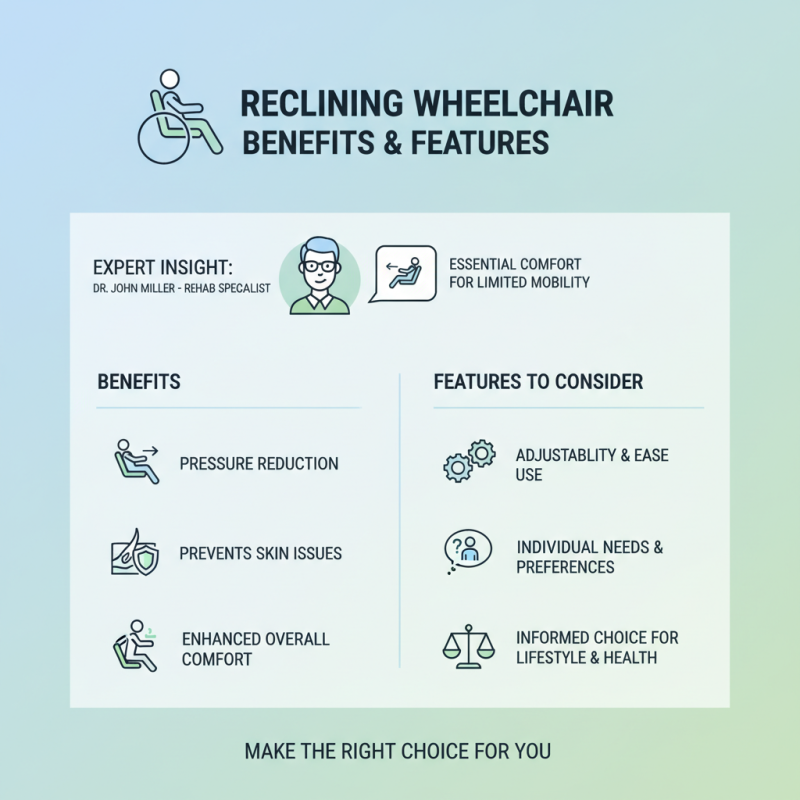
In the realm of mobility solutions, a Reclining Wheelchair stands out for its unique benefits. Experts like Dr. John Miller, a leading rehabilitation specialist, emphasize, "Reclining wheelchairs offer essential comfort, especially for those with limited mobility." This perspective opens up a discussion on the critical features of these wheelchairs.

Reclining wheelchairs are designed to provide more than basic support. They allow users to adjust their position, reducing pressure on certain areas. This adjustment can prevent skin issues and enhance overall comfort. For individuals battling chronic conditions, this feature is vital.

However, not all reclining models are alike. Some users may find certain designs cumbersome. Others might struggle with learning how to operate them effectively. It’s important to weigh individual needs and preferences when considering a Reclining Wheelchair. By understanding the benefits and potential drawbacks, users can make an informed choice that truly fits their lifestyle and health requirements.

Reclining Wheelchair Benefits and Features to Consider?

Overview of Reclining Wheelchairs and Their Purpose

Reclining wheelchairs serve a crucial purpose for individuals with mobility challenges. These chairs allow users to adjust their position, providing comfort and support. This feature is especially beneficial for those who suffer from pressure sores or need to relieve tension in their bodies.

The design of reclining wheelchairs varies. Some models offer a simple tilt, while others provide multiple reclining angles. Many users appreciate the ability to elevate their legs, which can aid in circulation. However, not all wheelchairs come with adequate support features. It’s essential to consider personal needs and physical limitations when choosing a wheelchair.

Comfort is key, but so is usability. Some may find it hard to maneuver a large reclining wheelchair in tight spaces. It is vital to balance the need for comfort with the practicality of daily use. Additionally, weight can be an issue. Heavier models can become cumbersome over time. Thoughtful consideration is necessary to ensure that the wheelchair meets the user's lifestyle and mobility goals.

Reclining Wheelchair Benefits

Key Benefits of Using a Reclining Wheelchair

Reclining wheelchairs offer several key benefits, especially for users needing enhanced comfort. One major advantage is the ability to adjust the backrest. This feature allows individuals to find their optimal position easily. When the backrest is reclined, pressure on the spine is reduced. This can significantly alleviate discomfort during long periods of sitting.

Another benefit is better circulation. By changing the posture, users can avoid the risk of pressure sores. Reclining encourages blood flow to vital areas, promoting overall health. However, users must monitor how long they spend in a reclined position. It’s essential to balance comfort with mobility needs.

Additionally, reclining wheelchairs facilitate better rest during the day. Users can take short naps or relax without leaving their chair. This is helpful for those with limited mobility. Still, some individuals might struggle with adjusting to the chair’s mechanics. It’s worth considering personal preferences before making a choice. The design may not suit everyone perfectly.

Important Features to Consider When Choosing a Reclining Wheelchair

Choosing a reclining wheelchair requires careful consideration of several important features. Comfort is paramount. Look for models with adjustable leg rests and head support. These features provide added relaxation for long periods of use. Cushioned seats are vital. They help reduce pressure sores and improve overall comfort.

Another critical aspect is weight capacity. Ensure the wheelchair can support the user’s weight comfortably. It’s essential for safety and durability. Additionally, portability matters. Some wheelchairs can be folded for easy transport, which is useful for outings. Think about the wheelchair’s overall width as well. A wider chair may offer more comfort but could be harder to navigate in narrow spaces.

**Tips:** Test the reclining mechanism if possible. Does it move smoothly? You want ease of use. Consider the materials of the frame and seat. They should be sturdy yet lightweight. Also, check for options with extra storage. A functional design enhances independence. Balancing comfort and practicality is key in your choice.

Reclining Wheelchair Benefits and Features to Consider

Feature Description Benefits
Reclining Backrest Allows user to adjust the angle of the backrest for comfort. Provides relief from pressure sores and enhances comfort.
Adjustable Leg Rests Leg rests that can be repositioned based on individual needs. Helps with circulation and reduces leg swelling.
Padded Seat and Back Soft cushioning on the seat and back for improved comfort. Enhances overall user experience and reduces discomfort.
Easy-to-Use Controls Simple mechanisms to adjust seating position. Enables independence and ease of use for caregivers.
Durable Frame Strong construction materials ensuring longevity. Offers safety and stability for daily use.
Lightweight Design Easy to maneuver and transport. Ideal for users who need to travel or move frequently.

Comparative Analysis: Reclining vs. Standard Wheelchairs

When evaluating reclining wheelchairs against standard options, comfort and functionality are crucial. Research shows that reclining wheelchairs can reduce pressure sores by offering a variety of positioning options. This feature is particularly important for users who spend extended periods seated. Standard wheelchairs typically maintain an upright position, which can lead to discomfort over time.

A study published in the Journal of Rehabilitation Research indicated that users of reclining wheelchairs reported a 40% reduction in discomfort compared to standard models. Reclining options can be particularly beneficial during long journeys. They allow users to rest more comfortably, which is essential for those with limited mobility. Standard models, while often lighter, may not provide the necessary support for prolonged use.

Tips: Always consider the user's specific needs before choosing a wheelchair. Evaluate how often the user will need to recline. Also, keep in mind the weight of the wheelchair; heavier options may be challenging to maneuver for some users. Careful consideration ensures that your choice aligns with comfort and mobility needs.

Tips for Maintaining and Caring for a Reclining Wheelchair

Maintaining a reclining wheelchair is crucial for users' comfort and safety. Regular cleaning is a must. Dirt and debris can accumulate, making it harder to move. A study reveals that 30% of wheelchair users reported issues related to poor maintenance. It's important to check the fabric and mechanisms for wear and tear. Often, small repairs can prevent larger problems down the line.

Adjusting the recline mechanism is another key point. Users should ensure the reclining feature works smoothly. If it’s stiff or jams, this can lead to frustration and potential injury. A survey shows that 40% of users did not know how to properly adjust their wheelchair, leading to discomfort. Regularly inspect the wheels and brakes, as they are vital for security. A wheelchair without functioning brakes is a significant hazard.

Battery care is also critical for powered reclining wheelchairs. Battery life should be monitored closely. Failing batteries can lead to unexpected breakdowns. In fact, 20% of users experience issues due to neglecting battery maintenance. Keeping the wheelchair fully charged can make a big difference. Ultimately, awareness and regular checks can enhance the user's experience and prolong the wheelchair's lifespan.