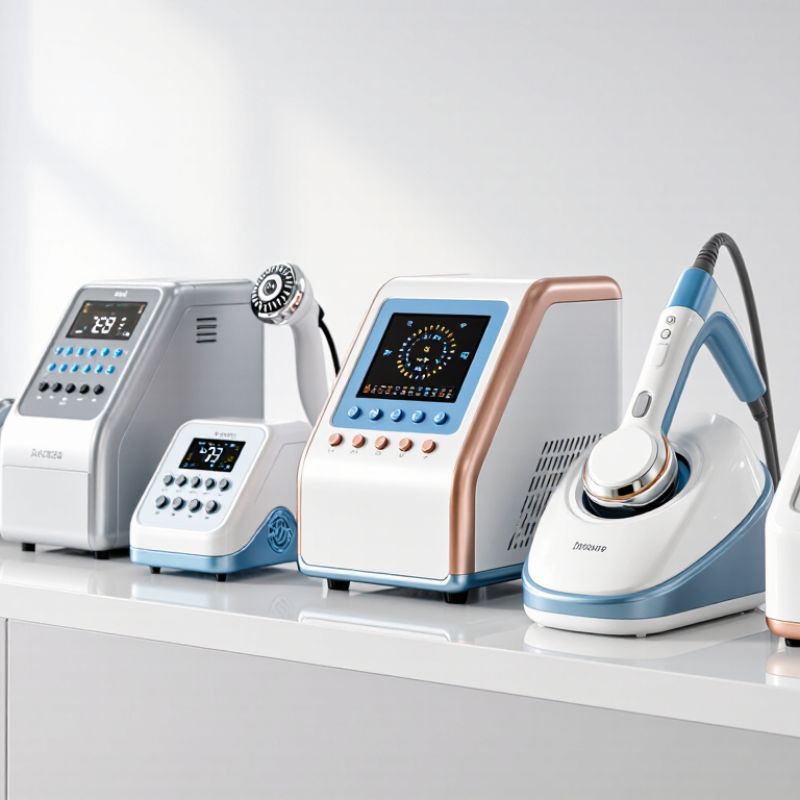
| 1 | Bipolar RF Facial Machine | Facial firming, fine-line care, and routine skin maintenance | Usually 1–2 MHz | Approximately 1–4 mm, depending on applicator and tissue properties | Two-pole energy delivery, adjustable intensity, temperature monitoring, handpiece control | Approximately 20–100 W input or rated output, depending on design | Beauty salons, spas, and entry-level aesthetic clinics | Confirm voltage, plug type, user manual, electrical safety documents, and spare handpieces | Disinfect the applicator after every treatment; inspect cables and cooling vents monthly |
| 2 | Multipolar RF Machine | Large-area facial and body skin-tightening programs | Commonly 0.5–2 MHz | Broad superficial-to-mid dermal heating; exact depth is not fixed | Three or more electrodes, even energy distribution, contact sensor, temperature control | Approximately 30–150 W, depending on the number of channels | Clinics requiring flexible facial and body treatment coverage | Check electrode configuration, treatment area, software language, and electromagnetic compatibility documents | Clean conductive surfaces, test temperature sensors, and keep gel residue away from connectors |
| 3 | Monopolar RF Body Contouring Machine | Body-area warming, temporary skin-smoothing programs, and larger treatment zones | Often 0.5–1 MHz | Potentially deeper energy distribution than bipolar systems; depth varies by applicator and grounding method | Single active electrode with return electrode, grounding monitoring, cooling or thermal feedback | Approximately 50–300 W, subject to the device design and treatment protocol | Body-care clinics and operators trained in monopolar RF safety procedures | Verify grounding-pad requirements, maximum treatment temperature, local radio-frequency rules, and insurance documentation | Replace disposable grounding pads as specified; inspect return-electrode cables before use |
| 4 | Vacuum RF Machine | Body massage programs, temporary appearance improvement, and combined suction-RF treatments | Usually 0.5–2 MHz | Superficial to mid-depth heating; suction changes the contact and tissue position | Adjustable vacuum, RF electrodes, negative-pressure control, multiple body handpieces | Approximately 50–250 W total system input, excluding vacuum-pump specifications | Spas and body-treatment centers seeking a multifunction platform | Confirm pump noise level, vacuum pressure units, replacement filters, hose standards, and packaging protection | Clean and disinfect cups, empty filters or moisture traps, and inspect hoses for leaks |
| 5 | Fractional RF Microneedling Machine | Professional skin rejuvenation, texture improvement, and acne-scar treatment programs | Commonly 1–2 MHz | Approximately 0.5–4.0 mm in adjustable increments, depending on cartridge design | Adjustable needle depth, insulated or non-insulated needle options, pulse control, disposable cartridges | Approximately 20–100 W or manufacturer-specific pulse-energy ratings | Medical-aesthetic clinics with trained and licensed operators | Check local classification, needle-cartridge registration, sterile-packaging records, lot traceability, and operator training requirements | Use a new sterile cartridge for each client; disinfect the handpiece and never immerse electrical components |
| 6 | Insulated Microneedle RF Machine | More controlled dermal heating while limiting energy delivery near the skin surface | Typically 1–2 MHz | Approximately 0.5–4.0 mm, depending on needle length and treatment settings | Insulated needle shafts, adjustable insertion depth, sequential or stamped delivery, pulse-duration control | Device specifications vary widely; compare pulse energy and duration rather than wattage alone | Clinics prioritizing depth control and repeatable treatment protocols | Request needle construction details, sterilization certificates, cartridge compatibility, and electrical safety test reports | Follow cartridge disposal rules, perform routine calibration checks, and keep the needle-drive mechanism clean |
| 7 | RF and LED Combination Machine | Multi-step facial programs combining RF heating with visible-light applications | RF commonly 1–2 MHz; LED wavelength depends on the light module | RF depth depends on electrode arrangement; LED is primarily a surface optical treatment | Independent RF and LED controls, timer, intensity adjustment, eye-protection accessories | Approximately 20–120 W combined system input, depending on the LED panel and RF module | Salons and clinics wanting a compact multifunction facial platform | Verify LED wavelengths, optical safety labeling, eye-protection requirements, EMC documents, and separate regulatory status | Clean the light panel and electrodes, check cooling fans, and protect LED surfaces from chemical residue |




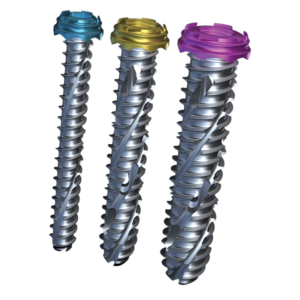

 System Features
 Key Features
 Key Features
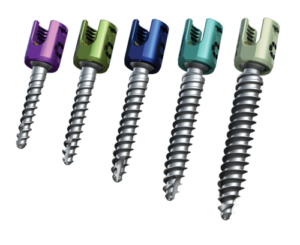 Key Features
 Key Features
 Key Features
 Key Features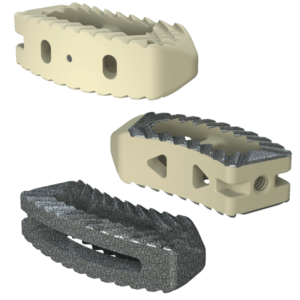
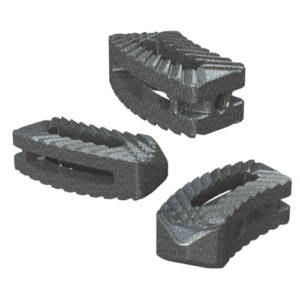
 Key Features
 Key Features
 Key Features