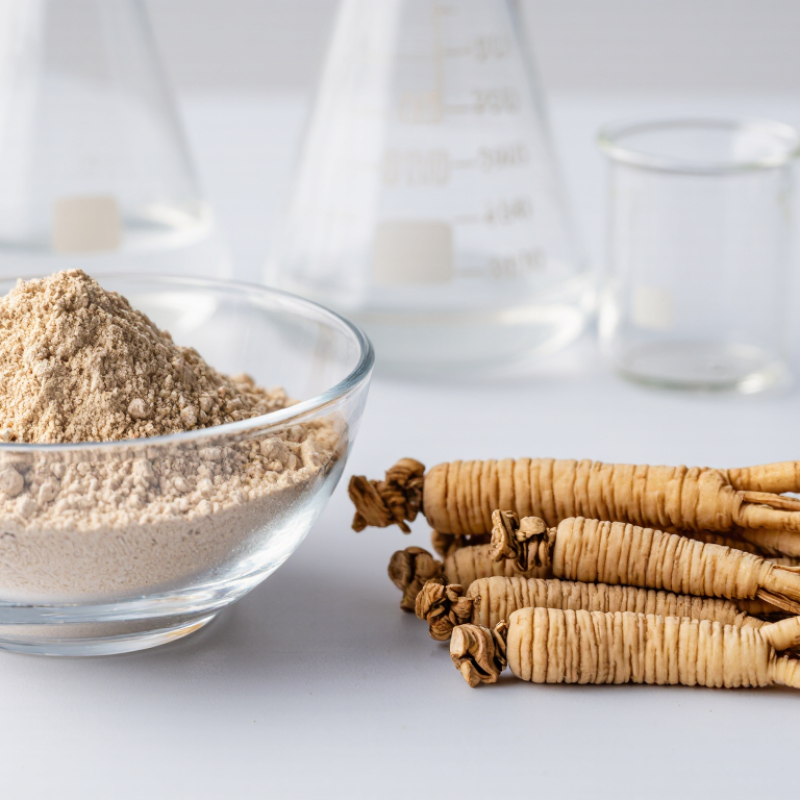
| Botanical Identity | Asian ginseng or American ginseng | Specify the exact species, such as Panax ginseng C.A. Meyer or Panax quinquefolius L. | Different Panax species have different characteristic ginsenoside profiles and should not be treated as interchangeable. | Macroscopic and microscopic examination supported by HPTLC, DNA testing, or authenticated reference material. |
| Plant Material | Root, root powder, or root extract | Use root-only material unless leaves, stems, or berries are intentionally required and separately declared. | The plant part can materially affect the ginsenoside composition, raw-material identity, and finished-product performance. | Supplier specification, botanical identification, and batch-level identity testing. |
| Processing Type | White ginseng or red ginseng | Define whether the root is air-dried or steamed and dried before extraction. | Steaming can alter the ginsenoside pattern and may increase the presence of transformed ginsenosides. | Processing declaration, manufacturing records, and chromatographic profile comparison. |
| Extraction Solvent | Water, aqueous ethanol, or hydroethanolic solvent | Select water extraction for beverage-oriented applications or aqueous ethanol when a broader compound profile is required. | Solvent choice affects extraction yield, residual-solvent requirements, flavor, color, and compatibility with the final product. | Manufacturing process record and residual-solvent test where applicable. |
| Extract Ratio | Native plant material-to-extract ratio | Common commercial declarations include approximately 5:1 to 10:1, but the ratio must be supported by mass-balance records. | Extract ratios are not directly comparable between suppliers unless the raw material, extraction method, and marker content are also disclosed. | Batch manufacturing record, yield calculation, and comparison with marker-compound assay. |
| Ginsenoside Standardization | Total ginsenosides and individual marker compounds | Set a buyer-defined minimum, commonly within a product-specific range such as 5% or 10% total ginsenosides; define the exact assay basis. | Standardization provides better batch-to-batch consistency than extract ratio alone. | Validated HPLC or UPLC testing with stated reference standards and calculation method. |
| Marker Profile | R-type and S-type ginsenoside distribution | Require a chromatographic fingerprint covering relevant markers such as Rb1, Rb2, Rc, Rd, Re, Rf, and Rg1 when applicable. | The marker pattern helps distinguish species, processing methods, and possible substitution or adulteration. | HPLC or UPLC chromatogram reviewed against an authenticated reference profile. |
| Physical Form | Spray-dried powder, milled extract powder, granules, or liquid extract | Choose a free-flowing powder for most dry-blend and capsule applications; define particle size and bulk density. | Physical properties affect filling accuracy, blending uniformity, dissolution, dust formation, and transport efficiency. | Particle-size analysis, bulk-density test, flowability assessment, and visual inspection. |
| Moisture | Water content of the finished extract | A practical purchasing target is usually not more than 5% to 8%, subject to the formulation and validated stability data. | Excess moisture can increase caking, microbial risk, chemical degradation, and packaging problems. | Loss-on-drying or Karl Fischer moisture analysis. |
| Solubility and Dispersibility | Performance in the intended application | Define a pass criterion in the actual medium, such as water at a stated temperature and concentration. | Extracts with similar chemical assays can behave differently in beverages, powders, tablets, or softgels. | Application-specific solubility, dispersion-time, sedimentation, and sensory tests. |
| Microbiological Quality | Total microbial count, yeast and mold, and specified pathogens | Meet the limits applicable to the intended market, dosage form, and regulatory category; require absence of specified pathogens where applicable. | Botanical powders and extracts can carry environmental microorganisms if agricultural and drying controls are inadequate. | Testing by an accredited laboratory using recognized pharmacopoeial or validated microbiological methods. |
| Contaminant Control | Heavy metals, pesticides, aflatoxins, and residual solvents | Set limits according to the destination market and applicable pharmacopoeial or food-supplement regulations. | Contaminant limits vary by jurisdiction and intended use, so a single universal limit should not be assumed. | ICP-MS or equivalent for metals, multi-residue pesticide analysis, aflatoxin testing, and residual-solvent analysis. |
| Agricultural Traceability | Country or region of cultivation, harvest year, and farm or lot traceability | Require traceability from raw-material lot through extraction batch and final packed lot. | Traceability supports recall readiness, authenticity assessment, and investigation of variability between harvests. | Supplier records, lot documents, certificates of analysis, and audit documentation. |
| Certificate of Analysis | Batch-specific quality documentation | Require identity, assay, moisture, microbiology, contaminants, production date, and lot number on each batch certificate. | A generic specification sheet does not demonstrate that the supplied lot meets the agreed requirements. | Review the certificate against independent incoming inspection and periodic third-party testing. |
| Packaging | Food-grade, moisture-protective bulk packaging | Use sealed inner liners within suitable bulk containers; define net weight, tamper evidence, and storage conditions. | Ginseng extract can absorb moisture and may lose quality if exposed to heat, light, oxygen, or humidity. | Packaging inspection, material declaration, seal integrity check, and transport simulation where needed. |
| Storage Conditions | Temperature, humidity, light, and handling requirements | Store in a cool, dry, dark place in tightly closed packaging; use the supplier's validated conditions. | Correct storage helps preserve assay, color, aroma, flowability, and microbiological quality. | Stability data, warehouse monitoring records, and periodic retained-sample testing. |
| Shelf Life | Expiration period supported by stability evidence | A 24-month period may be used only when supported by real-time or appropriately justified stability data. | Shelf life depends on the extract matrix, packaging, moisture, storage conditions, and assay stability. | Real-time and accelerated stability studies with defined acceptance criteria. |
| Order Planning | Forecast volume, delivery schedule, and replenishment frequency | Agree on a rolling forecast, production lead time, minimum shipment size, and safety stock before contracting. | Bulk purchasing is most effective when supply continuity and lot-to-lot consistency are planned together. | Supply agreement, production capacity review, lead-time records, and on-time delivery tracking. |
| Regulatory Fit | Destination-market requirements and permitted claims | Confirm whether the material will be regulated as a food, dietary supplement, traditional medicine, cosmetic ingredient, or pharmaceutical ingredient. | Permitted ingredients, documentation, labeling, dosage, and health claims differ substantially by jurisdiction and product category. | Regulatory review, product dossier, labeling assessment, and market-specific compliance check. |






 System Features
 Key Features
 Key Features
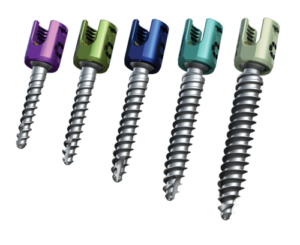 Key Features
 Key Features
 Key Features
 Key Features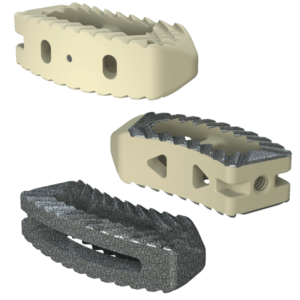
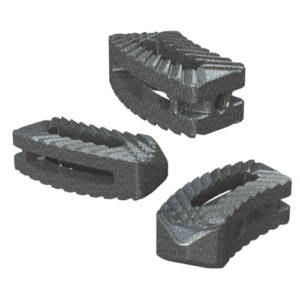
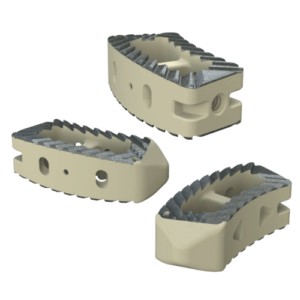
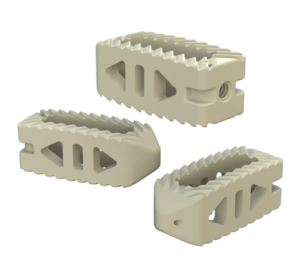
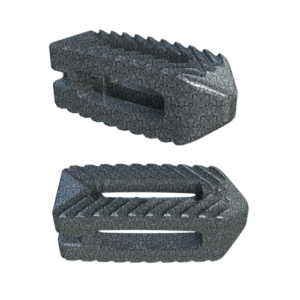
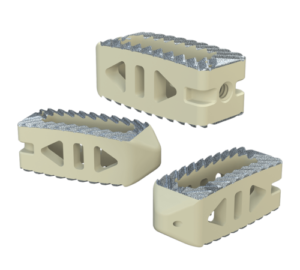

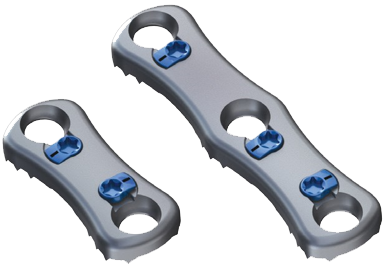

 Key Features
 Key Features
 Key Features