| Surgical gowns and drapes | Spunbond–meltblown–spunbond (SMS) polypropylene; sometimes laminated or otherwise reinforced in high-fluid-exposure areas | SMS combines a durable spunbond outer structure with a fine-fiber meltblown layer that can contribute to fluid-barrier performance. | Choose according to the intended procedure, exposure to fluids, required barrier level, seam and reinforcement design, and comfort. In the United States, evaluate the finished gown or drape using the applicable ANSI/AAMI PB70 classification. | Material name alone does not establish barrier performance. A gown’s construction, seams, coverage, and tested performance matter; stronger barriers may reduce breathability. |
| Medical face masks | Usually a multilayer construction with spunbond polypropylene outer layers and meltblown polypropylene filter media | Meltblown filter media can provide particle filtration, while outer layers support the mask’s structure and help manage splash exposure, depending on the design. | Check the applicable market’s requirements and the finished mask’s tested filtration, fluid resistance, fit, and labeling. In the United States, ASTM F2100 specifies performance requirements for medical face masks. | A filter layer by itself is not a complete mask. Fit, construction, test results, and intended use affect real-world protection. |
| Patient examination and procedure-table covers | Spunbond polypropylene or SMS polypropylene; absorbent laminated constructions may be used where fluid handling is needed | Lightweight, disposable sheets can provide a clean surface and help manage routine contamination during patient care. | Consider coverage, tensile strength, fluid exposure, absorbency needs, and whether a barrier is required for the specific procedure. | Basic spunbond material is not necessarily absorbent or an effective fluid barrier. Select a tested construction suited to the task. |
| Wound-contact dressings | Nonwoven polyester, viscose (rayon), or blended webs; some dressings combine a nonwoven absorbent layer with other functional layers | Fiber webs can be designed for softness, conformability, and fluid absorption, making them useful in selected dressing constructions. | Match the dressing to wound condition, exudate level, wear time, and whether the layer contacts the wound. Follow the product’s intended-use instructions. | Fiber type alone does not determine suitability for direct wound contact, adhesion, or fluid handling; those properties depend on the finished dressing. |
| Medical cleaning and prep wipes | Hydroentangled (spunlace) polyester, viscose, or polyester–viscose blends; other constructions are used for specific wipe formats | Hydroentanglement binds fibers using water jets and can produce flexible, low-linting webs without relying on a conventional thermal-bonding pattern. | Consider the surface being cleaned, required absorbency, lint limits, wet strength, and compatibility with the intended cleaning or disinfecting solution. | Wipe material does not establish disinfectant efficacy. Use the appropriate registered or locally authorized solution and follow its label directions. |
| Surgical caps and shoe covers | Typically spunbond polypropylene; coated or reinforced constructions are available for selected uses | Spunbond polypropylene is lightweight and suitable for disposable coverings where a basic particulate or contamination-control layer is appropriate. | Assess coverage, fit, tear resistance, comfort, and the level of fluid resistance needed in the care environment. | Basic nonwoven coverings are not automatically fluid-proof or equivalent to protective apparel designed for higher-risk exposure. |






 System Features
 Key Features
 Key Features
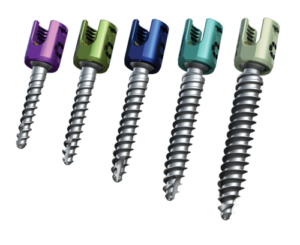 Key Features
 Key Features
 Key Features
 Key Features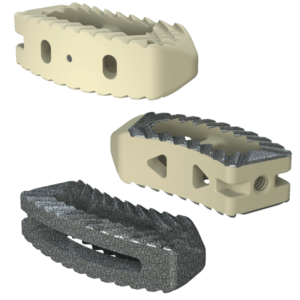
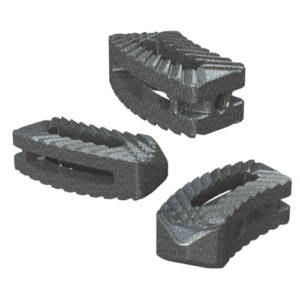
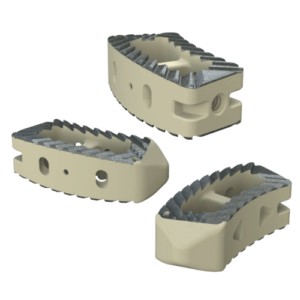
 Key Features
 Key Features
 Key Features