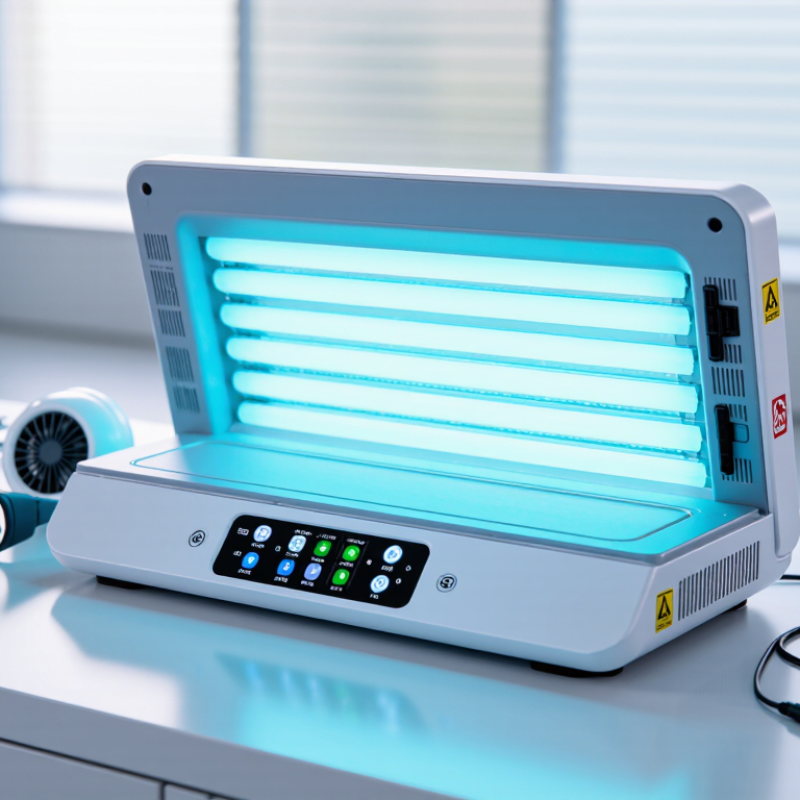
| 1 | Light Wavelength | Peak wavelength and spectral bandwidth | For visible blue-light devices, commonly stated peak wavelengths are approximately 405–470 nm. Products should disclose the peak wavelength and whether the output is narrow-band or broad-spectrum. | Wavelength affects how light interacts with the skin and eyes. A small difference in wavelength can change the intended application and the required safety assessment. | Request a spectral report, peak wavelength tolerance, bandwidth, and independent verification rather than relying only on the product name. |
| 2 | Irradiance and Intensity | Optical power density at the actual treatment distance | Irradiance is usually reported in mW/cm². Compare measurements at the user's stated distance, because intensity generally decreases as the distance from the light source increases. | Irradiance determines how much power reaches each square centimetre. A higher number is not automatically better; excessive exposure may increase glare, heat, or safety risk. | Check test distance, measurement method, uniformity across the treatment area, adjustable intensity settings, and whether protective eyewear is required. |
| 3 | Dose and Treatment Time | Energy density, exposure duration, and timer control | Energy density is calculated as: J/cm² = irradiance (W/cm²) × time (seconds). For example, 10 mW/cm² applied for 10 minutes equals approximately 6 J/cm². | Comparing irradiance alone can be misleading. The delivered dose depends on both light intensity and exposure time. | Confirm the stated dose, session duration, timer accuracy, automatic shut-off, and whether the instructions define a safe maximum daily exposure. |
| 4 | Coverage and Uniformity | Illuminated area, edge-to-edge consistency, and distance tolerance | Compare the effective illuminated area in cm² or the dimensions of the light-emitting surface. Ask for irradiance mapping, especially at the center and edges. | Uneven coverage can produce underexposed and overexposed areas, making results less consistent across the treatment zone. | Request a coverage map, recommended positioning distance, beam angle, diffuser details, and performance data for curved or uneven surfaces. |
| 5 | Treatment Area and Form Factor | Target body area, device size, flexibility, and positioning | Small spot devices are suited to localized areas, while larger panels or flexible masks can cover broader areas. The useful size should be judged by the actual treatment zone, not only by the external product dimensions. | A device that matches the treatment area can reduce repositioning, shorten sessions, and improve repeatability. | Compare active light-emitting area, contact or stand-off design, hands-free operation, portability, cable length, and compatibility with the intended body location. |
| 6 | Eye, Skin, and Electrical Safety | Optical safety, heat management, materials, and market compliance | Blue light can produce glare and may present retinal or photosensitivity concerns depending on wavelength, intensity, duration, and user condition. A compliant device should provide clear warnings, instructions, and electrical safety information. | Risk depends on the complete exposure conditions, not wavelength alone. Users with photosensitivity, certain eye conditions, or photosensitizing medicines may need professional advice before use. | Check documented photobiological safety testing, protective eyewear guidance, thermal controls, electrical certifications for the destination market, and contraindications. |
| 7 | Global Usability and Documentation | Voltage, plug type, language support, warranty, and technical transparency | Confirm whether the power supply supports the destination voltage, commonly 100–240 V AC, 50/60 Hz, and whether the correct plug adapter or cable is supplied. Requirements vary by country. | Proper electrical compatibility and complete documentation reduce installation problems, returns, customs delays, and incorrect use in international markets. | Request multilingual instructions, technical drawings, test reports, warranty terms, replacement-part availability, customs documentation, and after-sales support details. |




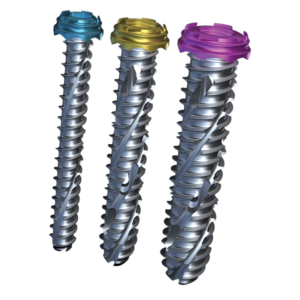

 System Features
 Key Features
 Key Features
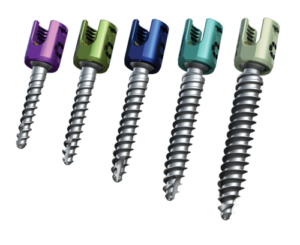 Key Features
 Key Features
 Key Features
 Key Features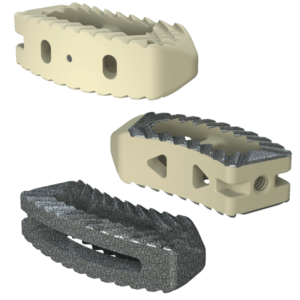
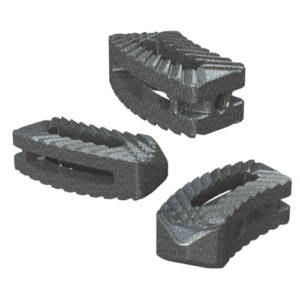
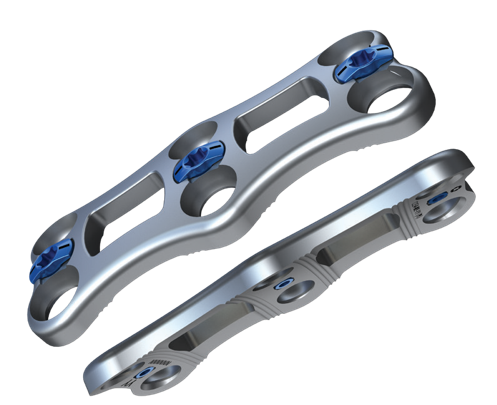
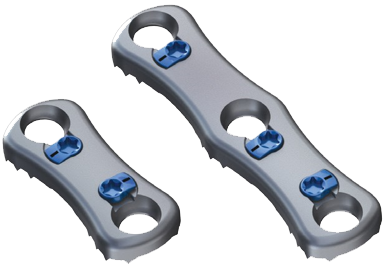
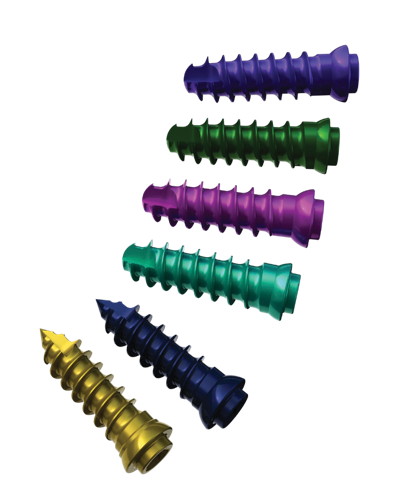
 Key Features
 Key Features
 Key Features