| Purpose of cervical fusion |
Removal of a painful or compressive disc, followed by stabilization of adjacent vertebrae |
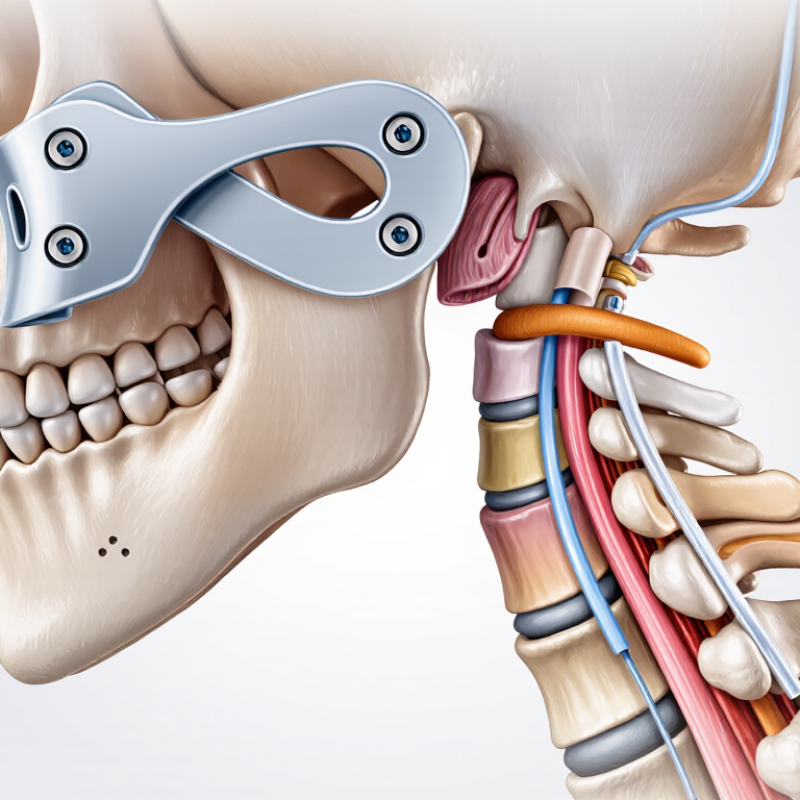
The procedure is intended to relieve nerve-root or spinal-cord compression and create a solid fusion between vertebrae. |
Common indications include cervical radiculopathy, myelopathy, instability, deformity, fracture, or degenerative disc disease that has not improved with appropriate nonsurgical treatment. |
| Common surgical approach |
Anterior cervical discectomy and fusion is frequently used for one- or more-level disease; posterior fusion may be selected for different patterns of compression or instability |
The approach depends on the location of compression, number of affected levels, spinal alignment, and the surgeon’s assessment. |
Outcomes and complication risks should not be directly compared across procedures without considering these differences. |
| Neck and arm pain improvement |
Approximately 70–95% of appropriately selected patients report meaningful improvement |
Arm pain caused by nerve compression often improves more predictably than nonspecific neck pain. |
Results vary according to diagnosis, duration of symptoms, smoking status, psychological health, worker demands, and the presence of spinal-cord damage. |
| Neurologic improvement in myelopathy |
Approximately 60–90% show improvement or stabilization |
Surgery commonly prevents further deterioration and may improve walking, hand function, balance, or abnormal reflexes. |
Long-standing spinal-cord injury may be only partly reversible. Earlier treatment is often associated with a better chance of recovery. |
| Radiographic fusion success |
About 90–99% for many single-level anterior procedures; approximately 70–95% for multilevel procedures |
A successful fusion means that bone has formed across the treated level or levels. |
Fusion rates depend on the number of levels, bone quality, surgical technique, graft material, smoking, diabetes, and medication factors. |
| Early postoperative pain |
Usually greatest during the first several days and improves substantially over 2–6 weeks |
Incisional neck pain, muscle tightness, shoulder discomfort, and temporary swallowing discomfort are common. |
New or worsening weakness, severe difficulty swallowing, breathing problems, fever, or loss of bladder or bowel control requires urgent medical evaluation. |
| Return to desk-based work |
Approximately 2–6 weeks |
Many patients can resume light computer or administrative work once pain is controlled and medications do not impair alertness. |
The timing depends on fatigue, neck mobility, commuting, work ergonomics, and whether complications occur. |
| Return to physically demanding work |
Approximately 6–12 weeks or longer |
Lifting, repetitive neck movement, pushing, pulling, and vibration may require a longer restriction period. |
Work clearance should be individualized and should follow the operating surgeon’s restrictions. |
| Time to biological fusion |
Often 3–6 months; some multilevel fusions require 6–12 months |
Symptoms may improve before the fusion is fully visible on imaging. |
Follow-up imaging is used to assess alignment, hardware position, and progression toward fusion. |
| Postoperative dysphagia |
Approximately 5–20% during the early recovery period |
Temporary difficulty swallowing is one of the most frequently reported complications after anterior cervical surgery. |
The reported rate varies with the definition used, the timing of assessment, number of surgical levels, reoperation status, and surgical technique. |
| Persistent dysphagia |
Approximately 2–5% beyond 6–12 months in many series |
Most early swallowing symptoms improve with time, but a smaller proportion persists. |
Persistent or worsening swallowing difficulty should be assessed, particularly if accompanied by coughing, aspiration, weight loss, or breathing symptoms. |
| Pseudarthrosis or nonunion |
About 1–5% for many single-level procedures; approximately 5–20% for multilevel procedures |
Pseudarthrosis means that the intended bony fusion has not become solid. |
Risk increases with more treated levels, smoking, poor bone quality, diabetes, and certain medication or nutritional factors. Some patients have no symptoms; others require additional treatment. |
| Adjacent-segment degeneration or disease |
Symptomatic adjacent-level disease has been reported at roughly 2–3% per year in long-term observational data |
Levels next to the fusion may later develop radiographic degeneration or new symptoms. |
This may reflect the natural history of cervical degeneration as well as altered biomechanics. Radiographic changes do not always cause symptoms or require surgery. |
| Reoperation after cervical fusion |
Approximately 5–15% over several years, depending on follow-up duration and procedure type |
Additional surgery may be needed for nonunion, recurrent or adjacent-level compression, hardware problems, infection, or persistent symptoms. |
Longer follow-up and multilevel surgery generally increase the observed cumulative reoperation rate. |
| Nerve-root or spinal-cord injury |
Usually well below 1% in modern elective surgical series |
New neurologic injury is uncommon but potentially serious. |
Risk depends on the underlying disease, severity of compression, surgical approach, anatomy, and emergency versus elective status. |
| Infection |
Approximately 0.5–2% |
Most infections are uncommon after elective cervical fusion but may require antibiotics, drainage, or further surgery. |
Diabetes, obesity, smoking, immune suppression, prolonged surgery, and revision procedures may increase risk. |
| Blood clot or pulmonary embolism |
Generally below 1% after elective cervical fusion |
Venous thromboembolism is uncommon but can be life-threatening. |
Risk is influenced by age, cancer, immobility, prior clotting events, obesity, and other medical conditions. |
| Overall interpretation of outcomes |
Most appropriately selected patients experience improvement in arm pain, neurologic function, or both |
Cervical fusion is generally effective for nerve compression and spinal-cord compression when the diagnosis and surgical indication are appropriate. |
Clinical improvement, radiographic fusion, and complete elimination of pain are different outcomes; a solid fusion does not guarantee that every symptom will resolve. |






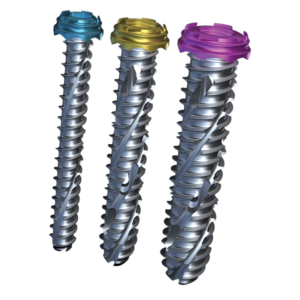

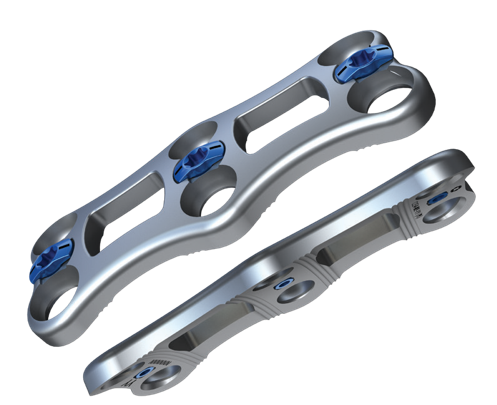
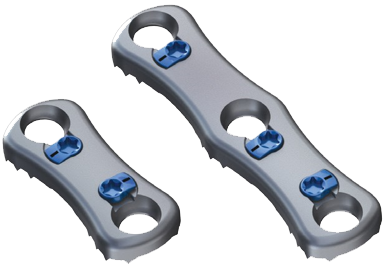
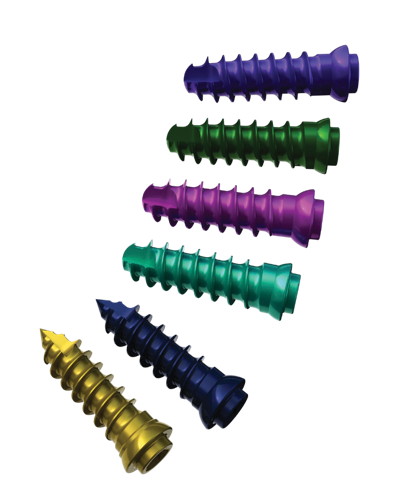
 System Features
 Key Features
 Key Features
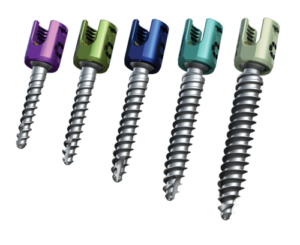 Key Features
 Key Features
 Key Features
 Key Features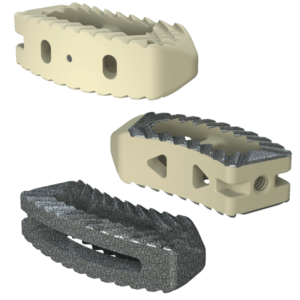
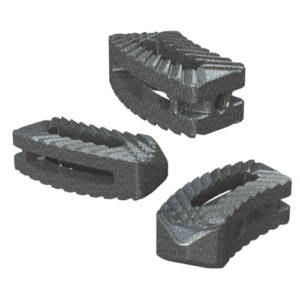
 Key Features
 Key Features
 Key Features