| IEC 60601-1 Basic Safety | Typically relevant | Current IEC 60601-1 test report, CB Test Certificate where available, model number, rated input, electrical diagrams, and applicable national deviations. | Confirm that the tested model, electrical configuration, power supply, and accessories match the proposed production unit. Check the issuing laboratory or certification body and report date. | IEC 60601-1 addresses basic safety and essential performance for medical electrical equipment. A test report is not, by itself, proof of CE marking, FDA clearance, or clinical effectiveness. |
| IEC 60601-1-2 EMC | Typically relevant | EMC test report covering emissions, immunity, electrostatic discharge, radiated fields, and electrical fast transients for the final configuration. | Check whether the report identifies the same model and operating modes as the supplied pod. Review test standards and laboratory accreditation details. | Electrical safety and electromagnetic compatibility are separate conformity areas. Passing IEC 60601-1 does not automatically demonstrate EMC compliance. |
| Risk Management | Expected for medical devices | ISO 14971 risk-management documentation, hazard analysis, risk-control summary, and evidence addressing overheating, optical exposure, electrical shock, fire, and mechanical hazards. | Request a controlled summary rather than confidential design files. Confirm that identified risks correspond to the actual pod, firmware, sensors, and treatment accessories. | A credible supplier should be able to explain residual risks, warnings, contraindications, maintenance requirements, and emergency shut-off controls. |
| CE Marking | Depends on intended use | EU Declaration of Conformity, applicable EU legislation, product classification rationale, technical documentation index, and notified-body certificate when required. | Check the exact legal manufacturer, product model, intended purpose, applicable regulation, and validity of any notified-body certificate. Do not accept a generic “CE certificate” alone. | CE marking is a manufacturer’s conformity declaration under applicable EU legislation. It is not a universal quality mark and does not automatically prove compliance with every EU requirement. |
| EU MDR Medical-Device Status | If marketed for medical purpose in the EU | Intended-purpose statement, classification rationale under Regulation (EU) 2017/745, clinical evaluation summary, post-market surveillance plan, and applicable conformity-assessment documents. | Compare the marketing claims, instructions for use, labeling, and website statements with the declared intended purpose and classification. | Claims to treat or alleviate a disease or medical condition may affect medical-device classification and conformity obligations. Wellness-only claims may follow a different regulatory pathway. |
| RoHS Compliance | Relevant for EU electrical equipment | EU RoHS Declaration of Conformity, restricted-substance test results, material declarations, supplier declarations, and technical documentation covering cables, PCBs, LEDs, plastics, and power supplies. | Confirm the applicable RoHS version, product scope, documented exemptions, and whether testing covers the complete supplied configuration rather than only one component. | RoHS restricts specified hazardous substances in electrical and electronic equipment. RoHS compliance is separate from medical-device safety and does not establish therapeutic performance. |
| FDA 510(k) Clearance | Only when a U.S. device claim requires it | FDA 510(k) number, clearance letter, cleared product code, indications for use, predicate-device information, and the exact trade or model names covered. | Search the official FDA 510(k) database and compare the legal manufacturer, device name, product code, indications, and model configuration with the offered product. | A valid 510(k) clearance applies to the cleared device and indications. A supplier’s FDA registration or device listing is not the same as FDA clearance. |
| FDA Establishment Registration and Listing | Required for applicable U.S. activities | FDA establishment registration details, device listing information, U.S. agent details where applicable, and confirmation of the responsible legal manufacturer. | Verify records through FDA’s public databases and ensure that registration/listing information is current and linked to the correct product and legal entity. | Registration and listing indicate that an establishment or device has been entered into FDA records; they do not mean that FDA has approved or cleared the product. |
| Optical Output and Photobiological Safety | Important for light-emitting equipment | Measured irradiance, wavelength range, treatment distance, exposure-time limits, uniformity data, LED/bin information, and IEC 62471 photobiological safety assessment where applicable. | Require measurements from the final pod configuration at the user’s treatment distance. Check whether the reported values are measured or merely nominal LED specifications. | “Red light” and “near-infrared” are broad descriptions. Safety and performance depend on wavelength, irradiance, exposure time, distance, coverage, and thermal conditions. |
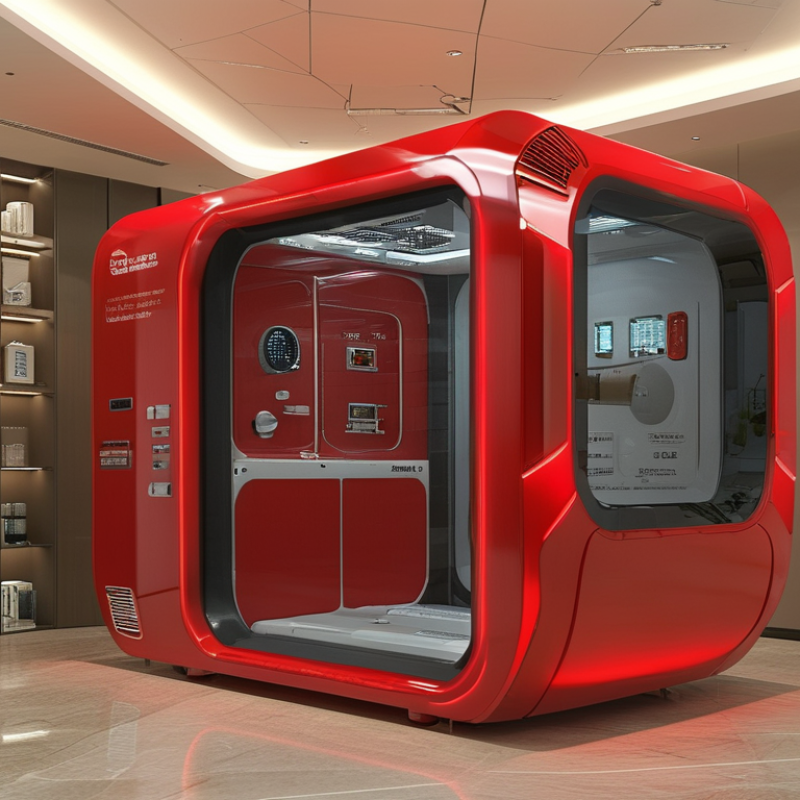
| Thermal and User Protection Controls | Expected for enclosed pods | Temperature limits, over-temperature protection, ventilation design, emergency stop function, door-release mechanism, timer controls, fault alarms, and maintenance instructions. | Review validation records and conduct a pre-shipment functional inspection using a production-equivalent unit. | Controls should remain effective during foreseeable misuse, blocked ventilation, sensor failure, power interruption, and repeated treatment cycles. |
| Quality Management System | Strongly recommended | ISO 13485 certificate, scope of certification, manufacturing-site address, calibration records, incoming inspection procedures, traceability process, and change-control procedure. | Confirm that the certificate covers the actual manufacturing site and relevant device activities. Review audit dates and certificate validity with the issuing body when possible. | ISO 13485 supports controlled medical-device production but does not prove that a particular pod is safe, effective, CE-marked, or FDA-cleared. |
| Technical File and Change Control | Essential for repeat orders | Controlled bill of materials, approved drawings, software version, critical-component list, engineering-change-notification process, and re-testing policy after design changes. | Include model-specific change-notification obligations in the purchase contract and require approval before changes to LEDs, power supplies, controllers, sensors, or enclosure materials. | Compliance evidence can become invalid or less representative after undocumented changes. Traceability is especially important for private-label and OEM products. |
| Labeling and Instructions for Use | Required for safe use | English user manual, warnings, contraindications, eye-protection instructions, treatment parameters, cleaning guidance, service intervals, ratings label, and disposal information. | Compare the manual and label with the tested configuration and intended market. Verify that claims do not exceed the applicable clearance or conformity documentation. | Incomplete or overly promotional labeling is a warning sign. Safety instructions should be clear, model-specific, and consistent across packaging, manual, and online materials. |
| Supply-Chain and Pre-Shipment Inspection | Recommended before payment | Production sample, serial-number format, inspection checklist, electrical safety test records, optical-output report, packaging specification, and approved golden sample. | Use an independent inspection or witnessed factory acceptance test. Record measured output, functions, accessories, labeling, and packaging against the purchase specification. | Compliance documents should be tied to the exact production model and shipment. A document-only review cannot verify manufacturing consistency or actual output. |




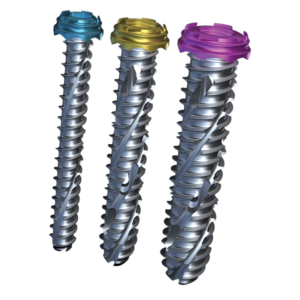

 System Features
 Key Features
 Key Features
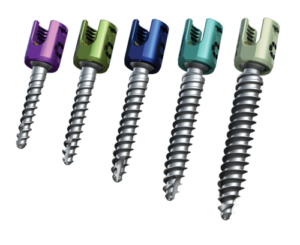 Key Features
 Key Features
 Key Features
 Key Features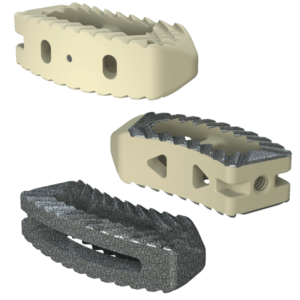
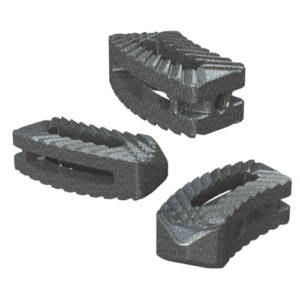
 Key Features
 Key Features
 Key Features