| Peptide Identity | Confirm that the delivered material is the intended amino-acid sequence and chemical form. | LC–MS or HRMS for molecular mass; sequence confirmation by MS/MS when appropriate. | Measured mass is consistent with the theoretical molecular weight after accounting for stated modifications, salts, or counterions. | Lot-specific certificate of analysis, test method, result, specification, and analyst or reviewer approval. | High if absent |
| Chemical Purity | Determine the proportion of the target peptide relative to deletion sequences, truncated products, oxidation products, and other impurities. | Reverse-phase HPLC or UPLC with a defined integration and reporting procedure. | A numerical purity result is reported for every lot; the specification is appropriate for the intended research use and is not presented as a universal medical standard. | Chromatogram, column and detection details, integration rules, specification, and lot number. | Medium–High |
| Residual Solvents and Reagents | Assess solvent residues, coupling reagents, scavengers, and process-related chemicals that may affect experiments. | Validated gas chromatography or another fit-for-purpose analytical method, when relevant to the synthesis and use case. | Results are reported against predefined limits or the supplier clearly explains why a test is not applicable. | Residual-solvent statement or test report, manufacturing route summary, and deviation disclosure. | Medium |
| Water Content | Control moisture because water can change the apparent peptide concentration, stability, and mass balance. | Karl Fischer titration or another validated moisture method. | The result is stated separately from peptide purity, with a clearly defined storage and testing condition. | Water-content result, sample-conditioning details, and calculation basis for reported content. | Medium |
| Endotoxin Control | Establish whether bacterial endotoxin could interfere with cell-based, animal, or other sensitive research. | LAL or recombinant Factor C testing, including dilution, inhibition, enhancement, and recovery controls. | A quantitative result is available when endotoxin-sensitive work is planned; the limit is defined by the application rather than assumed. | Endotoxin report, assay platform, units, sample dilution, acceptance limit, and interference controls. | High for biological assays |
| Sterility and Bioburden | Clarify whether the material is supplied as sterile, low-bioburden, or non-sterile research material. | Sterility testing or bioburden testing using a documented, fit-for-purpose procedure where required. | The label and certificate use consistent terminology and do not imply sterility without supporting test evidence. | Sterility or bioburden report, packaging description, aseptic-handling statement, and storage conditions. | High when sterility matters |
| Aggregation and Physical Form | Check for visible particles, insoluble material, aggregation, or formulation effects that may influence dosing and assay performance. | Visual inspection, solubility assessment, and size-exclusion chromatography or another suitable method when aggregation is a known concern. | Physical appearance, reconstitution instructions, and aggregation-related observations are recorded and consistent between lots. | Appearance specification, reconstitution protocol, solubility data, and handling precautions. | Medium |
| Documentation Quality | Determine whether records are complete, traceable, current, and specific to the delivered lot. | Review a lot-specific certificate of analysis rather than a generic product specification sheet. | The document includes product code, lot number, manufacture or retest date, test dates, methods, results, specifications, and approval status. | Certificate of analysis, safety data sheet, change-control policy, and record-retention statement. | High if incomplete |
| Batch-to-Batch Consistency | Evaluate whether repeated lots show stable identity, purity, appearance, concentration basis, and impurity profiles. | Compare multiple lot certificates and, for critical projects, perform independent confirmation testing on more than one lot. | No unexplained shifts in reported results; any specification or process change is documented and communicated before supply. | Historical lot data, statistical trend summary, out-of-specification procedure, and change-notification process. | Medium–High |
| Stability and Logistics | Protect the peptide from temperature, moisture, light, and repeated freeze–thaw exposure during storage and shipment. | Review real-time or accelerated stability information when available; verify shipping temperature and packaging controls. | Storage conditions, shelf life or retest period, shipment requirements, and excursion handling are clearly stated. | Stability summary, shipping record, temperature-control evidence, packaging specification, and retest policy. | Medium |
| Independent Verification | Decide whether supplier data should be confirmed before high-value or high-sensitivity experiments. | Use an independent laboratory or internal quality unit for identity, purity, endotoxin, or other critical attributes as justified by risk. | Verification scope is documented, test results are attributable to the received lot, and discrepancies trigger investigation. | Sampling plan, chain-of-custody record, independent test report, and discrepancy-resolution record. | Project-dependent |






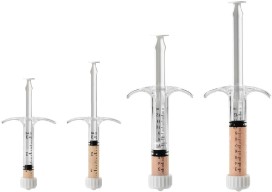
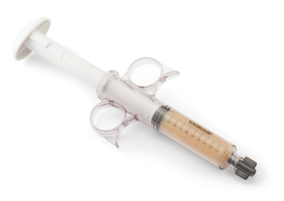
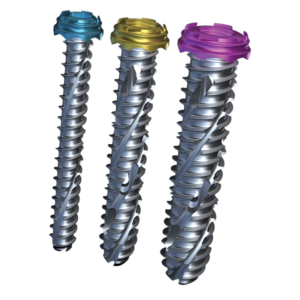

 System Features
 Key Features
 Key Features
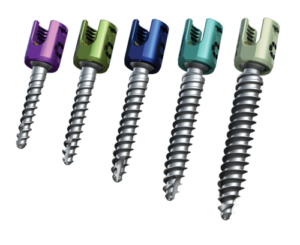 Key Features
 Key Features
 Key Features
 Key Features
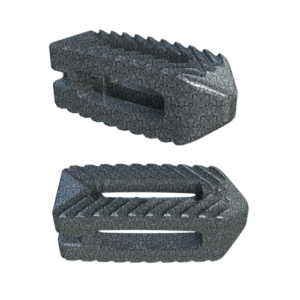
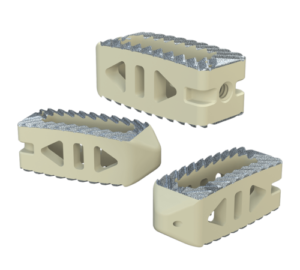



 Key Features
 Key Features
 Key Features