Choosing an interbody fusion implant
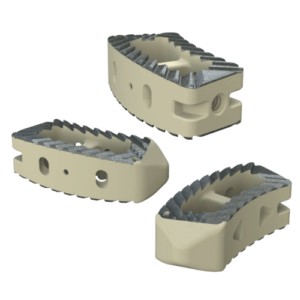
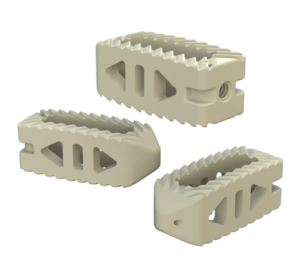
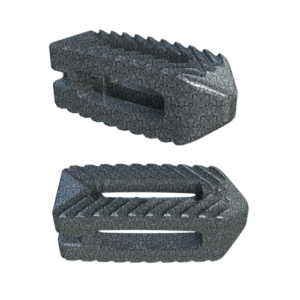
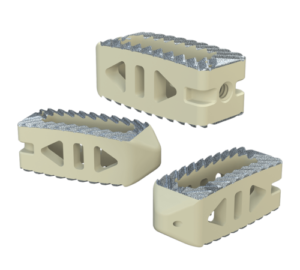
requires more than comparing sizes. Compatibility starts with the patient’s anatomy, diagnosis, bone quality, and planned surgical approach. The implant should match the prepared disc space and work with the fixation system selected for that level. Surgeons should review CT or MRI findings, standing radiographs, and relevant medical history before making a final choice. Material sensitivities, previous operations, and imaging requirements also deserve attention. Small mismatches can complicate placement. That risk is easy to underestimate.
Surgical planning
turns compatibility into a practical sequence. The team should confirm implant dimensions, insertion tools, trial sizes, positioning targets, and backup options before incision. A detailed plan can reduce avoidable delays, but it cannot predict every finding. Scar tissue, poor visualization, or weaker bone may require an adjustment. No checklist catches everything. The surgeon should explain these possibilities, expected benefits, limitations, and alternatives in understandable language. Nurses and technicians also need the same plan. Communication gaps matter.
Follow-up needs
should influence implant selection before surgery, not afterward. Patients may need scheduled examinations and radiographs to assess alignment, subsidence, hardware position, and signs of fusion. The schedule depends on the procedure, symptoms, and clinical judgment. New weakness, fever, wound drainage, or worsening pain requires prompt medical contact. A follow-up plan should identify who reviews images and how concerns are handled. This is often overlooked. Reliable records help compare healing over time. If progress is uncertain, the care team may reconsider activity limits, additional imaging, or further evaluation.

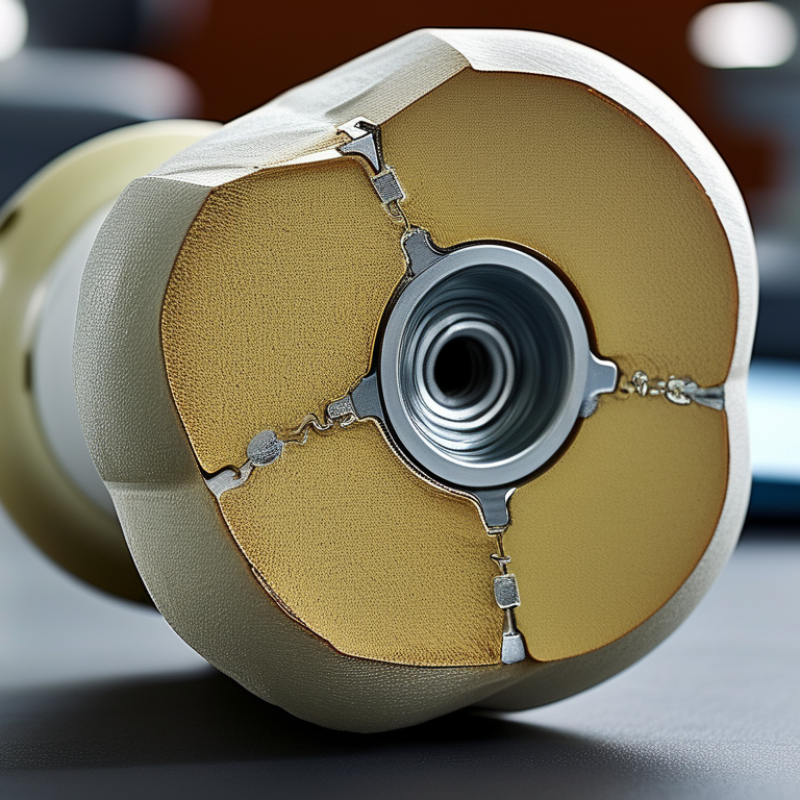









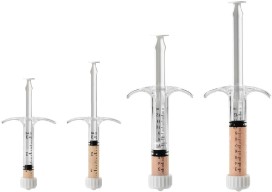
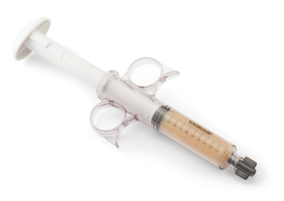
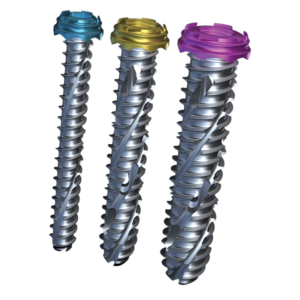

 System Features
 Key Features
 Key Features
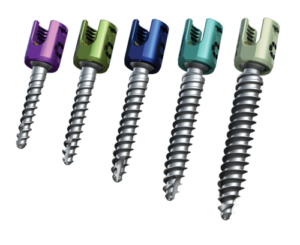 Key Features
 Key Features
 Key Features
 Key Features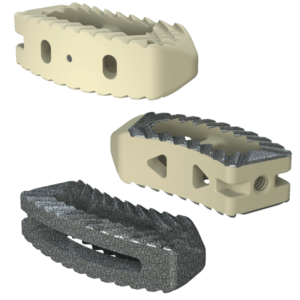
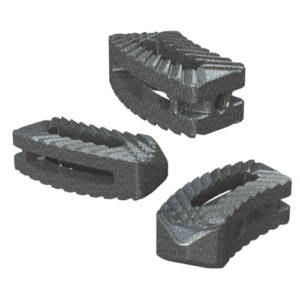
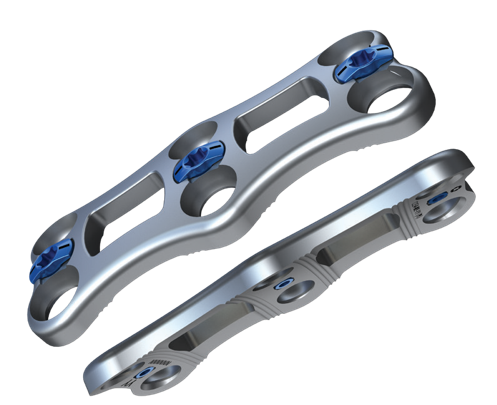
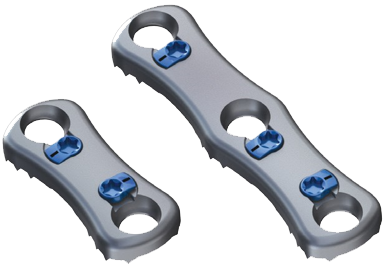
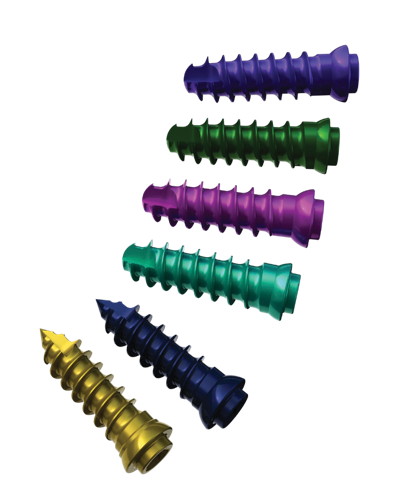
 Key Features
 Key Features
 Key Features