Top 10 Tips for Choosing the Right Orthopedic Surgeon for Your Needs?

Choosing the right orthopedic surgeon is crucial. Many people undergo orthopedic procedures each year. According to the American Academy of Orthopaedic Surgeons, over 28 million orthopedic surgeries are performed annually in the U.S.

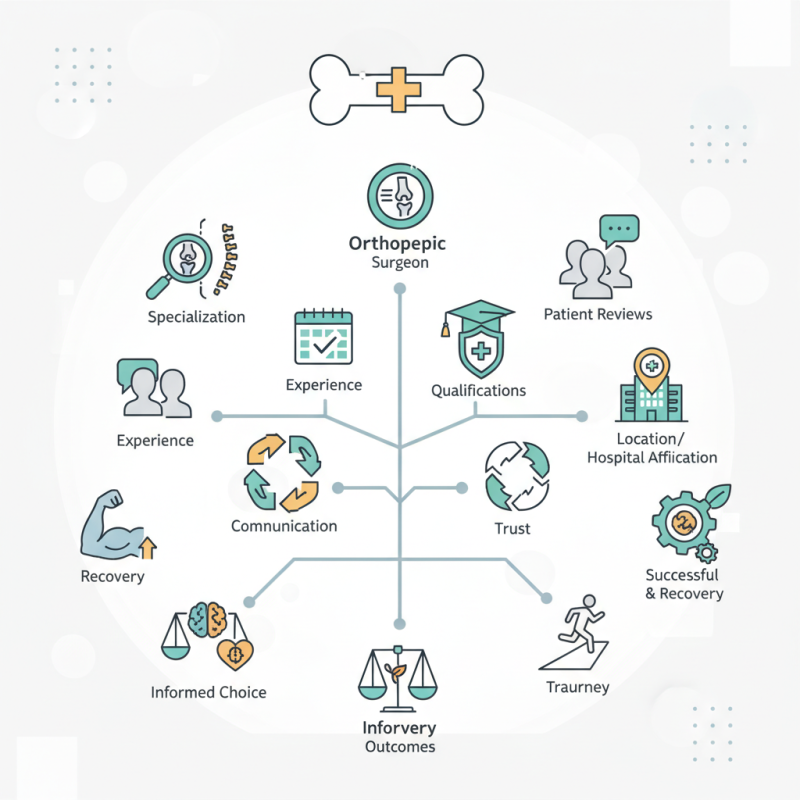
Selecting an orthopedic surgeon can feel overwhelming. Patients need to consider factors like specialization, experience, and patient reviews. Not all surgeons have the same qualifications or areas of expertise. Research shows that the right choice can significantly impact recovery outcomes.

Finding a well-suited orthopedic surgeon means examining more than just credentials. Location and hospital affiliation matter too. A surgeon’s approach and communication style can influence your comfort and trust. Patients often overlook these critical aspects. Hence, making an informed choice is vital for successful treatment and recovery.

Top 10 Tips for Choosing the Right Orthopedic Surgeon for Your Needs?

Understanding Your Needs: Assessing Your Orthopedic Conditions

Choosing an orthopedic surgeon begins with understanding your unique needs. Evaluating your specific orthopedic conditions is crucial. Do you have joint pain, a sports injury, or arthritis? Each condition requires a different approach and expertise. Write down your symptoms. This will help you communicate clearly with potential surgeons.

Tip: Research the surgeon's experience with your specific condition. Not all orthopedic surgeons have the same expertise. Some specialize in joint replacements while others focus on sports injuries. Look for reviews or ask for referrals. This can lead to meaningful insights about their skills.

Consider a surgeon's approach to treatment. Do they focus on surgery first or explore non-invasive options? A surgeon who prioritizes conservative treatments might be beneficial. It’s essential to feel comfortable voicing your concerns. If you sense a rush to surgery, think twice. Trust your instincts during this process. The right surgeon should respect your opinions and provide comprehensive options tailored to you.

Researching Credentials: Education and Board Certifications of Surgeons

When seeking an orthopedic surgeon, it is crucial to prioritize their credentials. Start with the surgeon's education. A strong educational background often hints at their knowledge and skills. Look for degree programs from reputable medical schools. Additionally, consider where they completed their residency. A well-rounded training experience is essential in this specialized field.

Board certifications are another vital factor. These certifications indicate that the surgeon has met specific standards set by professional organizations. A board-certified orthopedic surgeon demonstrates commitment and expertise. However, some skilled surgeons may not hold these certifications. This can raise questions about their training and experience. Don't hesitate to dig deeper into their professional history.

Researching a surgeon's credentials can sometimes feel overwhelming. Suggestions from friends and family may seem easier. However, taking the time to explore educational backgrounds and certifications can significantly impact your outcome. Instruments like online databases or medical review platforms can help clarify a surgeon's qualifications. A well-informed choice can pave the way for successful treatment and recovery.

Evaluating Experience: Importance of Specialization in Orthopedic Surgery

Choosing the right orthopedic surgeon is crucial for effective treatment. Specialization plays a key role in the experience you receive. Research shows that surgeons who specialize in specific areas, such as sports injuries or joint replacement, typically achieve better outcomes. For instance, a study published in the Journal of Bone and Joint Surgery found that patients operated on by specialized surgeons had a 30% higher success rate.

Experience also matters. Surgeons with a high volume of procedures in their specialty often have refined skills. Data indicates that surgeons performing over 100 similar surgeries annually yield better patient satisfaction. Yet, not all patients consider this when seeking advice. Many might opt for a surgeon based solely on recommendations without verifying their specialization.

Communication is another critical aspect. A specialized surgeon should explain procedures clearly. Yet, some may rush through consultations. This can leave patients feeling uncertain about their options. It's essential to ask questions and ensure you understand the proposed treatment plan. Share your concerns openly for a clearer dialogue. Making informed choices requires reflection on both the surgeon's qualifications and your comfort level.

Top 10 Tips for Choosing the Right Orthopedic Surgeon for Your Needs

Tip Description Importance
1. Check Credentials Ensure the surgeon is board certified in orthopedic surgery. Establishes trust and safety.
2. Experience Matters Select a surgeon with substantial experience in your specific condition. Increases chances of successful outcomes.
3. Specialization Consider a surgeon who specializes in the type of surgery you need. Specialists have advanced skills and knowledge.
4. Patient Reviews Look for reviews and testimonials from previous patients. Provides insights on the surgeon’s performance.
5. Communication Skills Assess how well the surgeon communicates and listens to your concerns. Effective communication enhances patient satisfaction.
6. Hospital Affiliation Research the quality of the hospital where the surgeon operates. A reputable hospital can impact recovery and care quality.
7. Ask About Techniques Inquire about surgical techniques and technologies used. Modern techniques can lead to quicker recovery.
8. Understand Risks Discuss potential risks and complications associated with the surgery. Informed decisions lead to better satisfaction.
9. Second Opinions Don’t hesitate to seek a second opinion before making a decision. Helps confirm diagnosis and recommended treatment.
10. Follow-Up Care Ensure the surgeon provides a clear aftercare plan. Proper aftercare is crucial for successful recovery.

Reviewing Patient Feedback: The Role of Reviews and Testimonials

Top 10 Tips for Choosing the Right Orthopedic Surgeon for Your Needs?

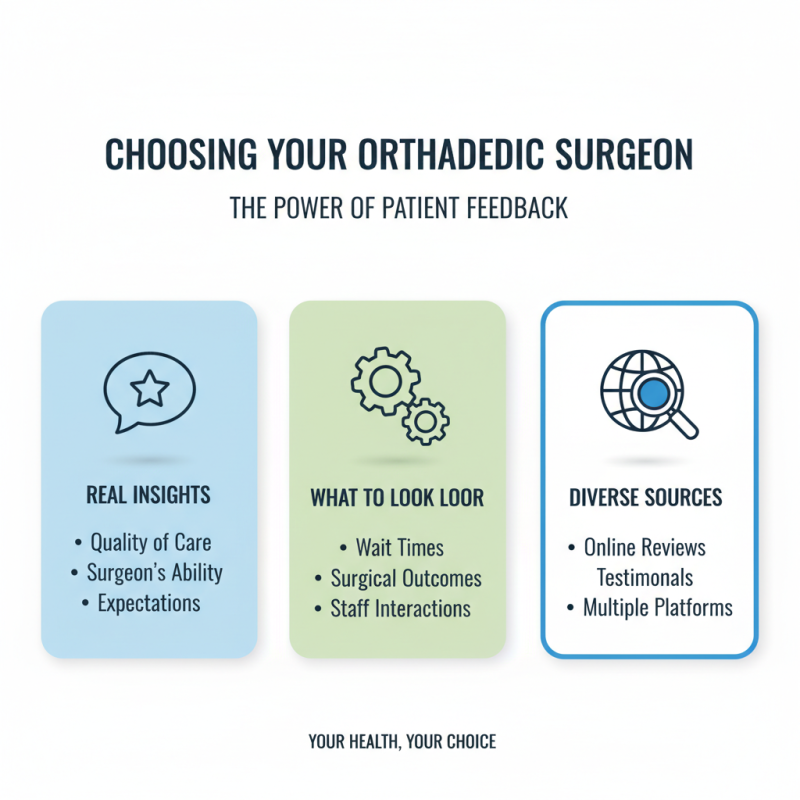
Patient feedback plays a crucial role in choosing an orthopedic surgeon. Reviews and testimonials provide real insights into a surgeon's abilities. They can reveal the quality of care you might expect. Consider checking various sources for diverse opinions. Online reviews often detail specific patient experiences. Look for comments on wait times, surgical outcomes, and staff interactions.

However, not all reviews are always positive or reliable. Some may be overly generous, while others might be unfairly critical. Be mindful of patterns in the feedback. If multiple reviews mention a similar issue, take note. A trend can indicate a deeper problem. Additionally, testimonials on practice websites may not represent the full picture.

Balancing positive and negative reviews can be challenging. A few bad reviews among many good ones might signal an isolated issue. Personal connections can also sway opinions. Always trust your instincts. Information gleaned from other patients can guide you, but it should not be your only resource.

Consultation Considerations: Questions to Ask During Your Initial Visit

When visiting an orthopedic surgeon, preparation is crucial.

Start by asking about their experience with your specific condition. For instance, if you have a knee issue, inquire how many similar surgeries they perform annually. Data shows that surgeons who perform over 50 procedures a year often achieve better outcomes. Consider whether board certification is current. A certified doctor is more likely to stay updated with recent advancements.

Additionally, discuss the surgeon's approach to treatment plans. Ask how they decide between surgical and non-surgical options. Many patients appreciate a conservative approach before any invasive procedure. Inquire about the expected recovery process. Realistic timelines and rehabilitation plans provide comfort. Some patients find it hard to envision the post-surgery phase, making clear communication essential.

Your gut feelings can also guide you. If something feels off about the consultation, trust it. The doctor-patient relationship varies. Some may feel rushed, while others may not answer questions clearly. Pay attention to their willingness to listen. A surgeon should foster transparency and empathy. Small lapses in communication may lead to uncertainty about the procedure. A thoughtful reflection on these interactions can lead to better choices.