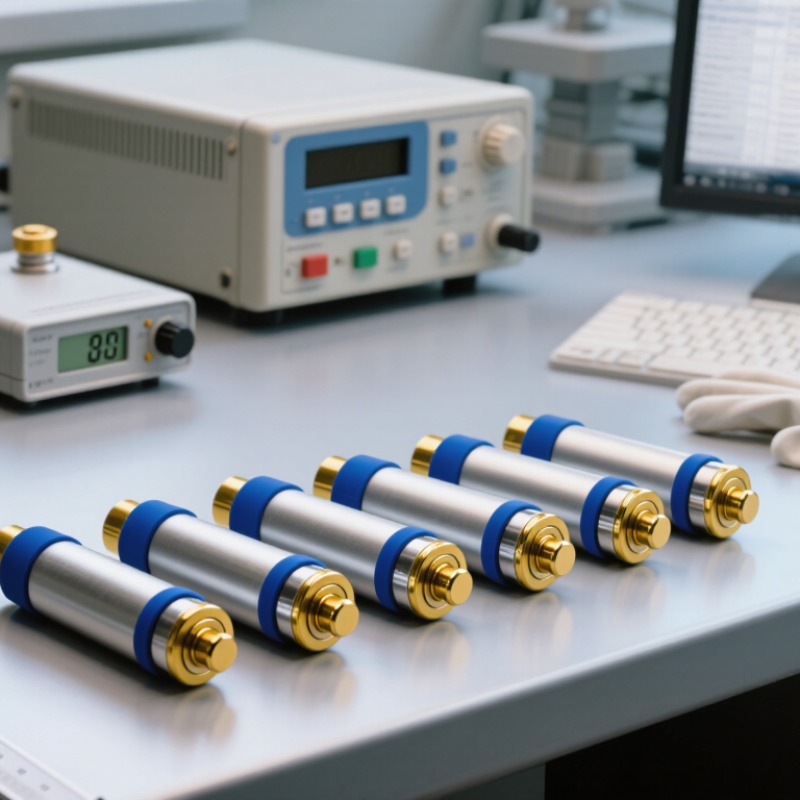
| Lithium-ion NMC / NCA | 3.6–3.7 V per cell | 4.20 V per cell | Approximately 150–250 Wh/kg | Medium to high; dependent on cell design and temperature | Moderate; requires protection against overcharge, over-discharge, short circuit, and overheating | Compact rechargeable devices requiring a balance between capacity, size, and power output | Confirm the continuous discharge rating, cell matching, protection circuit settings, charging profile, and mechanical retention. Avoid relying only on peak discharge figures. | Recommended for correctly engineered rechargeable devices |
| Lithium-ion INR / High-Power NMC | 3.6–3.7 V per cell | 4.20 V per cell | Approximately 150–230 Wh/kg | High; commonly selected for higher-current applications | Moderate; high-current use increases heat generation and requires careful thermal design | Higher-power devices with verified current limits, suitable wiring, and robust protection electronics | Match the battery's continuous current rating to the device's regulated power demand. Include temperature monitoring where appropriate and validate performance under worst-case conditions. | Recommended when high-current performance is genuinely required |
| Lithium-ion IMR / Lithium Manganese Oxide | Approximately 3.7 V per cell | 4.20 V per cell | Approximately 100–150 Wh/kg | High; generally lower capacity than many NMC-based cells | Generally better thermal stability than higher-energy nickel-rich chemistries | Devices prioritizing power delivery and thermal robustness over maximum operating time | Verify the actual continuous discharge rating, operating temperature range, cell dimensions, and protection requirements. Do not mix cells with different ages or specifications. | Suitable for power-focused designs after validation |
| Lithium-ion LCO / Lithium Cobalt Oxide | Approximately 3.6–3.7 V per cell | 4.20 V per cell | Approximately 150–240 Wh/kg | Low to medium compared with high-power lithium-ion chemistries | Lower thermal stability; more sensitive to abuse and elevated temperature | Low-current applications where compact size and energy density are more important than peak output | Use only with appropriate protection and conservative current limits. It is a poor match for devices that demand sustained high current. | Conditional; generally unsuitable for high-power designs |
| Lithium Iron Phosphate (LFP) | Approximately 3.2–3.3 V per cell | Approximately 3.60–3.65 V per cell | Approximately 90–160 Wh/kg | Medium to high, depending on the cell format | High thermal and chemical stability; lower risk of thermal runaway than many conventional lithium-ion chemistries | Applications where safety, cycle life, and stability are prioritized over compact size | The lower voltage requires a chemistry-specific charger and a compatible device cutoff. Never charge an LFP cell using a standard 4.20 V lithium-ion profile. | Suitable only when the device is specifically designed for LFP voltage limits |
| Lithium Polymer, Pouch Format | Approximately 3.7 V per cell | 4.20 V per cell | Approximately 130–250 Wh/kg | Ranges from low to very high according to the electrode design | Moderate; pouch cells require protection from puncture, compression, swelling, and overheating | Thin or custom-shaped devices with an integrated battery compartment | Specify pouch dimensions, tab configuration, protection circuit, swelling tolerance, pack compression, and enclosure clearance. Require controlled assembly and transport packaging. | Recommended for integrated devices with qualified pack engineering |
| Primary Lithium Coin or Cylindrical Cell | Approximately 3.0 V per cell | Not rechargeable | Approximately 200–700 Wh/kg, depending on chemistry and format | Usually low to medium; not intended for repeated high-current pulses unless specifically rated | Good storage stability, but unsafe if subjected to recharge attempts or short circuits | Low-power, single-use electronics that are explicitly designed for non-rechargeable cells | Do not install in a rechargeable device. The product must prevent charging, reverse insertion, overheating, and accidental short circuit. Confirm shipping and disposal requirements. | Not suitable for rechargeable vape devices |




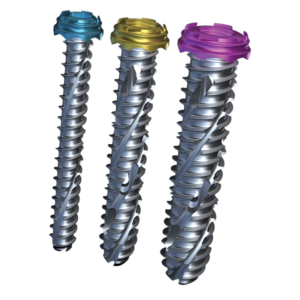

 System Features
 Key Features
 Key Features
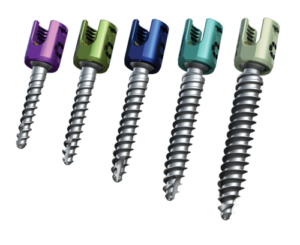 Key Features
 Key Features
 Key Features
 Key Features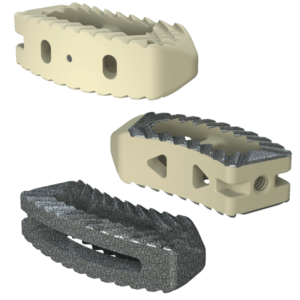
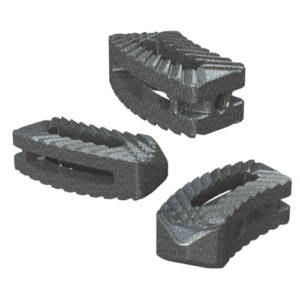
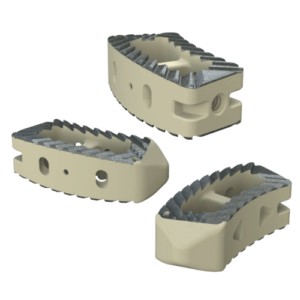
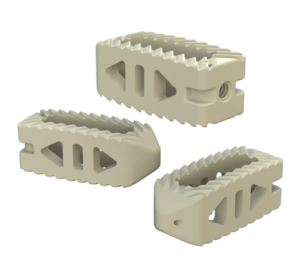
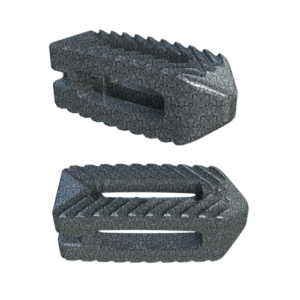
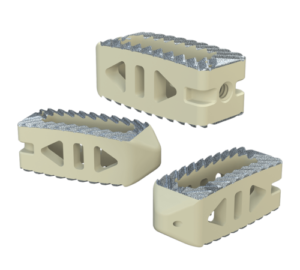
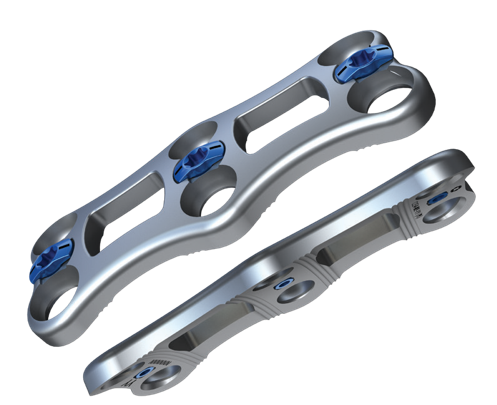
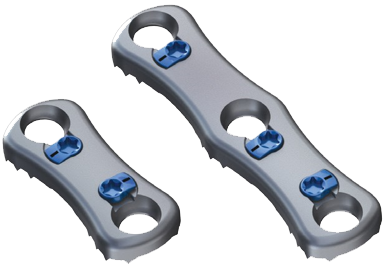
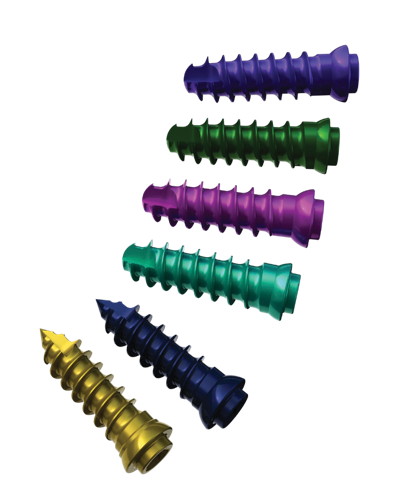
 Key Features
 Key Features
 Key Features