| 1 | Understand the Equipment | Confirm that the product is an emergency eyewash station designed to flush hazardous substances from the eyes immediately after exposure. | A plumbed or self-contained unit should deliver flushing fluid to both eyes at the same time without requiring the user to hold the controls open. | ANSI/ISEA Z358.1; EN 15154-2 |
| 2 | Place It Within Fast Reach | Select an installation location that workers can reach quickly without passing through doors, obstacles, or additional hazards. | Many workplace safety programs use a maximum travel time of approximately 10 seconds, with the unit on the same floor and in an unobstructed path. | OSHA 29 CFR 1910.151(c); ANSI/ISEA Z358.1 |
| 3 | Check Flushing Duration | Verify that the station can provide a continuous supply long enough for the chemicals handled at the site. | A commonly specified emergency eyewash performance is a minimum continuous flushing period of 15 minutes. Chemical risk assessments may require additional controls. | ANSI/ISEA Z358.1; local risk assessment |
| 4 | Verify Flow and Spray Pattern | Ask for test results or technical documentation showing that the spray is gentle, stable, and sufficient to flush both eyes. | ANSI/ISEA Z358.1 specifies a minimum eyewash flow of 0.4 US gallons per minute, approximately 1.5 liters per minute, for the required duration. | ANSI/ISEA Z358.1 |
| 5 | Control Water Temperature | For plumbed systems, confirm that the facility can provide flushing fluid that is not dangerously hot or cold. | ANSI/ISEA Z358.1 commonly defines tepid flushing fluid as approximately 16–38°C (60–100°F). Extreme temperatures may discourage use or cause further injury. | ANSI/ISEA Z358.1 |
| 6 | Choose the Right Water Supply | Compare plumbed units with self-contained units according to site infrastructure, climate, maintenance resources, and local regulations. | Plumbed units need a reliable potable-water connection and suitable drainage. Self-contained units need approved flushing fluid, protected storage, and a documented replacement schedule. | ANSI/ISEA Z358.1; EN 15154 series |
| 7 | Make Activation Simple | Select a unit that an injured person can activate quickly, even with reduced vision, pain, or limited hand movement. | The actuator should be clearly visible, easy to operate, and capable of remaining open without continuous hand pressure. A protective cover should not delay activation. | ANSI/ISEA Z358.1 |
| 8 | Plan Routine Testing | Include inspection and activation tasks in the facility’s maintenance program before placing an order. | Plumbed emergency eyewash units are commonly activated weekly to verify operation, flow, cleanliness, and obstructions. A competent person should conduct a documented annual inspection. | ANSI/ISEA Z358.1; site safety procedures |
| 9 | Use Clear Identification | Ensure workers and visitors from different language backgrounds can identify the station immediately. | Install a highly visible safety sign, keep the area well lit, maintain unobstructed access, and use internationally recognizable emergency-equipment symbols where appropriate. | ISO 7010; local signage requirements |
| 10 | Match the Local Compliance Route | Before importing, identify the destination country’s workplace, plumbing, electrical, water-quality, and product documentation requirements. | Request installation instructions, material information, flow data, maintenance guidance, conformity documents, and spare-part availability. A voluntary standard does not automatically replace local law. | Destination-country regulations; ANSI/ISEA Z358.1; EN 15154 |




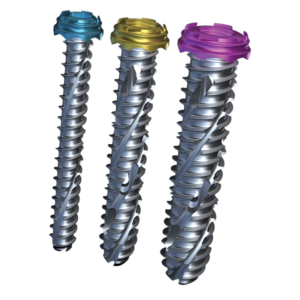

 System Features
 Key Features
 Key Features
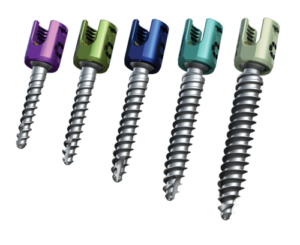 Key Features
 Key Features
 Key Features
 Key Features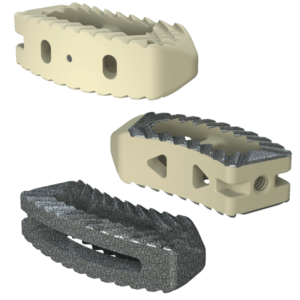
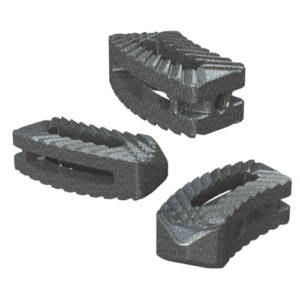
 Key Features
 Key Features
 Key Features