| Primary Purpose | Manages sweat and helps regulate comfort during exercise, travel, work, or outdoor activities. | Provides the first layer next to the skin, helping reduce friction, absorb or move moisture, and improve comfort under other garments. | Choose according to activity level, weather, layering needs, and the amount of skin contact required. |
| Typical Materials | Polyester or nylon are common for quick drying; elastane is often added for stretch. Merino wool is used when odor control and temperature comfort are priorities. | Cotton blends, modal, polyester, nylon, elastane, and merino wool are commonly used, depending on softness, stretch, and moisture requirements. | Synthetic fibers generally dry faster than cotton. Natural fibers may feel softer, but the care instructions and drying time should be checked carefully. |
| Moisture Management | Often uses knitted structures that spread sweat across a larger surface area so it can evaporate more quickly. | Keeps moisture away from sensitive areas or moves it into the next layer, depending on the fabric and garment construction. | For running or high-intensity training, select a lightweight synthetic or merino option rather than a heavy, slow-drying fabric. |
| Fit and Stretch | Usually available in regular, athletic, or close-fitting cuts. Moderate stretch supports movement without restricting the shoulders or chest. | Normally closer to the body to reduce bunching and chafing beneath shirts, sweaters, uniforms, or sportswear. | The garment should lie smoothly against the body without pinching, rolling, or creating pressure points. |
| Seams and Construction | Flat seams, seamless zones, and offset shoulder seams can reduce rubbing during repeated movement. | Bonded edges, flat seams, seamless knitting, and soft waistbands are used to improve next-to-skin comfort. | For long-distance activity, inspect the neckline, underarm, waistband, and inner-thigh areas for possible friction points. |
| Temperature Use | Lightweight versions suit warm conditions; medium-weight versions can work as a base layer in mild or cool weather. | Thin inner wear is useful for warm-weather comfort, while thermal versions add insulation in cold conditions. | A base layer should not be so thick or tight that it prevents the next layer from fitting comfortably. |
| Odor Control | Merino wool naturally resists odor better than many untreated synthetic fabrics. Some garments use separate odor-control treatments. | Odor performance depends on fiber type, sweat exposure, drying, and washing. Close skin contact makes regular laundering especially important. | Do not assume an odor-control finish lasts permanently; follow the care label and avoid storing the garment damp. |
| Best Activity Match | Running, cycling, hiking, gym training, team sports, commuting, and other activities with moderate or high movement. | Daily layering, travel, office wear, cold-weather layering, low-impact exercise, and situations requiring reduced friction. | For high sweat output, prioritize breathability and drying speed. For daily wear, prioritize softness, fit, and ease of washing. |
| Washing | Wash according to the care label, preferably with a mild detergent. Turn the garment inside out if it has prints or delicate surface treatments. | Wash regularly because it sits directly against the skin. Use a laundry bag for delicate or small garments when appropriate. | Avoid fabric softener on many technical fabrics because it may coat fibers and reduce moisture-spreading performance. |
| Drying | Air drying is generally gentle and helps protect stretch fibers, prints, and elastic components. | Air dry flat or hang as directed, particularly for wool or delicate stretch fabrics. | Avoid high heat unless the care label permits it, because excessive heat can shrink some fibers or weaken elastane. |
| Replacement Indicators | Replace when the fabric permanently loses shape, develops persistent odor after washing, or shows thinning, holes, or damaged seams. | Replace when elasticity, support, softness, or coverage has noticeably deteriorated, or when seams and waistbands cause discomfort. | Rotating several garments and allowing them to dry fully between uses can help reduce wear and extend service life. |




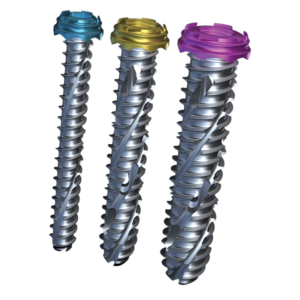

 System Features
 Key Features
 Key Features
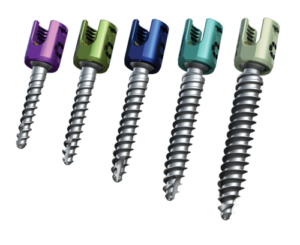 Key Features
 Key Features
 Key Features
 Key Features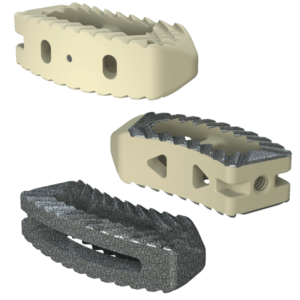
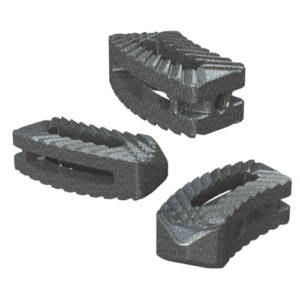
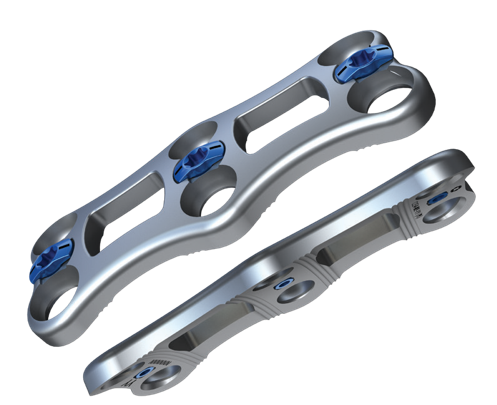
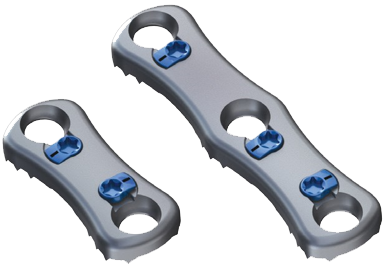
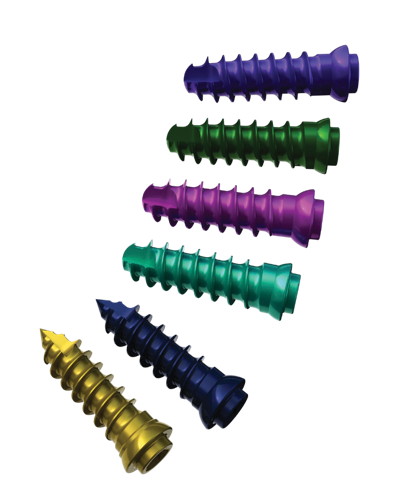
 Key Features
 Key Features
 Key Features