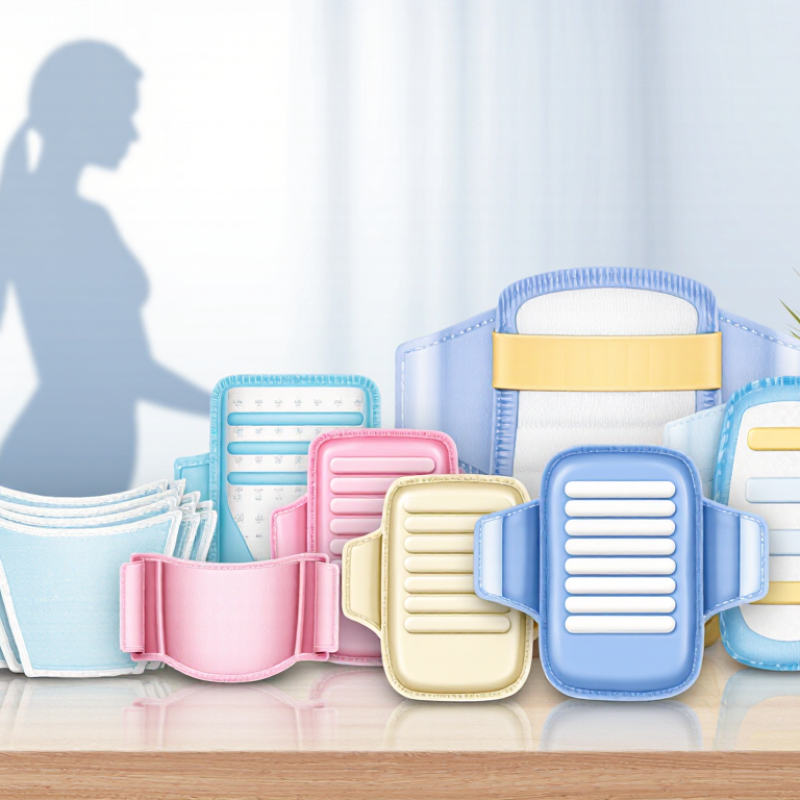
| Light-Absorbency Liner | Thin, discreet design intended for small amounts of urine leakage. | Occasional dribbling, light stress leakage, or protection against minor dampness. | Comfortable, easy to carry, and less noticeable under clothing. | May not provide enough protection for moderate or heavy leakage. |
| Moderate-Absorbency Pad | Thicker absorbent core with a wider coverage area than a liner. | Regular daytime leakage or moderate bladder control problems. | Balances discretion, absorbency, and freedom of movement. | Choose a larger or more absorbent design if leakage occurs around the edges. |
| Maximum-Absorbency Pad | High-capacity core and broader coverage for heavier urine leakage. | Frequent or heavier leakage when a full brief is not required. | Provides greater absorbency and longer protection between changes. | It may feel bulkier; fit and secure placement are especially important. |
| Male-Shaped Pad | Contoured shape designed to fit the male anatomy, often with adhesive strips. | Men with light to moderate urinary leakage. | Can improve comfort and reduce movement when correctly positioned in close-fitting underwear. | It is intended for urine leakage and may not be suitable for bowel incontinence. |
| Shaped or Contoured Pad | Curved design that follows the body and may include elastic edges or a wider rear section. | People who need improved body conformity during standing, walking, or sitting. | Can help reduce gaps and improve stability compared with a flat pad. | A correct size is necessary; an oversized pad can bunch or shift. |
| Overnight Pad | Designed with increased coverage and absorbency for extended periods of use. | Night-time leakage or people who need additional protection while resting. | May support longer protection and help reduce overnight bedding changes. | Change the pad after waking, or sooner if it becomes wet or uncomfortable. |
| Adhesive Backing | Adhesive strip or strips help attach the pad to underwear. | People who prefer a pad that stays in a fixed position. | May reduce sliding and improve confidence during daily activities. | Use with close-fitting underwear; adhesive is generally not designed for direct skin contact. |
| Breathable Backing | Allows more air circulation than a fully impermeable plastic-style backing. | People who experience warmth, sweating, or discomfort during prolonged wear. | May improve comfort and help reduce moisture buildup around the skin. | Breathability does not replace regular changing and proper hygiene. |
| Odor-Control Layer | Absorbent materials help contain urine; some products also use odor-neutralizing components. | People concerned about odor during work, travel, or social activities. | Can improve confidence when used with timely changes and correct disposal. | Persistent strong odor may indicate a health issue and should be discussed with a healthcare professional. |
| Skin-Friendly Materials | Soft, non-abrasive topsheet and moisture-wicking absorbent layers. | People with sensitive skin or a higher risk of irritation. | Helps improve comfort and keeps some moisture away from the skin. | Stop using a product that causes rash or pain and seek medical advice if irritation continues. |
| Size and Fit | Coverage should match the body and the expected leakage pattern without excessive gaps. | Everyone, because fit affects comfort, protection, and leakage control. | A well-fitted pad is less likely to move, bunch, or leak around the edges. | Follow the product size guide and reassess the fit after changes in weight or mobility. |
| Change Routine | Replacement is based on wetness, odor, comfort, skin condition, and personal needs. | All users of absorbent pads. | Regular changes help maintain comfort, cleanliness, and skin protection. | Do not wait until the pad is completely saturated; wash and dry the skin gently after removal. |
| General Guidance | The best pad is the one that matches leakage volume, body shape, activity level, skin sensitivity, and the required wearing time. If leakage is sudden, painful, associated with blood or fever, or significantly changes, consult a healthcare professional. |




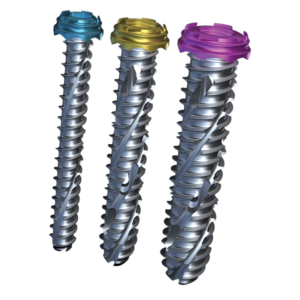

 System Features
 Key Features
 Key Features
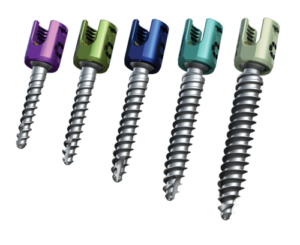 Key Features
 Key Features
 Key Features
 Key Features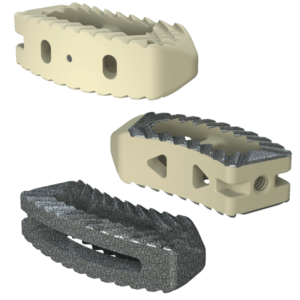
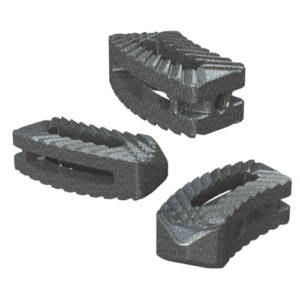
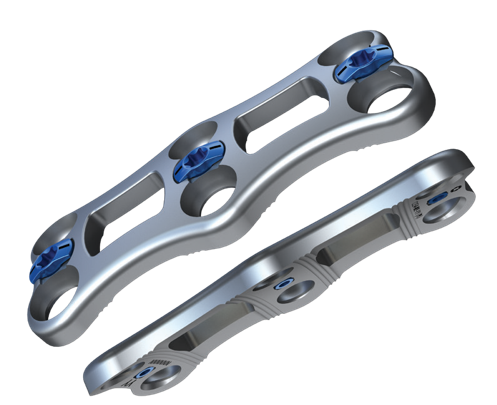
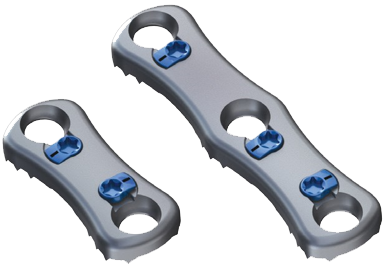
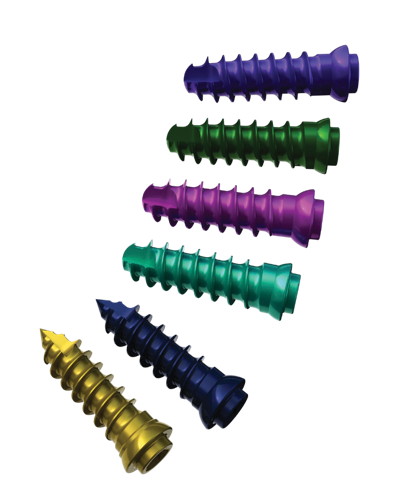
 Key Features
 Key Features
 Key Features