| Identity | Fourier-Transform Infrared Spectroscopy (FTIR) | Confirms that the material has an infrared spectral pattern consistent with D-chiro-inositol. | D-chiro-inositol is a cyclitol with the molecular formula C6H12O6 and a relative molecular mass of approximately 180.16 g/mol. The spectrum should match an authenticated reference standard or a qualified reference library. | Request the raw or reviewed spectrum, reference-standard information, sample identification, and laboratory approval. |
| Identity | Nuclear Magnetic Resonance (NMR) | Provides structural confirmation and helps distinguish the inositol backbone from unrelated sugars or excipients. | 1H-NMR and/or 13C-NMR can be compared with an authenticated D-chiro-inositol reference spectrum. | Use as a supplementary identity test, especially when the material is from a new source or when FTIR alone is insufficient. |
| Identity | Chiral Chromatography | Confirms the stereochemical form and helps distinguish D-chiro-inositol from other inositol stereoisomers. | A validated chiral HPLC or related stereoselective method should demonstrate the required D-chiro-inositol peak and control other stereoisomers. | Check that the method is genuinely stereoselective and that any limit for other inositol isomers is defined in the product specification. |
| Strength | Quantitative Assay | Measures the actual amount of D-chiro-inositol in the raw material or finished dosage form. | Validated HPLC, HPAEC-PAD, HPLC-RI, HPLC-ELSD, or another suitable quantitative method may be used because inositols have weak ultraviolet absorbance. | Review the assay result against the approved specification, method validation data, reference-standard traceability, and uncertainty of measurement. |
| Strength | Content Uniformity | Confirms that individual capsules, tablets, or sachets contain consistent amounts of D-chiro-inositol. | Multiple finished-product units are tested using a validated quantitative method. The acceptance criteria should follow the applicable finished-product specification or pharmacopoeial requirement. | Do not rely only on a bulk-powder assay when purchasing a finished supplement; request unit-to-unit data where applicable. |
| Purity | Related Substances and Other Inositol Isomers | Detects process-related compounds, degradation products, and unwanted stereoisomers. | A suitable chromatographic method should separate D-chiro-inositol from other inositol forms and report individual and/or total related substances. | Confirm that the certificate reports impurities separately rather than showing only a broad “total purity” statement. |
| Physical Quality | Appearance, Solubility, and Identification of Form | Checks whether the supplied material matches the expected physical description and declared form. | D-chiro-inositol is commonly supplied as a white or off-white crystalline powder. Appearance and solubility should be compared with the approved specification. | Unexpected color, odor, visible particles, clumping, or poor solubility should trigger an investigation before use. |
| Purity | Water Content | Measures moisture that may affect assay results, stability, flow, and microbial risk. | Karl Fischer titration is generally more specific for water than loss-on-drying when other volatile substances may be present. | Review the tested value, method, sampling conditions, packaging, and the moisture limit established for the product. |
| Safety | Residual Solvents | Detects volatile organic solvents remaining from manufacturing or purification. | Headspace GC is commonly used. Limits should be evaluated against current ICH Q3C principles or applicable local requirements. | Ensure the report lists individual solvents or clearly states that the relevant solvent panel was tested. |
| Safety | Elemental Impurities and Heavy Metals | Detects toxic elements that may originate from raw materials, processing equipment, water, or contamination. | ICP-MS or ICP-OES may be used to test elements such as lead, arsenic, cadmium, and mercury, with additional elements assessed according to risk. | Check numerical results, units, reporting limits, sample preparation, and comparison with applicable daily-exposure limits. |
| Safety | Microbial Quality | Checks for unacceptable levels of total microbial contamination and specified microorganisms. | Testing may include total aerobic microbial count, total yeast and mold count, and absence or control of specified organisms according to product type and intended use. | Confirm that the microbial specification is appropriate for a dry powder, capsule, tablet, or liquid preparation. |
| Safety | Mycotoxins and Contaminants | Assesses contamination risks associated with agricultural, fermentation, or natural-source materials. | Risk-based testing may include aflatoxins, other mycotoxins, pesticides, or process contaminants when the raw-material origin or manufacturing process justifies it. | Ask for a documented contaminant-risk assessment rather than assuming every panel is necessary or universally required. |
| Stability | Stability and Retest Data | Supports the assigned shelf life and confirms that identity, assay, purity, and microbiological quality remain acceptable over time. | Review real-time and/or accelerated stability data under defined temperature and humidity conditions, together with packaging information. | Verify the lot number, manufacturing date, retest or expiry date, storage conditions, and whether the container-closure system was evaluated. |
| Traceability | Certificate of Analysis (CoA) | Links the reported test results to a specific production lot. | A complete CoA should include product name, lot number, manufacturing date, test methods, specifications, actual results, units, and approval status. | Prefer a lot-specific CoA over a generic template. The document should be signed or electronically approved by an authorized quality representative. |
| Manufacturing | Quality-System and GMP Evidence | Shows that manufacturing, testing, documentation, deviations, and change control are managed systematically. | Relevant evidence may include a current GMP certificate or audit report, validated analytical methods, calibration records, and documented deviation and complaint procedures. | Confirm that the evidence applies to the actual manufacturing site and the specific material or dosage form being purchased. |




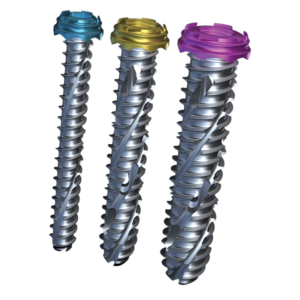

 System Features
 Key Features
 Key Features
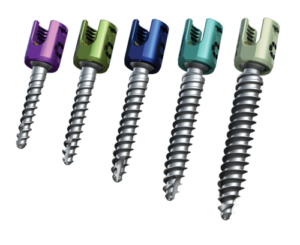 Key Features
 Key Features
 Key Features
 Key Features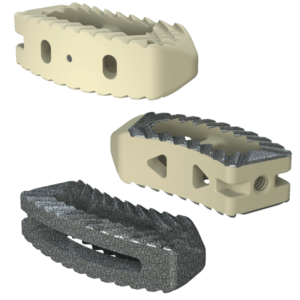
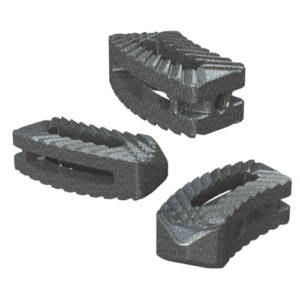
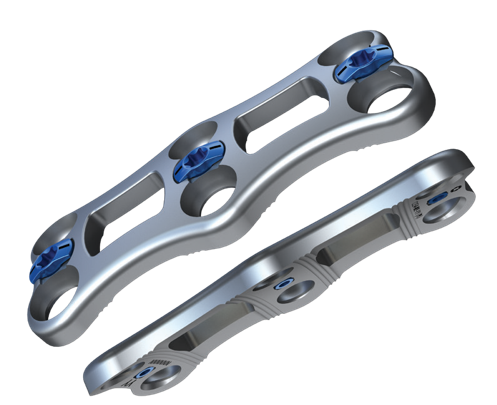
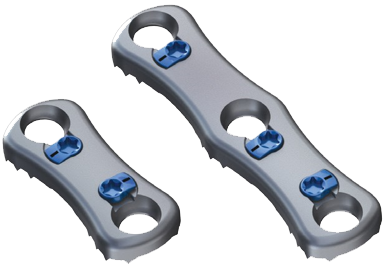
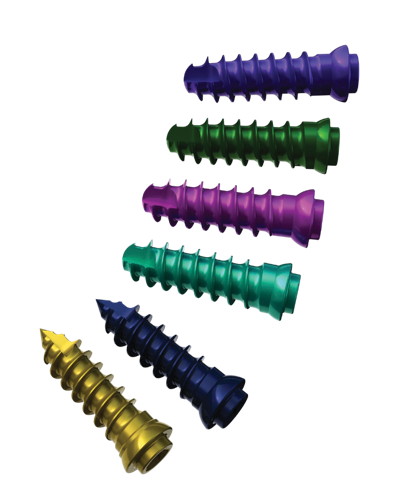
 Key Features
 Key Features
 Key Features