| 1 | Choose the correct syringe capacity | 1 mL, 3 mL, 5 mL, 10 mL, 20 mL, or 50/60 mL; luer-slip or luer-lock connection. | $0.03–$0.18 | 10,000–100,000 units | 20–45 days after artwork and specifications are approved. | Lightweight and generally easy to ship by air or sea. Carton dimensions can affect freight more than product weight. | Confirm whether the syringe is classified as a medical device, accessory, or general healthcare product in the destination market. | Technical specification, product drawings, intended-use statement, commercial invoice, packing list, and certificate of origin where applicable. |
| 2 | Verify sterile versus non-sterile construction | Individually packaged sterile syringe, or bulk non-sterile syringe for laboratory or industrial use. | $0.05–$0.30 | 5,000–50,000 units | 30–60 days, including sterilization and packaging release. | Sterile products require intact cartons and protection from moisture, crushing, and extreme temperature exposure. | Sterile products may require validated sterilization evidence, shelf-life information, sterile-barrier validation, and medical-device registration or listing. | Sterilization certificate or validation summary, sterility test results, packaging validation, shelf-life statement, and certificate of analysis. |
| 3 | Select the right needle configuration | Fixed or detachable needle; common gauges include 18G–27G. Needle length often ranges from 3/8 inch to 1.5 inches. | $0.06–$0.35 | 10,000–100,000 units | 25–60 days depending on needle size, assembly, and packaging. | Needles are sharp medical articles. Confirm carton strength, inner protection, and carrier acceptance before dispatch. | Some jurisdictions apply additional rules to sharps, injection devices, or products supplied with needles. Confirm tariff classification and safety documentation. | Gauge and length specification, needle-point description, penetration or sharpness test results, material declaration, and risk-management file summary. |
| 4 | Compare material and compatibility | Medical-grade polypropylene barrel, polyethylene or elastomer gasket, and stainless-steel needle where included. | $0.04–$0.25 | 10,000–75,000 units | 20–50 days for standard materials; longer for customized components. | Standard plastic syringes are normally not temperature-controlled shipments, but avoid prolonged heat that may affect packaging or elastomer performance. | Confirm material compliance, chemical compatibility, extractables and leachables expectations, and restrictions on substances used in healthcare products. | Material certificates, biocompatibility evidence where applicable, chemical-composition declaration, and compatibility data for the intended application. |
| 5 | Check accuracy and graduation quality | Clear barrel, readable graduations, smooth plunger movement, and controlled residual volume. | $0.04–$0.22 | 10,000–100,000 units | 20–45 days after acceptance of the quality standard. | Request pre-shipment samples if measurement accuracy is critical. Use protective cartons to reduce deformation during transit. | Medical-device markets may require performance testing, dimensional inspection, and compliance with recognized syringe standards such as ISO 7886 where applicable. | Inspection report, dimensional tolerances, graduation-accuracy results, leakage test results, and retained-sample policy. |
| 6 | Evaluate packaging and labeling | Individual blister or peel pouch, batch number, expiry date where applicable, sterile symbol, and instructions for use. | $0.02–$0.15 packaging cost | 5,000–50,000 units | 30–60 days for printed packaging; plain packaging is usually faster. | Printed cartons increase dimensional weight. Confirm whether labels must be in the official language or languages of the destination market. | Labeling may need manufacturer or importer details, lot number, expiry date, sterile status, single-use indication, storage conditions, and local language information. | Artwork proof, label specification, packaging validation, instructions for use, and approved master carton markings. |
| 7 | Compare MOQ against total landed cost | Standard catalog configuration versus customized size, color, logo, packaging, or assembly. | $0.03–$0.35 | Standard: 5,000–25,000 units
Customized: 25,000–250,000 units | Standard items may ship in 15–30 days; customized items often require 45–90 days. | Calculate product cost, tooling, artwork, inspection, freight, insurance, duties, taxes, broker fees, and local delivery together. | Customs valuation and tariff classification should reflect the actual product and transaction. Confirm whether an importer of record is required. | Pro forma invoice, HS-code proposal, carton dimensions, gross and net weight, Incoterm quotation, and tooling-cost breakdown. |
| 8 | Select a practical Incoterm and shipping mode | Finished sterile or non-sterile syringes shipped by air courier, air freight, or ocean freight. | Freight varies by route and volume | 1 carton by courier; pallet or container quantity by sea | Air freight: approximately 5–15 days in transit; ocean freight: approximately 25–60 days in transit, excluding customs. | Ask for carton count, pallet configuration, dimensional weight, cargo insurance, shipment tracking, and customs-broker responsibility. | Clarify whether the quote is EXW, FOB, FCA, CIF, or DAP and identify who handles export clearance, import clearance, duties, taxes, and delivery. | Commercial invoice, packing list, transport document, certificate of origin if required, insurance certificate, and export documents. |
| 9 | Confirm quality-system and regulatory evidence | Products manufactured under a documented quality system with traceable production and inspection records. | $0.04–$0.40 | 5,000–100,000 units | Existing qualified products: 20–45 days; new qualification projects may take 2–6 months. | Quality-release status should be confirmed before shipment. Do not rely on shipping documents as proof of regulatory approval. | Depending on the market and intended use, buyers may need evidence of ISO 13485-based quality management, applicable conformity assessment, product registration, and post-market responsibilities. | Quality certificate, declaration of conformity where applicable, test reports, audit summary, product registration evidence, and batch-release records. |
| 10 | Build inspection, traceability, and after-sales controls | Lot-controlled products with defined acceptance criteria for leaks, particles, dimensions, packaging integrity, and quantity. | $0.01–$0.08 inspection cost per unit | Inspection commonly applies to every production lot. | Allow 3–10 additional working days for pre-shipment inspection and corrective-action review. | Use a retained sample and carton-level identification so any transport damage or quality issue can be traced to the affected lot. | Maintain records for complaints, recalls, nonconformities, corrective actions, and disposal of defective or expired medical products as required locally. | Inspection checklist, batch records, certificate of analysis, complaint procedure, recall procedure, warranty terms, and nonconformity report template. |






 System Features
 Key Features
 Key Features
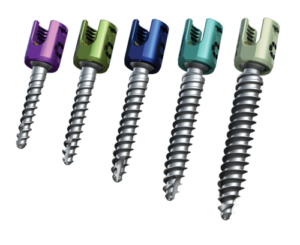 Key Features
 Key Features
 Key Features
 Key Features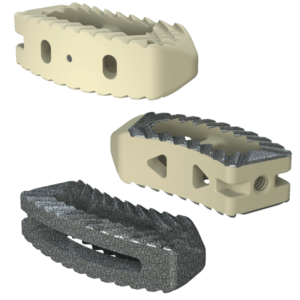
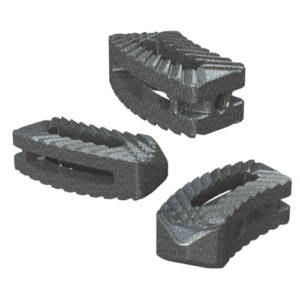
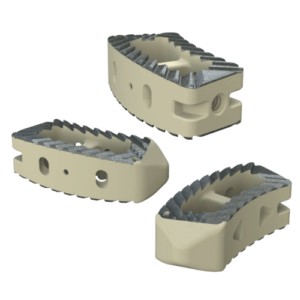
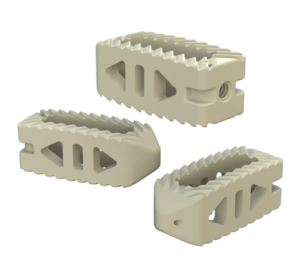
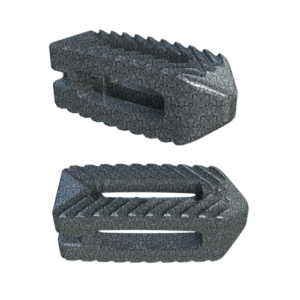
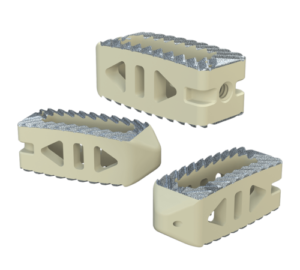
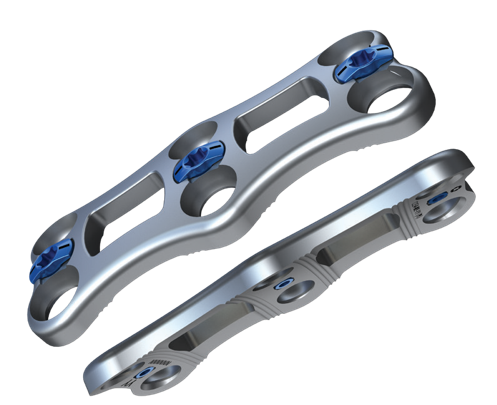
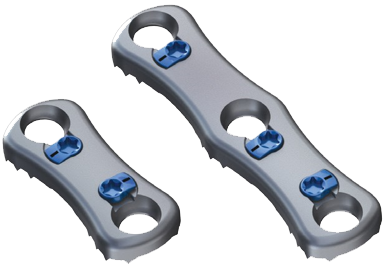
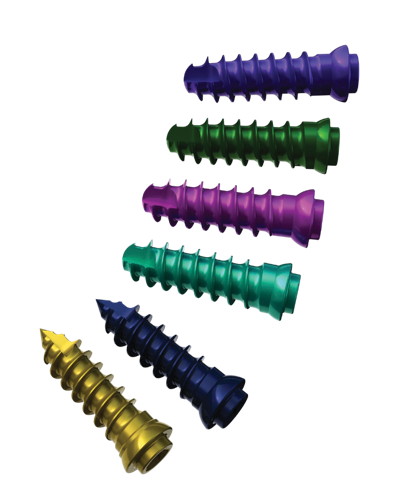
 Key Features
 Key Features
 Key Features