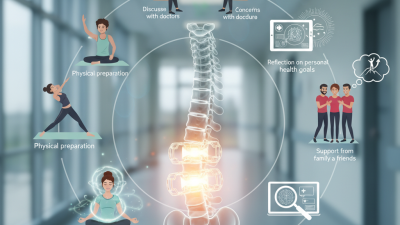
Top Considerations in Orthopedic Surgery of the Spine for Patients Seeking Relief?

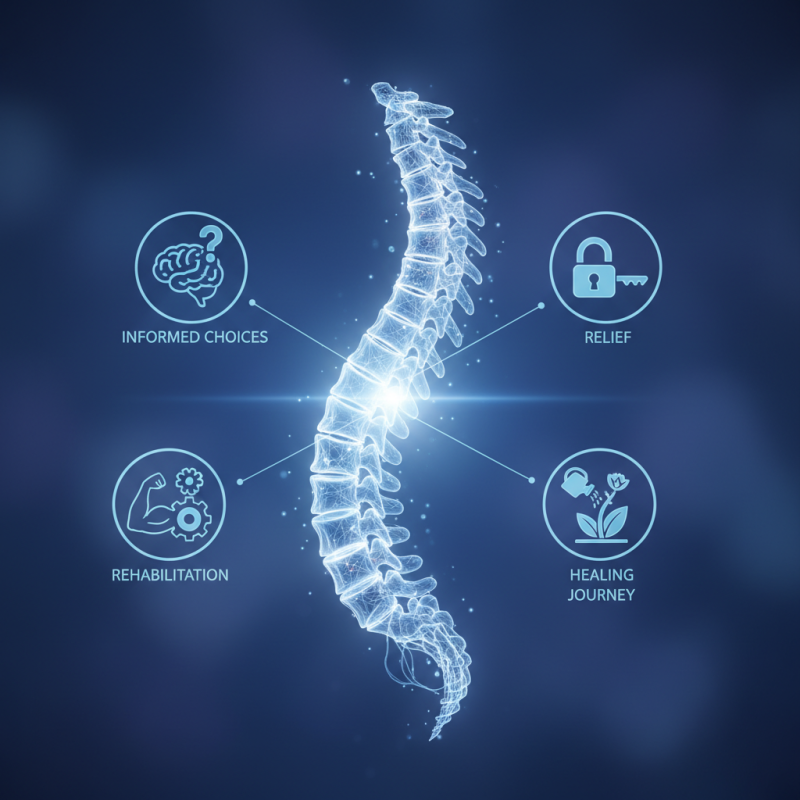
When considering relief from spine issues, many patients explore orthopedic surgery of the spine. This specialized field aims to address diverse spinal disorders. Understanding the numerous factors involved can empower patients to make informed choices.

Choosing orthopedic surgery of the spine requires careful thought. Potential risks and complications may include infection or nerve damage. Patients often have conflicting emotions; fear and hope coexist. Personal healing journeys vary greatly, and realistic expectations are essential. Many seek advice from trusted professionals to navigate these complex waters.

Moreover, rehabilitation plays a crucial role in recovery. Post-surgery, patients must engage in physical therapy to regain strength and mobility. It is essential to commit to the process, as full recovery takes time. Sometimes, setbacks occur, and patience is key. Evaluating overall health before surgery is also vital. With these considerations in mind, patients can approach their decisions about orthopedic surgery of the spine more confidently.

Top Considerations in Orthopedic Surgery of the Spine for Patients Seeking Relief?

Understanding Common Spine Conditions Treated in Orthopedic Surgery

Understanding common spine conditions is crucial for patients considering orthopedic surgery. Many suffer from chronic pain due to issues like herniated discs or spinal stenosis. Reports indicate that more than 80% of adults experience back pain at some point. This suggests a need for effective treatment options.

Herniated discs occur when the inner gel-like substance pushes through the outer layer. This often leads to nerve compression. Patients can experience sharp pain, numbness, or weakness. Research shows that about 90% of patients improve with conservative care, but some require surgery.

Spinal stenosis, another prevalent condition, leads to the narrowing of the spinal canal. It affects mobility and causes significant discomfort. Statistics highlight that approximately 3 million cases are diagnosed annually in the U.S. alone.

These conditions demand careful evaluation. Not all patients are surgical candidates. Lifestyle factors, such as weight and activity levels, play a role in recovery. Statistics indicate that patients who engage in physical therapy show marked improvement. However, surgery remains a tough choice for many. It's crucial to weigh the risks, potential benefits, and realistic outcomes.

Evaluating Non-Surgical vs. Surgical Treatment Options for Spine Issues

Top Considerations in Orthopedic Surgery of the Spine for Patients Seeking Relief?

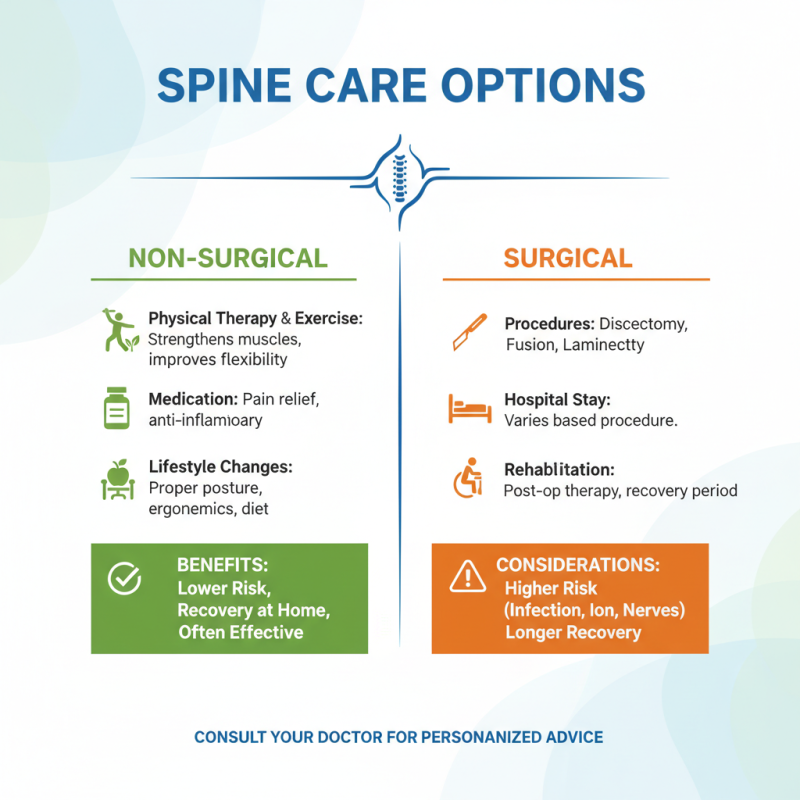
When facing spine issues, patients often weigh the benefits of non-surgical versus surgical treatments. Non-surgical options typically include physical therapy, medication, and lifestyle changes. These methods can provide relief without the risks associated with surgery. Many patients report significant improvement through these avenues. Regular exercise, proper posture, and ergonomic adjustments can make a difference.

However, surgery may be necessary for certain conditions. Severe herniated discs or spinal stenosis can lead to debilitating pain. For some, surgery offers a chance to regain mobility and quality of life. But it’s not without risks. Complications can arise, leading to further challenges. Each patient must carefully consider their unique situation. They should discuss all available options with a qualified professional. What works for one may not work for another.

Ultimately, patients must reflect on their preferences and priorities. Non-surgical methods may require patience, while surgery offers more immediate results. Understanding both paths helps in making an informed choice. It's essential to weigh the trade-offs involved in each approach.

Assessing Risks and Benefits of Spine Surgery for Patients

When considering spine surgery, patients must weigh both risks and benefits carefully. Surgery can offer relief from chronic pain or limited mobility, but it is not without its complications. Common risks include infection, nerve damage, and blood clots. Patients should discuss these possibilities with their surgeons to ensure they understand what to expect.

Recovery can be a long process. Factors like age and overall health play significant roles. Some patients may find themselves disappointed if recovery doesn’t meet their expectations. It's essential to approach the situation realistically. Not every patient experiences full relief after surgery. Embracing a mindset of patience and ongoing care can make the journey smoother.

Moreover, alternative treatments exist. Physical therapy, medication, or lifestyle changes can sometimes provide adequate relief. No route is without challenges. Patients should contemplate all available options before making a decision. Engaging in open discussions with healthcare providers can lead to more informed choices. This consideration helps navigate the complex landscape of spine surgery.

Top Considerations in Orthopedic Surgery of the Spine

Assessing Risks and Benefits of Spine Surgery for Patients

Importance of Preoperative Assessments in Spine Surgery Planning

Preoperative assessments are crucial for spine surgery planning. These evaluations highlight a patient's fitness for surgery. According to a report by the American Academy of Orthopedic Surgeons, about 30% of patients face complications due to inadequate preoperative evaluations. Thorough assessments can reveal underlying conditions like diabetes or hypertension that may influence surgical outcomes.

Assessments often include imaging, lab tests, and clinical evaluations. For instance, an MRI can provide a detailed view of spinal issues. A comprehensive analysis can lead to better surgical strategies. Studies indicate that patients who undergo proper preoperative assessments have a 40% lower rate of postoperative complications.

However, not all orthopedic teams perform these assessments consistently. This inconsistency can lead to unnecessary risks. Some patients might not discuss their full medical history. This lack of transparency can complicate surgical planning. Therefore, both the patient and the surgical team need to engage in open communication. Proper preparation is essential for improving outcomes in spine surgery.

Postoperative Care and Rehabilitation in Spine Surgery Recovery

Postoperative care is essential for successful spinal surgery recovery. After the procedure, patients need to focus on wound care and pain management. Keeping the surgical area clean and dry helps prevent infections. Regularly checking the incision site for any unusual changes is vital. Pain levels may vary, and medication can help manage discomfort. Always communicate with healthcare providers about pain concerns.

Rehabilitation plays a crucial role in recovery. Physical therapy often begins soon after surgery. Gentle exercises help improve mobility and strength. It’s common to feel frustrated at times during this process. Progress may seem slow, and some days are harder than others. Pacing oneself is important; pushing too hard can delay healing. Listening to your body is key, even if it means taking a step back.

Patients should stay engaged with their recovery plans. Attending follow-up appointments is essential for monitoring progress. Open discussions about any difficulties encountered can help address concerns. Staying informed about the healing process fosters a sense of control. Every patient's journey is unique, and patience is necessary for enduring healing.