| 1 | Confirm the intended clinical use | Common syringe pump applications include controlled delivery of medications, analgesics, sedatives, hormones, and neonatal or pediatric fluids. | Check compatibility with the required care area, patient population, drug concentration, syringe sizes, and continuous or intermittent infusion mode. | 20% |
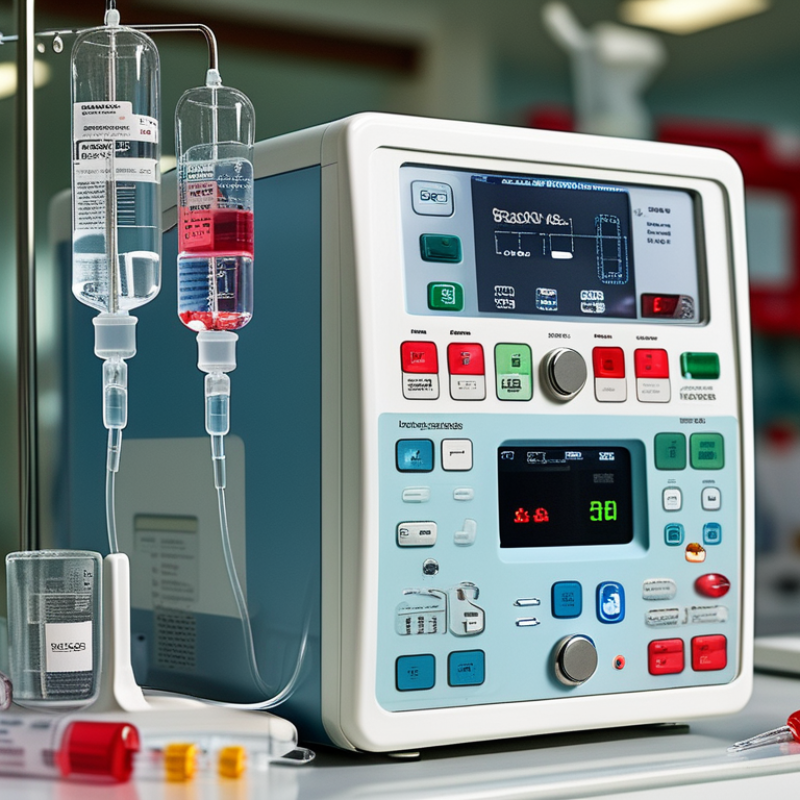
| 2 | Review flow-rate performance | Many clinical syringe pumps provide low, precisely controlled rates, commonly from approximately 0.1 mL/h to 1,000 mL/h, depending on the syringe size and device design. | Request accuracy specifications, start-up delay data, occlusion response, bolus volume, anti-free-flow protection, and performance at low flow rates. | 20% |
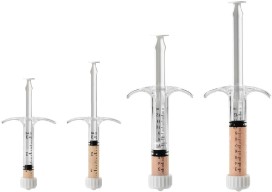
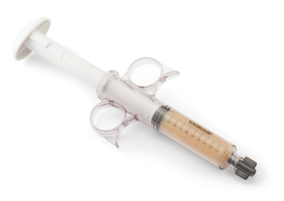
| 3 | Check syringe and accessory compatibility | A pump may support several syringe capacities, often including 5 mL, 10 mL, 20 mL, 30 mL, and 50/60 mL, but compatibility is model-specific. | Verify the approved syringe list, barrel and plunger dimensions, extension sets, clamps, pole mounts, battery packs, and whether custom syringe libraries can be updated. | 15% |
| 4 | Evaluate alarms and usability | Important alarms typically include occlusion, near-end, end-of-infusion, empty battery, syringe displacement, drive failure, and door or clamp errors. | Assess alarm priority, audible and visual indicators, screen readability, keypad protection, language options, event logs, dose-error reduction features, and staff training time. | 15% |
| 5 | Review maintenance requirements | Preventive maintenance commonly includes visual inspection, cleaning, battery assessment, alarm testing, occlusion testing, drive-mechanism inspection, and flow-rate verification. | Obtain the service interval, calibration procedure, recommended test equipment, spare-parts availability, battery replacement method, software support period, and repair turnaround target. | 10% |
| 6 | Verify certifications and regulatory documentation | Relevant documentation may include a medical-device regulatory authorization, ISO 13485 quality-management certification, IEC 60601-1 electrical safety compliance, and IEC 60601-1-2 electromagnetic compatibility testing. | Confirm that certificates apply to the exact model and intended market. Request the declaration of conformity, risk-management records, electrical-safety reports, EMC reports, labeling, and current instructions for use. | 10% |
| 7 | Calculate total cost of ownership | Total cost includes purchase price, accessories, training, preventive maintenance, calibration, batteries, repairs, software updates, downtime, and disposal or replacement costs. | Compare a 5-year ownership estimate and record warranty length, included accessories, annual service costs, consumable requirements, expected battery life, loaner availability, and repair charges. | 10% |




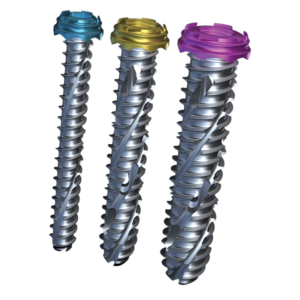

 System Features
 Key Features
 Key Features
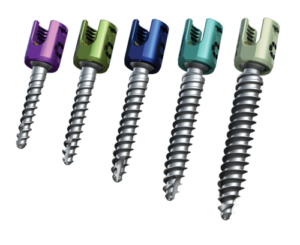 Key Features
 Key Features
 Key Features
 Key Features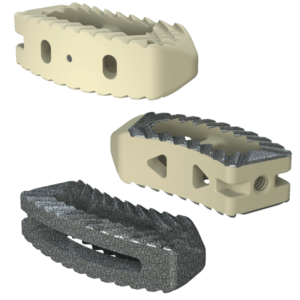
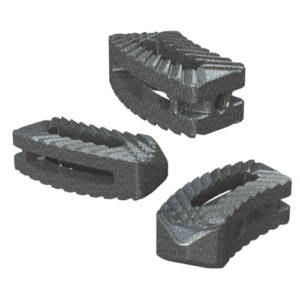
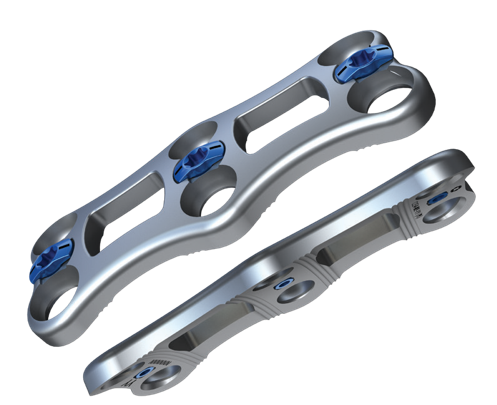
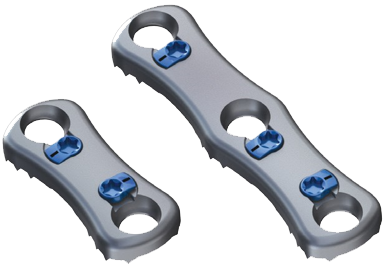
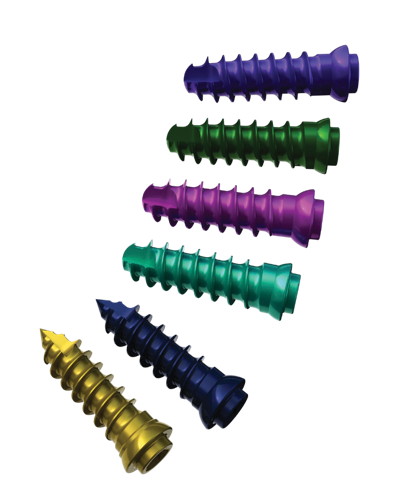
 Key Features
 Key Features
 Key Features