| 1 | Infusion Accuracy | Delivers blood components at a controlled rate and supports accurate volume administration, particularly when precise fluid management is important. | Review the specified flow-rate range, accuracy claims, occlusion response, and performance with blood bags, tubing, and the viscosity of the intended component. | Documented accuracy data |
| 2 | Blood Component Compatibility | Helps prevent damage to red blood cells and supports safe administration of red cells, plasma, platelets, and other approved components. | Confirm compatibility with the facility’s blood bags, administration sets, filters, connectors, and anticoagulant systems. Check the manufacturer’s approved-use instructions. | Component-specific compatibility |
| 3 | Air Detection and Control | Detects or limits air entering the patient line, reducing the risk of air embolism and supporting safer infusion practices. | Look for air-in-line detection, automatic stopping or clamping, alarm visibility, alarm audibility, and the ability to test the safety function during routine checks. | Audible and visual alarms |
| 4 | Occlusion Monitoring | Identifies downstream or upstream blockage that could interrupt transfusion or increase pressure in the administration set. | Assess pressure-alarm settings, alarm response time, pressure-release behavior, and whether staff can distinguish an occlusion alarm from other alerts. | Adjustable safety monitoring |
| 5 | Temperature Management | Supports controlled warming when clinically indicated, such as during rapid or high-volume transfusion, while helping avoid excessive heating of blood. | Verify temperature monitoring, independent over-temperature protection, warming performance at the intended flow rate, and clear instructions for use with each blood component. | Monitored and protected warming |
| 6 | Filter and Tubing Design | Helps remove clots, cellular aggregates, and particulate matter from the transfusion path. Standard blood administration commonly uses a suitable blood filter. | Confirm the required filter size and type, tubing priming method, compatible connectors, dead volume, disposable-set availability, and replacement requirements. | Approved disposable pathway |
| 7 | Emergency and Battery Operation | Maintains or safely pauses transfusion during patient transport, power interruption, or emergency relocation. | Review battery runtime under the expected operating load, recharge time, power-failure alarms, manual backup procedures, and battery replacement intervals. | Verified backup capability |
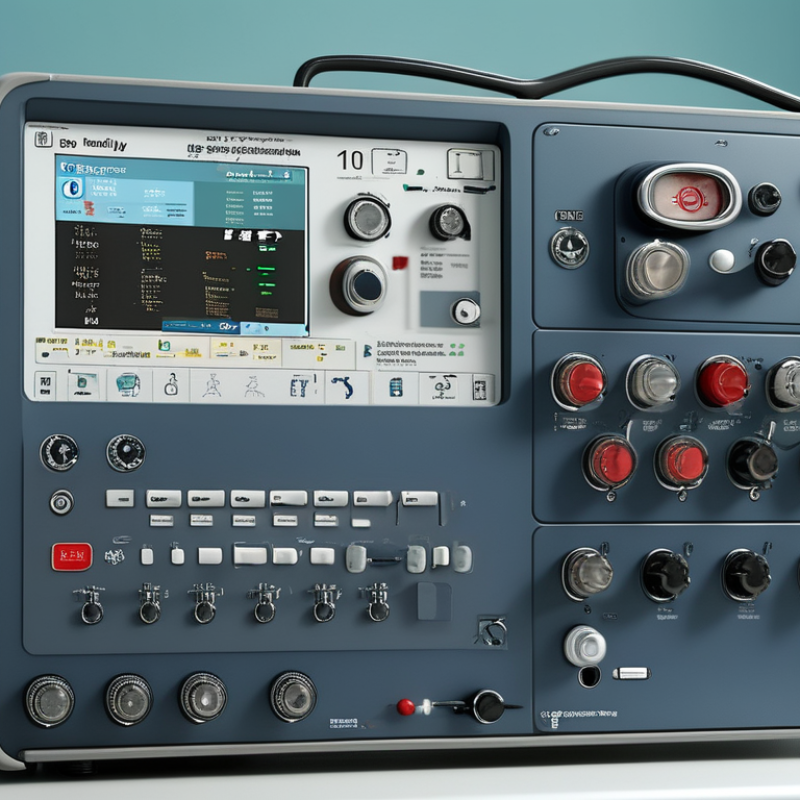
| 8 | User Interface and Alarms | Reduces operation errors by making flow settings, remaining volume, pressure status, and safety alerts easy to interpret at the bedside. | Evaluate screen readability, control layout, alarm prioritization, language options, tamper protection, and the number of steps needed to start or stop an infusion. | Clear bedside operation |
| 9 | Cleaning and Infection Prevention | Supports safe reuse of the external device and reduces contamination risks between patients and transfusion episodes. | Confirm approved cleaning agents, ingress protection, smooth cleanable surfaces, disposable components, spill-management instructions, and compatibility with the facility’s infection-control policy. | Simple validated cleaning process |
| 10 | Training, Maintenance, and Records | Ensures that staff can use the machine correctly and that performance remains within the required safety specifications over its service life. | Review operator training materials, competency requirements, preventive-maintenance schedules, electrical-safety testing, calibration procedures, service documentation, and incident data recording. | Traceable quality system |





 System Features
 Key Features
 Key Features
 Key Features
 Key Features
 Key Features
 Key Features
 Key Features
 Key Features
 Key Features