| Tip 1 | Target pathogens | A typical respiratory 2-in-1 ATK detects SARS-CoV-2 antigen together with influenza A and/or influenza B antigen in one testing workflow. | Differentiating common viral respiratory infections during periods of overlapping circulation. | Confirm the exact analytes listed in the package insert. “2-in-1” may refer to two disease targets, while some products report influenza A and B separately. |
| Tip 2 | Specimen type | Anterior nasal swab collection is commonly used for self-testing; some professional-use tests require nasal or nasopharyngeal specimens. | Home screening, pharmacies, workplaces, schools, clinics, and community testing sites. | Check whether the kit is authorized for self-use or professional use and whether the swab, collection method, and age range match the intended users. |
| Tip 3 | Result turnaround time | Many rapid antigen tests produce a visual result in approximately 15–30 minutes, but the exact read window is product-specific. | Fast triage, same-day screening, travel-related checks, and workplace or event entry procedures where permitted. | Compare the required processing time, maximum valid read time, equipment requirements, and whether results can be read without an analyzer. |
| Tip 4 | Clinical performance | Sensitivity is generally lower than molecular testing, especially early in infection or when viral load is low. Specificity is commonly high but varies by test and setting. | Preliminary screening and rapid identification of people who may need isolation, confirmatory testing, or clinical assessment. | Review sensitivity and specificity separately for SARS-CoV-2, influenza A, and influenza B, including the studied symptom status and days from symptom onset. |
| Tip 5 | Timing and repeat testing | A negative antigen result does not always rule out infection. For symptomatic individuals with a negative result, repeat testing after 48 hours is commonly recommended by public-health guidance when applicable. | Reducing false reassurance during early infection or after a recent exposure. | Provide clear instructions for negative, positive, and invalid results, including when a molecular test or healthcare consultation is recommended. |
| Tip 6 | Storage and shelf life | Many rapid antigen kits are stored at controlled room temperature, often around 2–30°C, but the permitted range and expiry date must be taken from the specific labeling. | Inventory planning for hospitals, retailers, distributors, emergency stock, and mobile testing teams. | Check temperature limits, humidity restrictions, transport conditions, remaining shelf life at delivery, and whether the expiry date has been officially extended. |
| Tip 7 | Regulatory status and intended use | Authorization, labeling, and reporting requirements differ by country. A test may be cleared for professional use, prescription use, or over-the-counter self-testing. | Compliant procurement for healthcare facilities, employers, schools, public programs, and home users. | Verify the applicable national authorization, product documentation, lot traceability, instructions in the required language, quality certifications, and disposal guidance. |

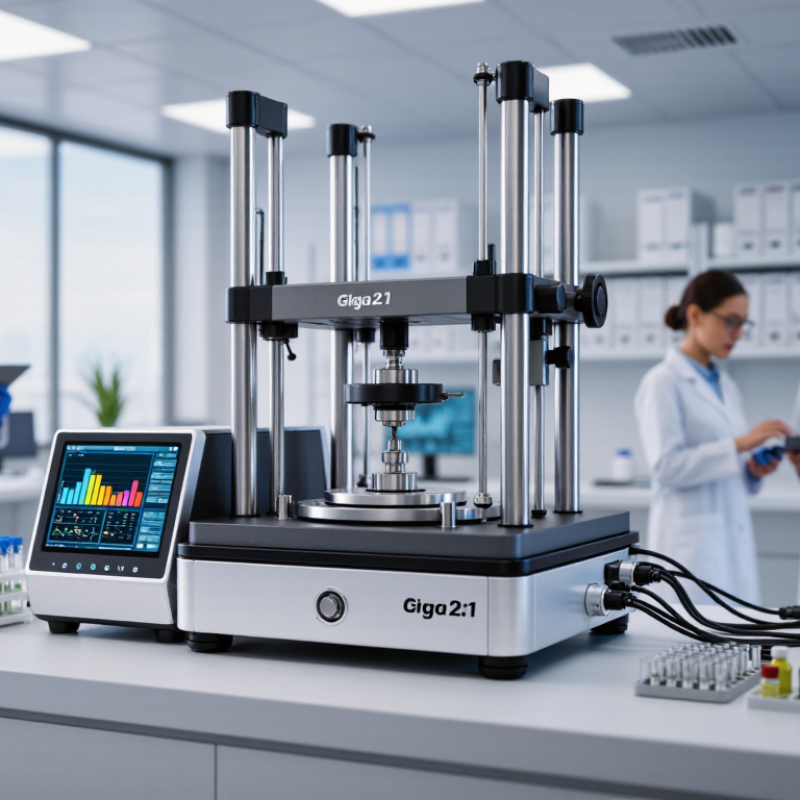



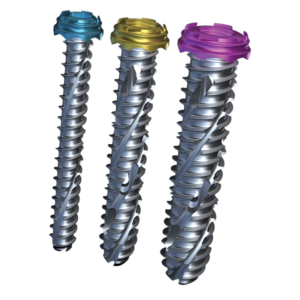

 System Features
 Key Features
 Key Features
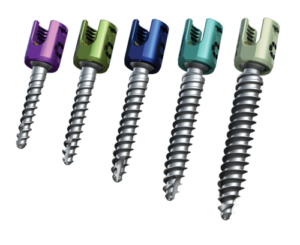 Key Features
 Key Features
 Key Features
 Key Features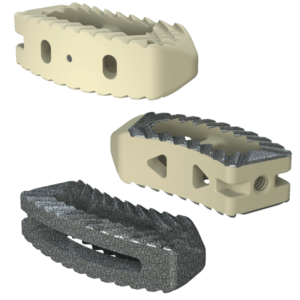
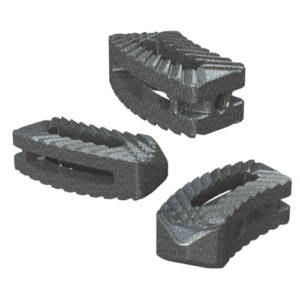
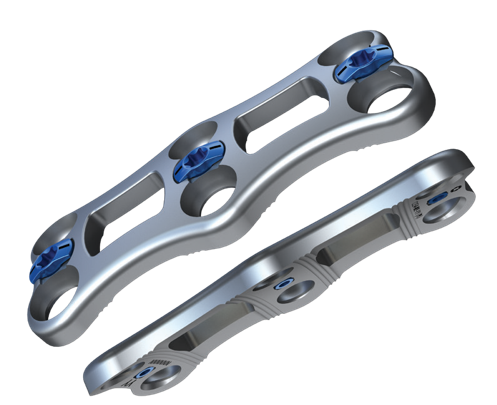
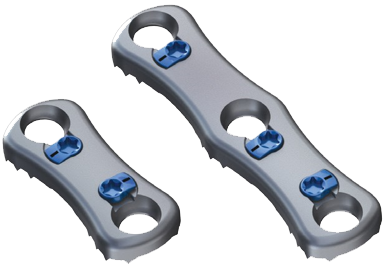
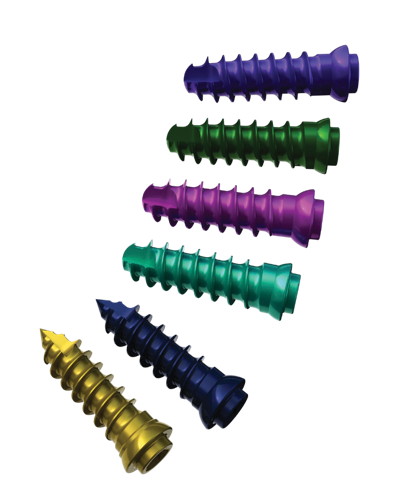
 Key Features
 Key Features
 Key Features