Top 10 Orthopedic Procedures You Should Know About?

Orthopedic procedures play a crucial role in treating musculoskeletal issues. Dr. Emily Carter, an orthopedic surgeon with over 15 years of experience, emphasizes, "Understanding these procedures can greatly improve patient outcomes." Many patients remain unaware of the effectiveness of these interventions.

The top 10 orthopedic procedures include hip replacements, rotator cuff repairs, and spinal fusions. Each procedure addresses specific conditions, yet they often involve risks and recovery challenges. Many individuals fear surgery, not realizing its potential benefits.

Knowledge about orthopedic procedures is vital for informed decision-making. Patients should engage in discussions with healthcare providers to understand what each procedure entails. Recognizing the complexity can make the journey less daunting, but it is essential to approach these topics thoughtfully. Empowerment through information can lead to better health outcomes.

Top 10 Orthopedic Procedures You Should Know About?

Introduction to Orthopedic Procedures

Orthopedic procedures are vital for those experiencing musculoskeletal issues. These can range from minor injuries to major surgeries. Recent studies suggest that nearly 50% of adults will experience musculoskeletal pain at some point in their lives. Understanding these procedures can help patients make informed decisions about their care.

Common procedures include arthroscopy, knee replacements, and spinal fusions. Arthroscopy is minimally invasive, allowing for quicker recovery. A report by the American Academy of Orthopedic Surgeons indicates that knee replacements have a 90% success rate in relieving pain. However, not every procedure is right for every patient. It's essential to discuss options with a qualified orthopedist to find the best solution.

**Tip:** Always seek multiple opinions when considering surgery. Sometimes, non-invasive treatments can be just as effective. Pay attention to recovery timelines and follow-up care. Engaging in physical therapy post-surgery significantly enhances outcomes, as noted in various clinical studies. Always stay informed about potential risks and benefits.

Top 10 Orthopedic Procedures You Should Know About

Procedure Description Indications Recovery Time
Knee Replacement Surgical procedure to replace a damaged knee joint with artificial components. Severe arthritis, knee injury, or chronic pain. 6 to 12 weeks
Hip Replacement Procedure to replace a damaged hip joint with a prosthesis. Arthritis, hip fracture, or severe pain. 4 to 6 weeks
Arthroscopy Minimally invasive procedure using a small camera to diagnose and treat joint issues. Meniscus tears, ligament repairs, joint inflammation. 1 to 3 weeks
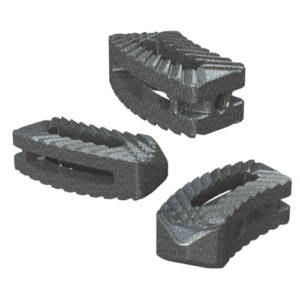
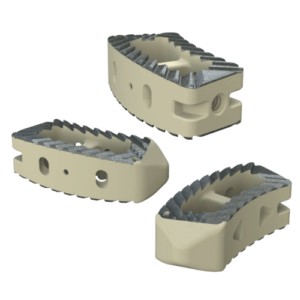
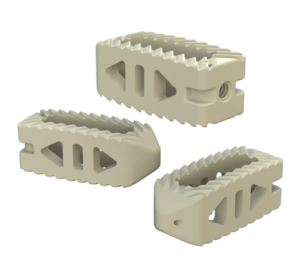
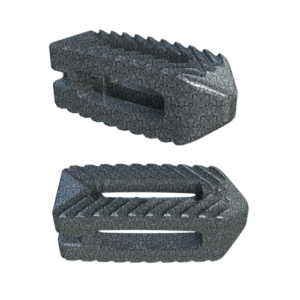
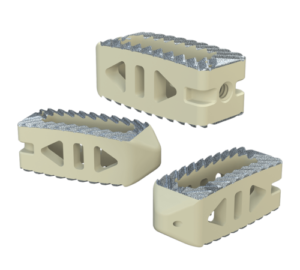
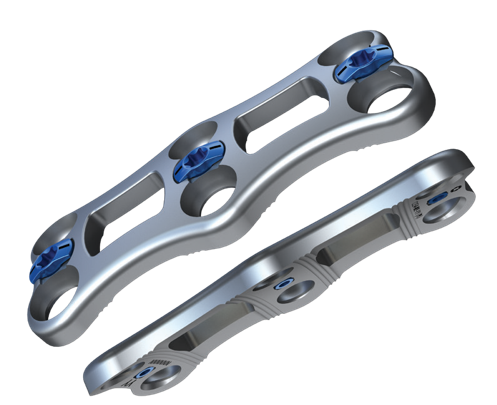
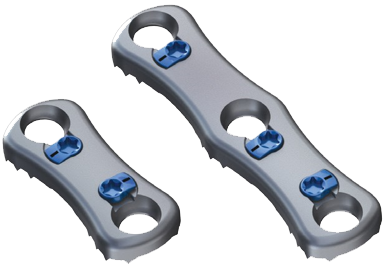
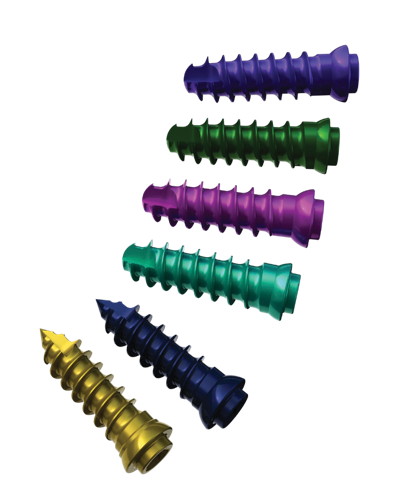
Spinal Fusion Surgery to join two or more vertebrae in the spine. Spinal instability, herniated discs, scoliosis. 3 to 6 months
Tendon Repair Surgery to repair damaged or torn tendons. Injuries, tendonitis, tears. 4 to 12 weeks
Carpal Tunnel Release Procedure to relieve pressure on the median nerve in the wrist. Carpal tunnel syndrome. 2 to 4 weeks
Shoulder Replacement Surgery to replace a damaged shoulder joint with a prosthesis. Severe arthritis, rotator cuff tear. 4 to 6 months
Ankle Fusion Surgery to fuse the bones of the ankle joint. Severe arthritis or instability. 6 to 12 months
Joint Injection Injection of medication into a joint to relieve pain and inflammation. Arthritis, tendonitis, bursitis. Immediate effects, follow-up varies.

Common Indications for Orthopedic Surgery

Orthopedic surgery is crucial for many patients. Various conditions often lead to the need for these procedures. Common indications include severe fractures, joint pain, and tendon injuries. Patients frequently seek help for chronic conditions like osteoarthritis. This degenerative disease affects joints, causing pain and stiffness. Furthermore, sports injuries are a significant reason for orthopedic visits. These injuries can range from sprains to complete ligament tears.

Another common indication is spinal disorders. Conditions such as herniated discs can result in debilitating pain. Patients may struggle with mobility due to nerve compression. This necessitates surgical intervention for relief. Another concern is repetitive strain injuries, especially in athletes and manual workers. Over time, these injuries can compromise strength and function. Also, congenital deformities, such as scoliosis, often require corrective procedures to enhance quality of life.

Each case presents unique challenges. Surgical solutions are not always straightforward. There is a need for careful assessment and planning. Factors like age, health status, and lifestyle play roles in outcomes. Not every patient will achieve complete recovery. It's a journey that often involves rehabilitation. The road to healing can entail setbacks and difficult moments. Nevertheless, understanding these conditions empowers patients to make informed decisions.

Top 10 Orthopedic Procedures You Should Know About

Overview of the Top 10 Orthopedic Procedures

Top 10 Orthopedic Procedures You Should Know About?

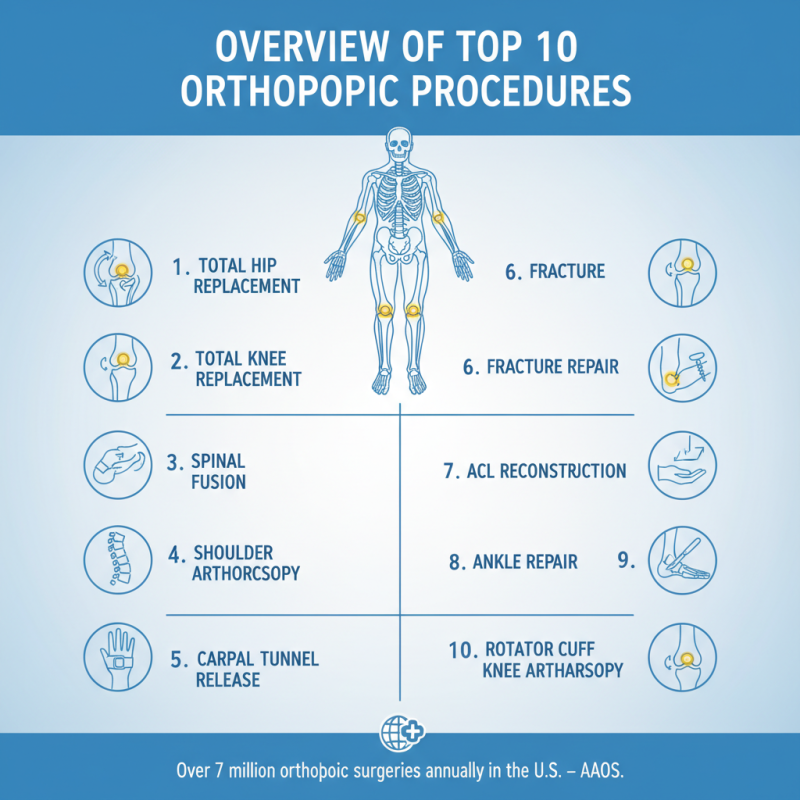
Orthopedic procedures play a crucial role in treating musculoskeletal issues. According to the American Academy of Orthopaedic Surgeons, over 7 million orthopedic surgeries are performed each year in the United States alone. These procedures range from joint replacements to fracture repairs, addressing various conditions.

Among the top procedures, knee arthroscopy is notable. This minimally invasive surgery allows for diagnosis and treatment of joint problems. It has significantly reduced recovery times compared to open surgeries, yet some patients experience complications. Research indicates that nearly 20% of individuals may still suffer from residual symptoms post-surgery. Another common procedure is hip replacement. Over 400,000 are performed annually in the U.S. While successful, patients must consider risks like infection or implant failure.

In addition, spinal fusion remains a widely performed procedure for back pain. While it can provide relief, a substantial number of patients report ongoing pain after surgery. The success rates can vary significantly based on individual circumstances and the specific technique used. Awareness of these factors is essential for patients considering orthopedic interventions.

Risks and Benefits of Orthopedic Treatments

Top 10 Orthopedic Procedures You Should Know About?

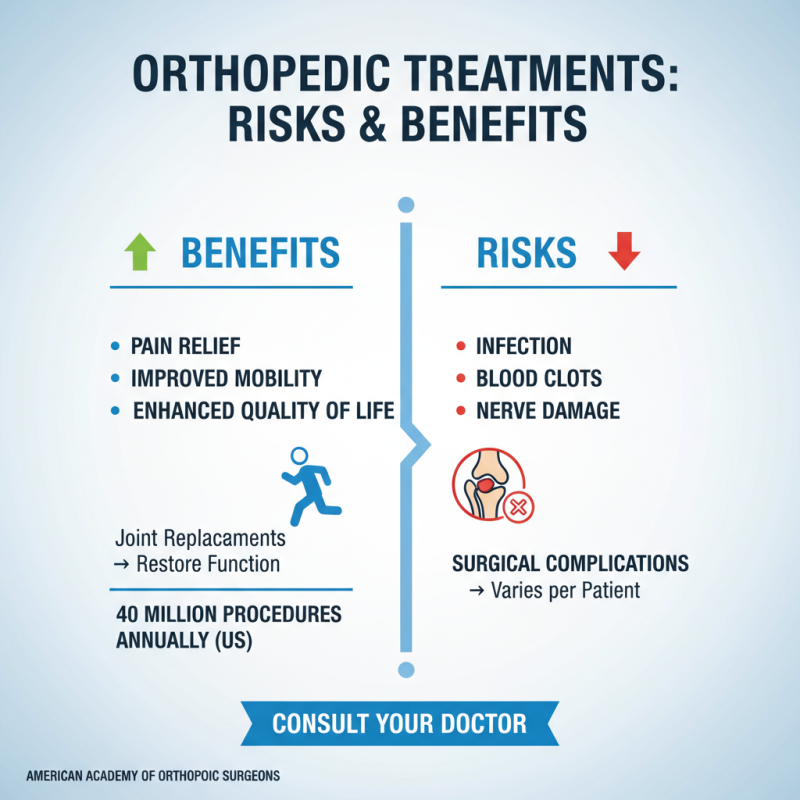
Orthopedic treatments provide significant benefits but also come with inherent risks. Surgery can alleviate pain and improve mobility. According to the American Academy of Orthopaedic Surgeons, nearly 40 million people undergo orthopedic procedures annually in the U.S. Many report reduced discomfort and enhanced quality of life post-surgery. For example, joint replacements can restore necessary function, especially in seniors unable to engage in daily activities due to pain.

However, these procedures carry potential complications. Risk factors include infection, blood clots, and anesthesia reactions. A study published in the Journal of Bone and Joint Surgery highlighted that about 1-2% of patients experience serious complications. Recovery can also be lengthy, sometimes requiring months of physical therapy. This may lead some to question if the benefits outweigh the risks. It's essential for patients to have informed discussions with their healthcare providers about these factors. Balancing expected outcomes with potential setbacks is critical in orthopedic decision-making.

Post-Operative Care and Recovery in Orthopedic Surgery

Post-operative care is crucial in orthopedic surgery. After a procedure, the body needs time to heal. Follow-up appointments become essential for tracking recovery. Pain management is a priority. Patients should use prescribed medications as directed. Ignoring pain management can lead to complications.

Physical therapy often begins shortly after surgery. The goal is to regain strength and mobility. Activities may include gentle exercises. Specific exercises can vary based on the procedure. Patients need to communicate openly with their therapists. Some days will be harder than others.

Nutrition plays a significant role in healing. Foods rich in protein and vitamins help repair tissues. It's important to stay hydrated. Taking care of mental health is equally vital. Many patients experience emotional ups and downs. Seeking support can aid recovery.

Consistent rest is essential too. Overexertion can lead to setbacks. Reflection during this process is key to understanding one’s progress.