Top 10 Surgical Products Global Buyers Need?

Global surgical procurement is no longer a simple search for the lowest price. Hospitals need safe, traceable, durable, and clinically appropriate surgical products. They also need reliable suppliers who can support products after delivery.

This article, “Top 10 Surgical Products Global Buyers Need?”, examines the items most relevant to operating rooms, clinics, and emergency facilities. The discussion may include surgical instruments, electrosurgical devices, sutures, wound-care products, sterile drapes, gloves, masks, suction systems, and surgical lighting. Each category carries different risks. A reusable instrument must resist repeated sterilization. A disposable item must maintain packaging integrity. A powered device needs clear instructions, service access, and dependable performance.

Details matter.

Atul Gawande, a surgeon and public-health researcher, wrote, “The volume and complexity of what we know has exceeded our individual ability to properly deliver its benefits.” His observation explains why buyers need structured product evaluation, not attractive catalogs alone. Specifications, clinical evidence, ISO certification, sterilization compatibility, warranty terms, and supplier responsiveness should all influence purchasing decisions. Local regulations and hospital protocols must remain central.

This outline is practical, but it is not flawless. Product priorities differ between a rural clinic and a tertiary hospital. A premium device may be unnecessary in one setting, while a cheaper option may create hidden maintenance costs. Buyers should question assumptions, test samples where possible, and consult surgeons, nurses, biomedical engineers, and infection-control teams. Reliable procurement is not about owning the most equipment. It is about choosing the right surgical products for real clinical conditions.

Top 10 Surgical Products Global Buyers Need?

Surgical Products: Definition, Categories, and Clinical Purposes

Surgical products are medical devices, materials, and consumables used during an operation or recovery. Their purpose may be cutting, closing, protecting, replacing, or monitoring tissue. The boundaries are not perfectly clean.

Core categories include surgical instruments, sutures, staples, wound dressings, hemostatic materials, implants, surgical meshes, drapes, and airway devices. Instruments provide access and precision. Sutures and staples approximate tissue edges. Hemostatic products control bleeding when pressure alone is insufficient. Implants restore structure, while dressings protect wounds and manage exudate. Each category demands different evidence, packaging, sterility, and storage controls.

Clinical purpose should guide purchasing decisions, not appearance or unit price. A trauma team may need rapid hemostasis and durable closure materials. An orthopedic service may prioritize implants, bone fixation tools, and imaging compatibility. The Lancet Commission on Global Surgery estimated that five billion people lack access to safe, affordable surgical care. It also reported a global need for about 143 million additional procedures annually. These figures reveal why reliable supply matters. The World Health Organization’s Surgical Safety Checklist supports consistent verification before incision, including equipment readiness and patient identity. Small failures matter. A missing size can delay treatment. A poorly selected dressing can obscure infection. Buyers should review clinical indications, sterility assurance, shelf life, usability data, and post-market evidence. That process is demanding. It is also where procurement decisions become clinical decisions.

Essential Surgical Instruments for Cutting, Grasping, and Suturing

Top 10 Surgical Products Global Buyers Need

Global surgical demand is expanding. The Lancet Commission on Global Surgery estimated 313 million operations occur worldwide each year, while about five billion people lack safe, affordable surgical care. Buyers therefore need instruments that perform reliably across operating rooms, training levels, and sterilization systems.

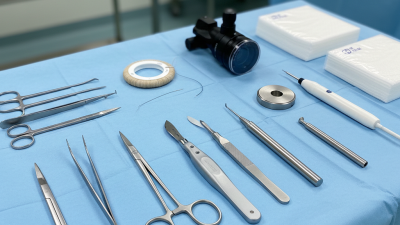
The core cutting set includes scalpels, blade handles, dissecting scissors, tissue scissors, and bone saws. Choose balanced handles and sharp, consistent edges. Small details matter. A blunt edge increases tissue trauma and operating time. Grasping tools include tissue forceps, hemostatic clamps, and retractors. Their teeth, jaws, and locking mechanisms should match tissue strength and procedure type. For suturing, needle holders and surgical needles must provide stable control without damaging needles or gloves. Suture materials should be selected by absorption profile, tensile strength, and wound location.

The World Health Organization’s Global Surgery 2030 report links surgical safety with trained staff, dependable equipment, and resilient supply systems. Buyers should request material certificates, sterilization compatibility, corrosion testing, and traceability records. ISO 13485-based quality systems can support consistent manufacturing controls, but certification alone is not enough. A perfect set does not exist. Some instruments feel excellent in testing yet fatigue surgeons during long procedures. Practical trials, cleaning reviews, and feedback from nurses can reveal that weakness.

Sterile Supplies for Infection Control and Operating Room Safety

Top 10 Surgical Products Global Buyers Need

Sterile supplies are the operating room’s quiet safety system. Global buyers commonly source sterile gloves, gowns, masks, caps, shoe covers, drapes, instrument trays, sutures, wound dressings, and irrigation sets. Each product protects a different control point, from the surgeon’s hands to the patient’s incision. Small packaging damage can compromise the whole procedure. That detail deserves more attention.

The WHO Global Report on Infection Prevention and Control states that healthcare-associated infections affect about 7 in 100 patients in high-income countries and 15 in 100 patients in low- and middle-income countries. The report also indicates that strong infection prevention programs may reduce these infections by up to 70%. Buyers should therefore verify sterility validation, barrier performance, material compatibility, and package integrity. They should also request lot traceability, expiration controls, and clear sterilization indicators. The CDC Guideline for the Prevention of Surgical Site Infection emphasizes evidence-based practices, including appropriate sterile barriers and safe surgical preparation.

Practical checks matter. Hold a sealed tray under bright light. Look for torn pouches, weak seals, moisture, or missing indicators. Confirm that gowns fit without restricting movement. Check whether gloves maintain tactile sensitivity during suturing. Cost still matters, but unreliable packaging creates hidden costs. No checklist is perfect. Human handling remains a risk. Procurement teams should review incident records, storage conditions, and supplier quality audits before approving repeat orders.

Top 10 Surgical Products Global Buyers Need? - Sterile Supplies for Infection Control and Operating Room Safety
Priority Surgical Product Primary Use Typical Sterile Configuration Key Buying Criteria Common Applicable Standards Important Quality Checks
1 Sterile Surgical Gloves Protect the surgical field and reduce contact transmission between staff and patients. Powder-free, single-use, individually packed pairs; latex or synthetic options. Barrier integrity, tactile sensitivity, size range, ergonomic fit, latex-allergy controls, low protein content, and sterile packaging. EN 455 series; ASTM D3577; ISO 11137 or another validated sterilization standard. AQL for freedom from holes, tensile properties, package seal integrity, sterility, and expiration-date traceability.
2 Sterile Surgical Gowns Provide a fluid-resistant barrier for the wearer and help maintain a controlled sterile field. Single-use gown, folded for aseptic donning, with waist and neck ties or fastening system. Protection level, liquid resistance, seam construction, breathable fabric, cuff design, size range, and sterile-pack presentation. ANSI/AAMI PB70; EN 13795-1; ISO 22610 for wet bacterial penetration where applicable. Critical-zone coverage, hydrostatic pressure, linting, seam strength, microbial barrier performance, and packaging integrity.
3 Sterile Surgical Drapes and Packs Separate the operative site from non-sterile areas and manage fluids during procedures. Procedure-specific drapes or customized packs with fenestrations, adhesive edges, fluid pouches, and accessories. Absorbency, strike-through resistance, lint control, secure fixation, anatomical fit, pack customization, and waste reduction. EN 13795-1; ISO 22610; relevant national requirements for sterile barrier systems. Fluid penetration, bacterial barrier performance, drape strength, adhesive performance, labeling, and sterile-pack seal quality.
4 Sterile Surgical Masks and Respirators Limit emission and inhalation of infectious particles according to the procedure and risk assessment. Single-use three-layer masks with ear loops or ties; higher-filtration respirators for selected risks. Bacterial filtration, particulate filtration, breathability, splash resistance, fit, comfort, and reliable nose-clip performance. EN 14683 for medical masks; ASTM F2100; applicable respiratory-protection requirements for respirators. Filtration efficiency, differential pressure, splash resistance, biocompatibility, strap strength, and package cleanliness.
5 Sterile Skin Preparation Applicators Prepare intact skin before incision or invasive procedures in accordance with local clinical protocols. Single-use sterile applicator, sponge, or swab containing an approved antiseptic formulation. Validated antimicrobial activity, application area, drying time, compatibility with skin, and clear contraindication labeling. Applicable national medicinal-product or medical-device rules; ISO 10993 where relevant to material safety. Active-ingredient concentration, sterility, leakage prevention, lot traceability, flammability warnings where applicable, and expiration date.
6 Sterile Instrument and Tubing Sets Deliver fluids, irrigation, suction, or other procedural functions while reducing assembly time and contamination risk. Procedure-specific sterile tubing, connectors, filters, clamps, and protective caps in a sealed pack. Connector compatibility, flow rate, kink resistance, leak prevention, material safety, and clear setup instructions. ISO 80369 for small-bore connectors where applicable; ISO 10993; applicable sterile-barrier requirements. Pressure and leak testing, dimensional verification, particulate control, sterility, connector fit, and packaging integrity.
7 Sterile Electrosurgical Accessories Support controlled cutting or coagulation while helping manage electrical safety risks. Sterile active electrodes, cables, pencils, grounding electrodes, or procedure-specific accessories. Generator compatibility, cable insulation, adhesion, thermal performance, connector design, and clear single-use labeling. IEC 60601-2-2; ISO 10993; applicable electrical safety and medical-device regulations. Electrical continuity, insulation integrity, attachment strength, heat resistance, sterility, and package seal testing.
8 Sterile Suction Catheters and Yankauer Tips Remove blood, irrigation fluid, and other materials from the operative field or airway. Individually sterile catheter or rigid tip with connecting tubing and protective packaging. Suction performance, atraumatic tip design, lumen size, kink resistance, connector fit, visibility, and latex-free materials. ISO 10993; applicable requirements for sterile, single-use suction devices and medical tubing. Flow testing, dimensional accuracy, connector security, blockage resistance, sterility, and packaging integrity.
9 Sterile Wound Closure Products Approximate tissue edges after incision or trauma and support controlled wound healing. Sterile sutures, skin staplers, clips, or adhesive closure strips in procedure-ready packs. Absorbable or non-absorbable material, tensile retention, needle geometry, handling, tissue response, and size availability. United States Pharmacopeia suture requirements where applicable; ISO 10993; relevant national device regulations. Needle attachment, knot-pull strength, diameter, sterility, package integrity, lot traceability, and expiration labeling.
10 Sterilization Packaging and Chemical Indicators Maintain sterility after processing and provide visual evidence that a sterilization cycle has been exposed to specified conditions. Sterilization pouches, reels, wraps, trays, indicator tape, and internal or external chemical indicators. Process compatibility, seal strength, barrier performance, clean opening, indicator readability, and storage durability. ISO 11607-1 and ISO 11607-2; ISO 11140 series for chemical indicators; ISO 17665, ISO 11135, or ISO 11137 as applicable. Seal integrity, burst or peel strength, indicator accuracy, material compatibility, lot control, and event-related shelf-life validation.
Procurement note: Standard applicability depends on the product classification, intended use, sterilization method, and destination market. Buyers should verify current regulatory requirements, sterile-barrier validation, technical files, lot traceability, and local clinical protocols before purchase.

Surgical Implants, Wound Care Products, and Patient Support Devices

Top 10 Surgical Products Global Buyers Need?

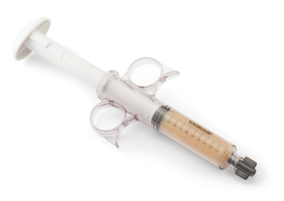
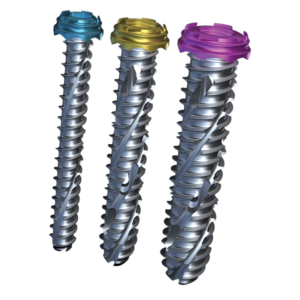
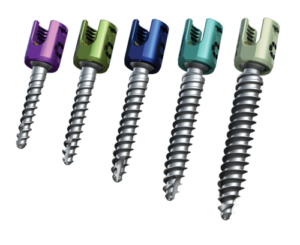
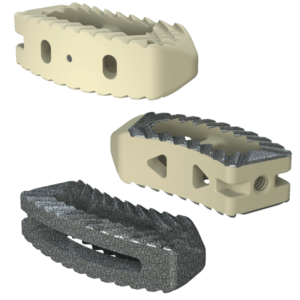
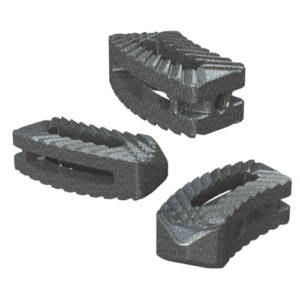
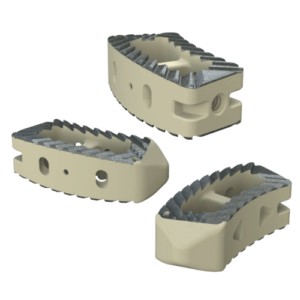
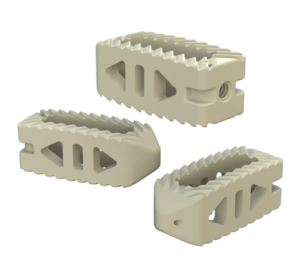
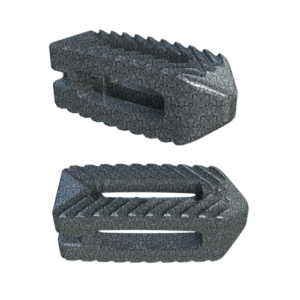
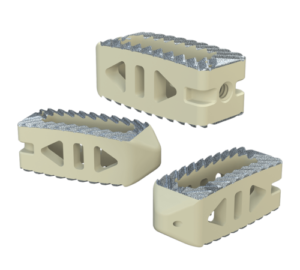
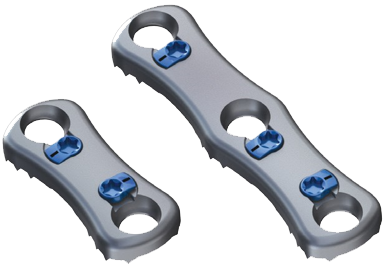
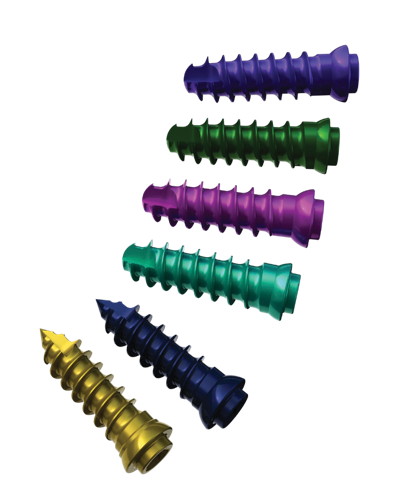
Global surgical buyers often prioritize implants, wound care products, and patient support devices. Implant selection should match anatomy, procedure type, sterilization requirements, and expected load. Common choices include fixation plates, bone screws, joint replacement components, spinal cages, and surgical meshes. Material traceability matters. So does documentation.

Wound care requires more than absorbency. Buyers may need foam dressings, hydrogel dressings, antimicrobial dressings, absorbent pads, and negative pressure therapy systems. Each product should suit wound depth, exudate level, skin condition, and clinical protocol. Clear instructions reduce application errors. Small details matter.

Patient support devices protect recovery after surgery. Useful categories include compression garments, positioning cushions, transfer aids, mobility supports, and pressure-redistribution mattresses. Buyers should check weight limits, cleaning methods, adjustment ranges, and replacement schedules. Comfort affects cooperation. That is easy to underestimate.

Reliable procurement also requires supplier audits, lot tracking, quality certificates, and post-market feedback. Local clinical training can prevent misuse, especially when devices arrive with unfamiliar instructions. A low purchase price may hide higher costs from returns, delays, or poor fitting. Not every product works equally well in every setting. That assumption deserves review.

Top 10 Surgical Products Global Buyers Need

Surgical implants, wound care products, and patient support devices

The chart compares approximate 2023 global market values for major non-branded surgical product categories. Orthopedic and cardiovascular implants represent the largest value segments, while wound dressings, surgical instruments, patient monitors, and mobility-support products remain essential for routine surgical care and post-operative recovery. Figures are rounded public-market estimates; categories may overlap and are not intended to represent a single additive market total.

Reference basis: publicly reported 2023 estimates from international healthcare market research, WHO surgical safety and infection-prevention guidance, and global medical-device industry reports.

Global Buyer Criteria: Quality, Compliance, Cost, and Supplier Selection

Top 10 Surgical Products Global Buyers Need?

Global Buyer Criteria: Quality, Compliance, Cost, and Supplier Selection

Global buyers assess more than the unit price of surgical products. They examine material consistency, packaging integrity, sterilization records, and shelf-life data. For sutures, gowns, drapes, instruments, and wound-care products, traceability should reach the production lot. Clear labels reduce errors in busy operating rooms. Small details matter.

Compliance depends on the destination market. Buyers should request technical files, test reports, declarations, and quality certificates before placing large orders. A supplier should explain its quality system, inspection points, and corrective-action process. Independent audits can reveal weak controls that documents may hide. Requirements also vary by country.

Cost needs a wider calculation. Freight, customs, rejected goods, storage, and training can change the final price. A cheaper product may create expensive delays. Supplier selection should include sample evaluation, factory capacity, response time, and continuity planning. Ask how the supplier manages material shortages. Ask for evidence, not promises.

Even a careful checklist can miss a practical problem. A package may open poorly with gloved hands. A delivery may arrive during a local holiday. Buyers should test products in realistic clinical workflows and record feedback from surgeons, nurses, and purchasing staff. The strongest supplier is not always the largest. It is the one that communicates clearly, documents changes, and accepts scrutiny.