| Manufacturing and Packaging Authorization | Businesses manufacturing or packaging Canadian tobacco products generally require the appropriate tobacco licence under the Excise Act, 2001. | Canada Revenue Agency (CRA) | Valid tobacco licence details, legal business information, manufacturing-site information, and confirmation that the licensed activities match the supplied products. | Required |
| Excise Duty Compliance | Tobacco products manufactured in Canada or imported for the Canadian market may be subject to federal excise duty. Rates and applicable duties must be verified against the current CRA schedule. | Canada Revenue Agency (CRA) | Current duty calculation, excise-account documentation, proof of remittance, and product classification used for the calculation. | Required |
| Federal Tobacco Excise Stamp | Most Canadian tobacco products intended for the domestic market must bear the applicable federal tobacco excise stamp. Products without the required stamp may be subject to enforcement action. | Canada Revenue Agency (CRA) | Photographs or inspection records showing the correct stamp, stamp-control procedures, and documentation linking stamped goods to production or import records. | Required |
| Product Packaging and Health Warnings | Tobacco products and packages must comply with federal labelling, presentation, health-warning, and required-information rules. Plain and standardized packaging requirements apply to covered tobacco products. | Health Canada; Tobacco and Vaping Products Act and related regulations | Current packaging artwork, regulatory review records, bilingual label proofs where required, and evidence that packaging matches the product category and applicable format. | Required |
| Promotion, Advertising, and Sponsorship | Tobacco promotion, advertising, sponsorship, testimonials, lifestyle advertising, and product displays are restricted under federal law, with additional provincial or territorial restrictions possible. | Health Canada; provinces and territories | Approved marketing materials, retailer-display procedures, promotional review records, and written controls prohibiting non-compliant advertising or sponsorship. | Restricted |
| Minimum Age and Sale Controls | Federal law prohibits furnishing tobacco products to young persons under 18. Provinces and territories may set a higher minimum age and impose additional point-of-sale requirements. | Health Canada; provincial and territorial authorities | Age-verification policy, staff training records, identification-check procedures, and province-specific retail compliance controls. | Jurisdiction-specific |
| Importation and Customs Documentation | Imported tobacco must comply with Canadian customs, excise, product, packaging, and import requirements before being released or supplied in Canada. | Canada Border Services Agency (CBSA); CRA; Health Canada | Commercial invoices, tariff classification, import records, origin documentation, excise-stamp arrangements, and customs-broker records. | Required |
| Record-Keeping and Traceability | Licensed tobacco businesses must maintain records that support production, inventory, transactions, excise-duty reporting, and inspection requirements under applicable federal rules. | Canada Revenue Agency (CRA) | Batch or lot records, inventory reconciliations, purchase and sales invoices, shipping records, recall procedures, and retention-policy documentation. | Required |
| Provincial and Territorial Tobacco Taxes | Provincial or territorial tobacco taxes, permits, reporting obligations, and retail rules may apply in addition to federal excise requirements. Rates and procedures differ by jurisdiction. | Relevant provincial or territorial finance and revenue authorities | Jurisdiction-specific registration or permit information, tax calculations, returns, remittance evidence, and destination-based compliance procedures. | Varies by Province |
| Indigenous Tax and Duty Rules | Special rules may apply to tobacco products sold on or delivered to Indigenous communities, including provincial or territorial tax exemptions, refund programs, allocation systems, or quantity restrictions. | Relevant federal, provincial, territorial, and Indigenous authorities | Eligibility documentation, delivery records, applicable certificates or permits, tax-treatment rationale, and controls preventing unauthorized diversion. | Case-specific |
| Product Quality and Consumer Safety | Suppliers should maintain controls to ensure products are manufactured, stored, transported, and supplied consistently with applicable federal requirements and documented specifications. | Health Canada; CRA; applicable provincial or territorial authorities | Quality-management procedures, supplier audits, storage records, incident reports, complaint handling, and documented corrective-action processes. | Recommended Control |
| Supplier Due Diligence | A compliant procurement process should verify licensing, tax status, product legality, packaging compliance, supply-chain records, and the supplier’s ability to meet the rules in the destination jurisdiction. | Purchaser’s compliance function; relevant Canadian authorities | Completed onboarding checklist, licence verification, sanctions and enforcement screening, contract compliance clauses, audit rights, and periodic re-verification records. | Best Practice |






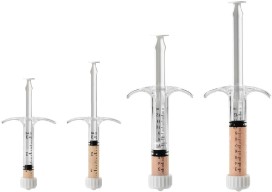
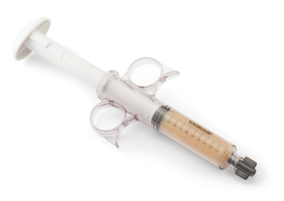


 System Features
 Key Features
 Key Features
 Key Features
 Key Features
 Key Features
 Key Features
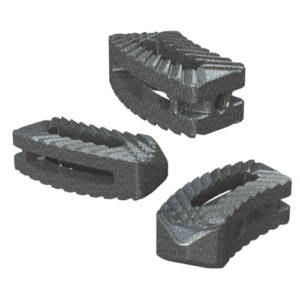


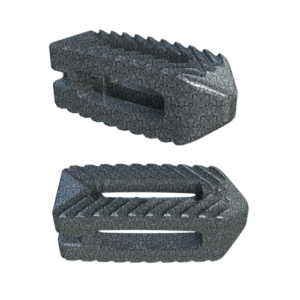



 Key Features
 Key Features
 Key Features