| Base polymer | Unfilled polyether ether ketone (PEEK); confirm that the material is unfilled rather than glass- or carbon-fiber reinforced. | Request the material specification, grade identification, and lot-specific certificate of analysis. Do not rely on a generic “PEEK” description alone. |
| Melting point | Approximately 343°C for PEEK; the reported value can depend on the test method and material formulation. | Check the supplier’s technical data sheet and the stated test method. Melting point is not the same as a recommended processing temperature. |
| Tensile strength | Unfilled PEEK commonly has a tensile strength in the approximate range of 90–100 MPa, depending on grade, specimen preparation, and test conditions. | Compare data measured under the same test standard and conditions; ask for test reports for the actual resin or finished component where required. |
| Glass transition temperature | Approximately 143°C is a commonly reported value for PEEK. | Confirm the value for the specific grade and distinguish glass transition temperature from melting point and long-term service temperature. |
| Density | Unfilled PEEK is typically around 1.30 g/cm³; the precise value varies by grade and test method. | Use the supplier’s grade-specific data when estimating component mass or checking incoming material. |
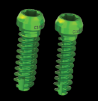
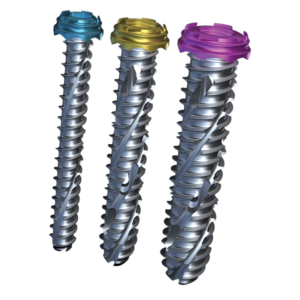
| Interference-screw design | Relevant design features can include thread geometry, screw diameter and length, drive interface, cannulation, and tip configuration. | Confirm drawings, dimensional tolerances, inspection methods, and acceptance criteria before production. Suitability depends on the intended device design and application. |
| Machining and surface finish | Finished geometry and surface condition depend on the chosen manufacturing process and machining controls. | Review process capability, deburring and cleaning controls, dimensional inspection records, and requirements for particulate or surface defects. |
| Medical-device material documentation | ASTM F2026 is a specification for PEEK polymers for surgical implant applications. Biological evaluation is addressed by the ISO 10993 series. | Verify the applicable standard, material traceability, and documentation scope. A material standard or test report alone does not establish finished-device regulatory approval. |
| Sterilization compatibility | Compatibility depends on the material grade, device design, packaging, and sterilization process; it should not be assumed from the polymer name alone. | Request validation evidence for the intended sterilization method and assess effects on mechanical properties, dimensions, and packaging. |
| Supplier quality controls | Consistent production requires controlled incoming materials, documented manufacturing processes, inspection, and lot traceability. | Assess quality-system documentation, change control, nonconformance handling, batch records, and the ability to provide traceable inspection results. |






 System Features
 Key Features
 Key Features
 Key Features
 Key Features
 Key Features
 Key Features
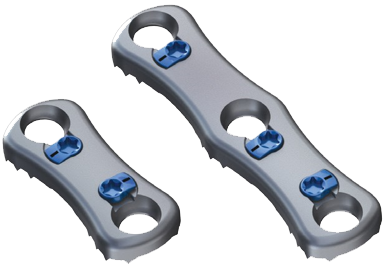
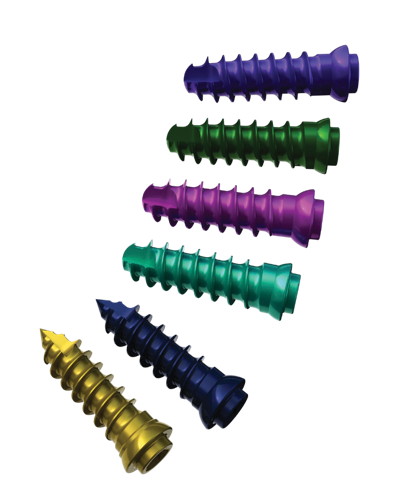
 Key Features
 Key Features
 Key Features