Top 10 Questions About Orthopedic Surgery of the Spine?

The field of orthopedic surgery of the spine has become increasingly relevant in today's healthcare landscape. Dr. Emily Chang, a renowned expert in this specialty, states, "Successful spine surgery requires not just skill, but a deep understanding of each patient's unique needs." This emphasizes the intricate balance between technical expertise and personalized care.

As patients seek relief from conditions like herniated discs or spinal stenosis, the questions they have are numerous. What should be expected before and after surgery? How long is the recovery? These inquiries reflect the deep concerns many face when considering orthopedic surgery of the spine.

Each case is different, and the answers are not always straightforward. Complications can arise, and expectations may not always align with reality. Nevertheless, a well-informed patient can navigate this complex journey more effectively. Understanding these key questions is vital for anyone considering this surgical option.

Top 10 Questions About Orthopedic Surgery of the Spine?

What is Orthopedic Surgery of the Spine?

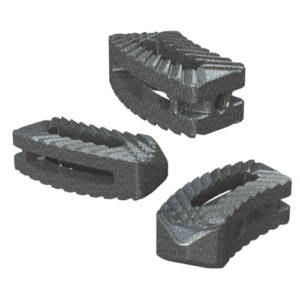
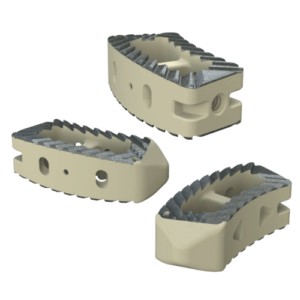
Orthopedic surgery of the spine focuses on diagnosing and treating conditions affecting the vertebral column. This specialty handles issues like herniated discs, spinal stenosis, and scoliosis. Surgeons in this field use techniques such as fusion, decompression, and minimally invasive approaches. Each method aims to relieve pain and restore function.

The journey often begins with conservative treatments like physical therapy. When these methods fail, surgery becomes an option. Surgeons must assess each case carefully. They consider the patient’s overall health, age, and specific spinal condition. Not every candidate will need surgery, and sometimes the risks outweigh the benefits. Patients should engage in thorough discussions with their surgeons. Understanding potential outcomes and recovery timelines is essential.

Recovery from spinal surgery varies widely. Some recover fully in weeks, while others may take months. Complications can arise, requiring ongoing care and adjustment of treatment plans. Everyone’s experience is unique. Open lines of communication with healthcare providers can foster better outcomes. Such reflection is crucial in making informed decisions regarding surgery.

Top 10 Questions About Orthopedic Surgery of the Spine

Common Procedures in Spine Surgery Explained

Spine surgery includes various procedures aimed at alleviating pain, improving function, and restoring mobility. One common procedure is discectomy, which involves removing a herniated disc that presses on the spinal nerves. Surgeons perform this through small incisions, minimizing recovery time. Patients often report significant pain relief following the procedure.

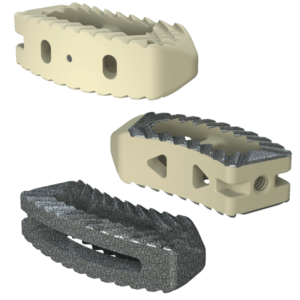
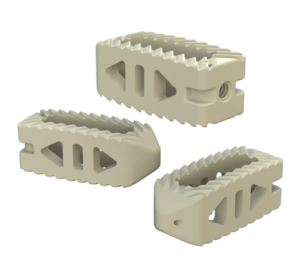
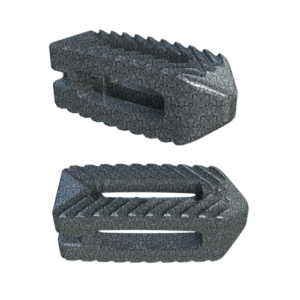
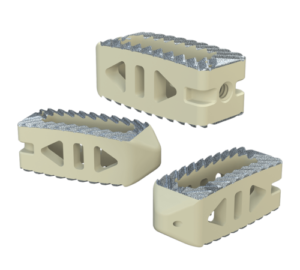
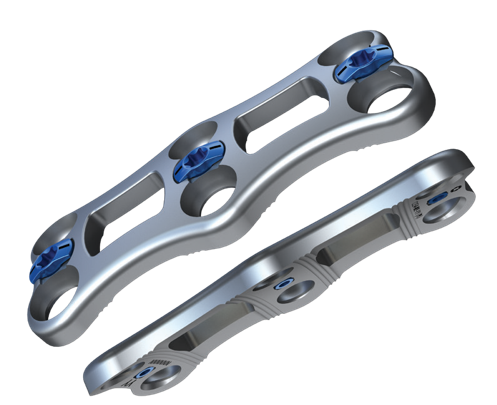
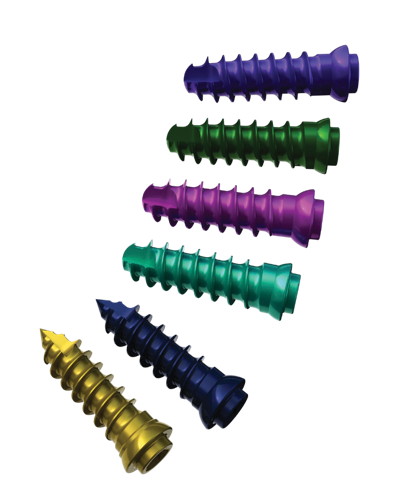
Another procedure is spinal fusion, where two or more vertebrae are permanently joined to stabilize the spine. This can be crucial for patients with severe spinal instability or chronic pain. While fusion can provide lasting relief, it may limit flexibility in the treated area. Surgeons measure these trade-offs carefully, considering each patient's unique situation.

Decompression surgery is also frequently performed to relieve pressure on the spinal cord. This can involve removing bone spurs or enlarging the spinal canal. Each surgery presents specific risks and benefits, highlighting the importance of thorough pre-operative discussions. Understanding personal goals and expectations can help in deciding the right approach for individual cases. While techniques are effective, outcomes may vary. Continuous research and personal reflection are essential for patients navigating this complex field.

Potential Risks and Complications of Spine Surgery

Spinal surgery has become a common procedure for many patients. However, it is important to understand the potential risks and complications involved. Infections are one of the most concerning issues. Even with sterile environments, post-surgical infections can occur. These may lead to longer recovery times and additional treatments.

Nerve damage is another possible complication. Though surgeons take great care, there is still a risk of affecting nearby nerves. This can result in pain, numbness, or weakness. Patients often worry about the balance between these risks and the potential benefits of surgery. Awareness of these realities can help in decision-making.

Prepare for recovery by discussing your health history with your surgeon. Ask about the specific risks based on your unique situation. It's crucial to follow post-operative care guidelines. Rest is vital during recovery, yet gentle movement can aid healing. Reflect on your progress regularly and communicate with your healthcare team about any concerns you may have. Open dialogue fosters trust and enhances outcomes.

Recovery Process and Rehabilitation After Spine Surgery

Recovery after spine surgery plays a critical role in a patient’s overall outcome. Studies suggest that approximately 80% of patients experience significant pain relief and functional improvement within six months post-surgery. However, recovery is not uniform for everyone. Some may face complications that delay their rehabilitation process. Factors such as age, overall health, and adherence to rehabilitation protocols heavily influence recovery timelines.

Rehabilitation usually begins shortly after surgery, often within 24 to 48 hours. This early mobilization helps prevent complications like blood clots and muscle atrophy. Physical therapy is essential during recovery. It focuses on strengthening the back and improving flexibility. Research shows that patients who actively participate in physical therapy recover faster and report better quality of life. Yet, many patients overlook the importance of commitment to therapy.

Postoperative pain management is also crucial. Effective pain control can enhance participation in rehabilitation, leading to better outcomes. A report from the American Academy of Orthopaedic Surgeons indicates that over 30% of patients underestimate the significance of consistent pain management. Understanding and addressing these challenges can help improve recovery experiences. It’s vital for patients to engage with their healthcare team effectively to tailor their recovery plan.

When to Consider Surgery: Indications for Spine Surgery

When considering spine surgery, it’s essential to identify the right indications. Common reasons for surgery include severe pain, numbness, or weakness that interfere with daily activities. Additionally, conditions such as herniated discs, spinal stenosis, or fractures might warrant surgical intervention if conservative treatments fail.

It's crucial to have a thorough evaluation by a qualified orthopedic specialist. They can help determine if surgery is your best option. Engaging in discussions about your symptoms and treatment history will assist in decision-making. Sometimes, patients find it hard to accept that surgery could be necessary. It’s important to weigh the risks and potential benefits carefully.

Stay informed about your options. Research various surgical techniques and recovery protocols. Understanding what to expect can help ease your concerns. Consider seeking a second opinion if unsure about your diagnosis or treatment plan. Remember, the choice to undergo surgery should be based on your unique situation and needs, not just general recommendations.

Top 10 Questions About Orthopedic Surgery of the Spine: When to Consider Surgery: Indications for Spine Surgery

Question Indication Symptoms Recommended Action
When should someone consider spine surgery? Severe, persistent pain Chronic pain lasting over 6 weeks Consult a spine specialist
What conditions may require surgery? Herniated disc Numbness or weakness in legs Consider discectomy
Is surgery necessary for spinal stenosis? Severe case of spinal stenosis Leg pain and difficulty walking Evaluate options for laminectomy
What are the risks of spinal surgery? Potential complications Infection, blood clots Discuss with your doctor
What non-surgical options exist? Physical therapy Mild to moderate pain Start with conservative treatments
How long is the recovery from spine surgery? Varies by procedure Pain management required Follow doctor’s recovery plan
What are common spine surgery procedures? Spinal fusion Chronic instability Consider surgical options
Can all patients undergo spine surgery? Not all candidates Health conditions Assessment required
What is the success rate of spine surgery? Generally high Improvement in symptoms Review statistics with a surgeon
What should I ask my surgeon? Questions about the procedure Expected outcomes Prepare a list of concerns