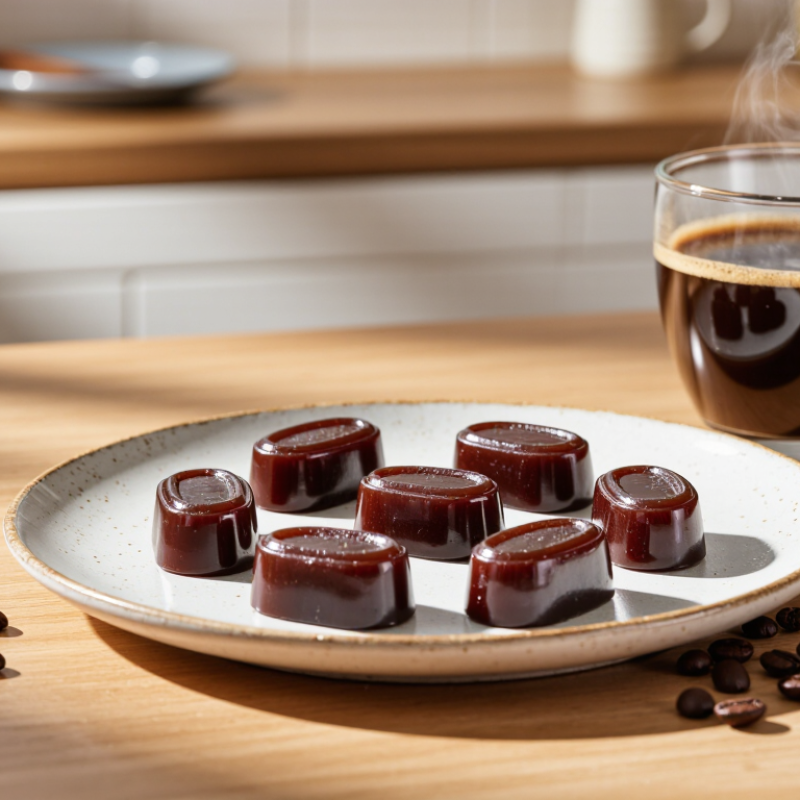
| Product type | A coffee-flavored candy or confectionery intended to be dissolved or chewed in the mouth. The term “U100” is commonly used in product naming to suggest approximately 100 mg of caffeine per serving, but the actual amount must be verified on the product label. | Do not assume the caffeine amount from the name alone. Check the serving size, caffeine declaration, and number of pieces per package. |
| Primary active ingredient | Caffeine, a naturally occurring stimulant that can increase alertness and temporarily reduce the perception of fatigue. | Its effect is pharmacological rather than purely confectionery-based. Total caffeine from coffee, tea, energy drinks, medicines, supplements, and candy should be counted together. |
| Typical stated serving | If one piece contains 100 mg of caffeine, it provides half of the European Food Safety Authority’s 200 mg single-dose level for healthy adults. | One 100 mg piece is below the 200 mg single-dose guidance, but individual sensitivity varies and other caffeine consumed at the same time must be included. |
| EFSA single-dose guidance | For healthy adults, caffeine doses of up to 200 mg consumed at one time, or within a short period, are generally not considered to raise safety concerns under normal conditions. | Staying at or below 200 mg at one time is a general reference point, not a guarantee that every person will experience no side effects. |
| EFSA daily guidance for healthy adults | Total caffeine intake up to 400 mg per day is generally not considered to raise safety concerns for healthy adults when consumed across the day. | A 100 mg piece would represent 25% of this daily reference amount. Four such pieces could reach 400 mg before adding caffeine from other sources. |
| Pregnancy and breastfeeding | EFSA identifies up to 200 mg of caffeine per day from all sources as a level that does not raise safety concerns for healthy pregnant or breastfeeding women, subject to individual medical advice. | People who are pregnant, planning pregnancy, or breastfeeding should count every caffeine source and consult a qualified healthcare professional if uncertain. |
| Onset and duration | Caffeine is absorbed relatively quickly, although the timing and intensity of effects depend on the dose, food intake, metabolism, and individual sensitivity. | Allow time to assess the effect before consuming another piece. Avoid repeated dosing simply because the first effect is not immediately noticeable. |
| Common intended uses | Portable alertness support during study, travel, work, or other situations where a small, convenient caffeine serving is preferred over a beverage. | Use only as directed on the label. It is not a substitute for adequate sleep, hydration, or treatment for persistent fatigue. |
| Possible short-term effects | Caffeine may cause nervousness, restlessness, irritability, headache, faster heartbeat, gastrointestinal discomfort, or difficulty sleeping, especially at higher doses or in sensitive individuals. | Reduce or avoid use if these effects occur. Avoid taking it close to bedtime because caffeine can interfere with sleep. |
| People requiring extra caution | Extra care may be appropriate for children and adolescents, people sensitive to caffeine, and individuals with certain heart conditions, anxiety disorders, sleep problems, or conditions affected by stimulants. | Seek advice from a healthcare professional before use when a medical condition or medication may interact with caffeine. Caffeine-containing candy should not be treated as an ordinary sweet for children. |
| Medication and supplement considerations | Caffeine may interact with some medicines and stimulant-containing supplements. The total stimulant burden can be higher when several products are combined. | Review the ingredient list and ask a pharmacist or physician about potential interactions, particularly when taking regular medication. |
| Ingredient and allergen review | Recipes may contain sugar or sweeteners, coffee or coffee flavoring, milk ingredients, soy, gelatin, or other additives. Formulas vary by product and market. | Read the full ingredient and allergen statement. People with diabetes, food allergies, or dietary restrictions should select products accordingly. |
| Safe handling | Hard or chewy candies can present a choking risk, particularly for young children or people who have difficulty swallowing. | Consume while seated and attentive, keep away from young children, and follow the package’s storage instructions. |
| Recommended decision rule | Confirm the caffeine per piece, calculate the total caffeine already consumed, and compare the planned intake with the 200 mg single-dose reference and the 400 mg daily reference for healthy adults. | Do not combine multiple pieces with coffee, energy drinks, caffeinated supplements, or medicines without calculating the total amount. |
| Important limitation | Caffeine content, serving size, ingredients, and labeling may differ among products described as U100 coffee candy or black coffee candy. | The package label and applicable local regulations take priority over general product descriptions. EFSA guidance is intended for healthy populations and does not replace individualized medical advice. |
| Reference basis | European Food Safety Authority, scientific assessment on the safety of caffeine, including guidance for single doses up to 200 mg and daily intake up to 400 mg for healthy adults. | These values are population-level guidance thresholds and should be interpreted alongside personal sensitivity, health status, age, pregnancy status, and total caffeine exposure. |




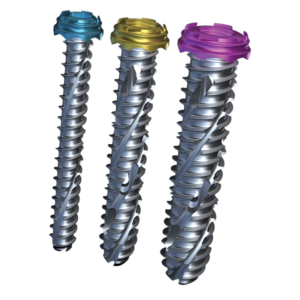

 System Features
 Key Features
 Key Features
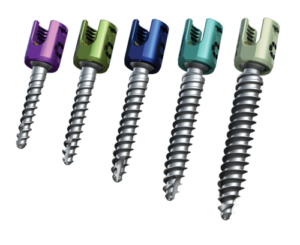 Key Features
 Key Features
 Key Features
 Key Features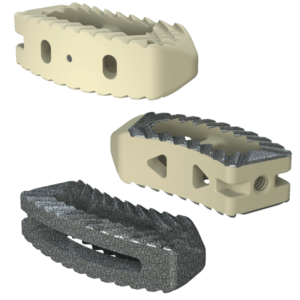
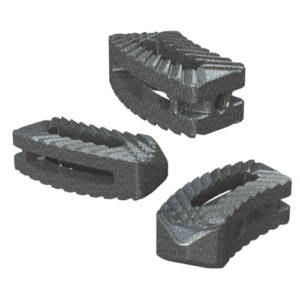
 Key Features
 Key Features
 Key Features