| What it is | Visible red light used in low-level photobiomodulation applications. | Longer-wavelength, invisible light commonly used to reach deeper tissues than visible red light. |
| Typical wavelength range | 630–660 nanometers (nm) | 810–850 nanometers (nm) |
| Visibility | Visible to the human eye as red light. | Generally invisible to the human eye. |
| Primary tissue target | Primarily the skin and superficial tissues, with penetration influenced by wavelength, skin properties, and device output. | Typically selected when light exposure to deeper soft tissues is desired; actual depth varies with tissue and treatment parameters. |
| Commonly studied applications | Support for selected skin-related goals, such as appearance of fine lines, texture, and wound-healing research. | Research involving muscle recovery, joint comfort, circulation-related responses, and other deeper-tissue applications. |
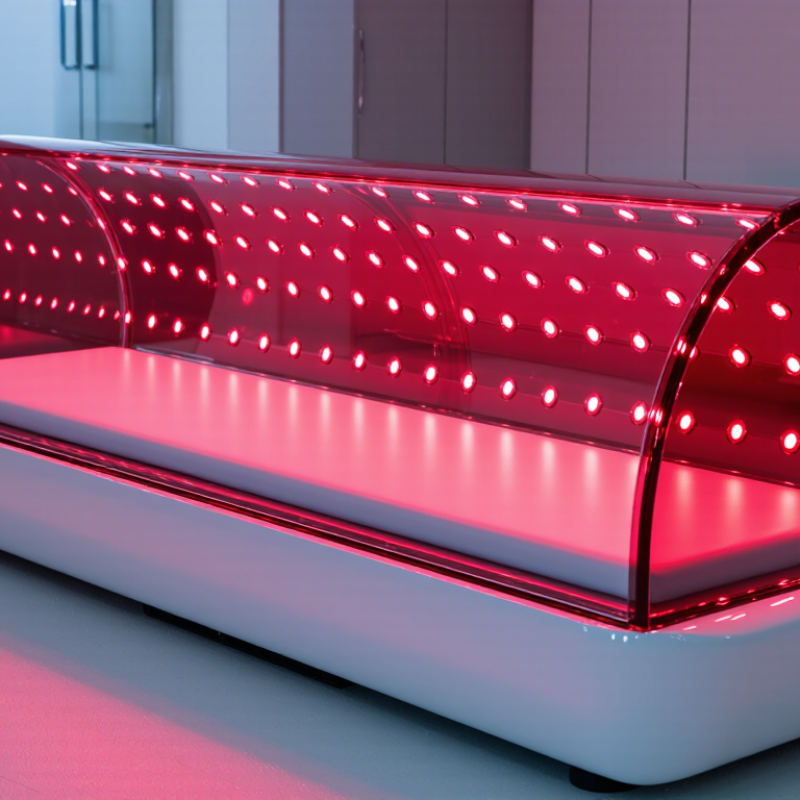
| How a therapy bed uses it | Multiple light-emitting modules distribute red light over a large portion of the body. | Near-infrared modules may be combined with red-light modules to provide broader wavelength coverage. |
| Measurement that matters | Irradiance, measured in milliwatts per square centimeter (mW/cm²), and treatment time. | Irradiance at the body surface, treatment time, and the delivered energy dose. |
| Dose calculation | Energy density (J/cm²) = irradiance (W/cm²) × time (seconds). | Energy density (J/cm²) = irradiance (W/cm²) × time (seconds); the same calculation applies to near-infrared light. |
| Thermal effect | Designed for low-level light exposure rather than intentional tanning; mild warmth may still occur. | May produce warmth depending on irradiance, distance, session length, ventilation, and device design. |
| Key advantages of a full-body bed | Large-area exposure can be more convenient than treating small areas separately. | A broad treatment area can expose several body regions during one session. |
| What it does not provide | It does not provide ultraviolet tanning light when the device is designed without UV wavelengths. | It should not be assumed to treat a medical condition or replace professional medical care. |
| Important safety considerations | Follow the device instructions, avoid staring into bright LEDs, and use recommended eye protection when specified. | Consult a qualified healthcare professional if using photosensitizing medication, managing an eye condition, or treating a medical problem. |




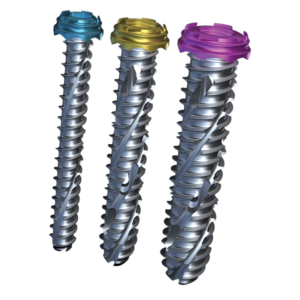

 System Features
 Key Features
 Key Features
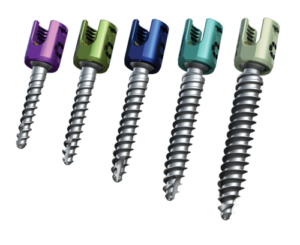 Key Features
 Key Features
 Key Features
 Key Features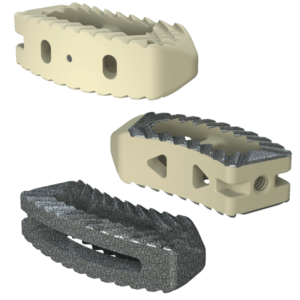
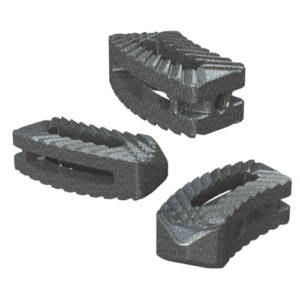
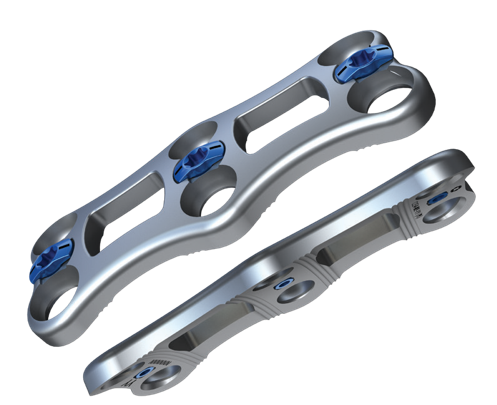
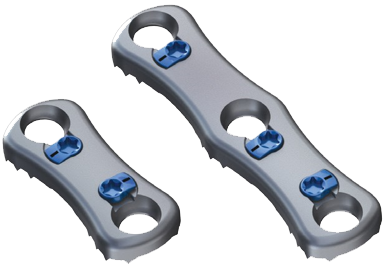
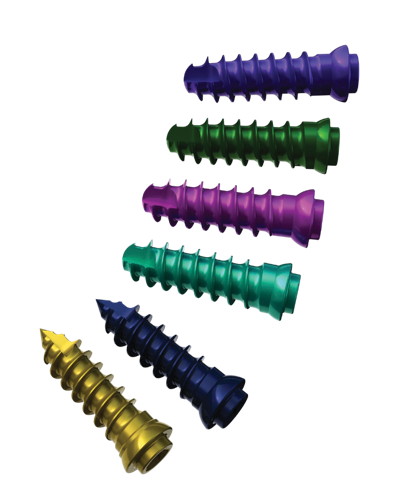
 Key Features
 Key Features
 Key Features