| Fabric Tensile Strength | Confirms that woven polypropylene fabric can withstand the specified loading and handling forces. | ISO 13934-1 or ASTM D5034; the applicable FIBC specification and ISO 21898 requirements should govern the final method. | Test warp and weft specimens separately. Record maximum force, elongation at break, specimen direction, conditioning, and failure location. | Each result meets or exceeds the approved technical specification. Failures caused by slippage, premature tearing, or visible defects require investigation. | Sample identification, fabric lot, direction, force, elongation, operator, equipment ID, and calibration status. |
| Drop Resistance | Evaluates whether a filled FIBC can withstand accidental dropping during lifting, movement, or storage. | UN performance-testing framework for applicable flexible IBCs and ISO 21898; the required drop height depends on the certified design and regulatory classification. | Use the specified gross mass and filling material. Record drop height, number of drops, impact orientation, package condition, leakage, and loss of contents. | No rupture, dangerous leakage, or loss of contents that would make the package unsafe or non-compliant under the applicable design-test requirement. | Gross mass, fill material, drop height, impact surface, drop sequence, photographs, and post-test inspection. |
| Topple or Overturning Test | Checks stability and structural integrity when a filled container is tilted or overturned during handling. | ISO 21898 or the customer-approved handling and performance protocol; the selected procedure should match the FIBC design and intended use. | Record filled mass, support configuration, tilt or overturning sequence, body deformation, loop condition, seam condition, and leakage. | The FIBC remains intact and does not develop unacceptable leakage, hazardous distortion, or lifting-loop damage. | Product code, fill level, gross mass, test sequence, observations, images, and final disposition. |
| UV Resistance | Assesses degradation of polypropylene fabric and lifting components caused by ultraviolet exposure during outdoor storage or transport. | ISO 21898 UV-resistance provisions, when applicable, together with ASTM G154 or another approved accelerated-weathering procedure. | Record lamp type, irradiance, exposure cycle, total exposure time, specimen orientation, tensile retention, color change, brittleness, and cracking. | After the approved exposure, retained strength and appearance remain within the project specification. The exact exposure schedule must be defined before testing. | Exposure cycle, chamber settings, irradiance, duration, pre-test values, post-test values, and percentage strength retention. |
| Seam Strength | Verifies that sewn or welded joints provide adequate load transfer and do not become the first point of failure. | ISO 21898 seam requirements, supported where appropriate by ISO 13935-1 or an approved seam-strength procedure. | Test representative seams from the body, base, discharge spout, and closure areas. Record force at failure, failure mode, stitch condition, and sampling location. | Measured strength meets the approved seam specification, with no skipped stitches, open seams, excessive thread damage, or fabric pull-out. | Seam location, stitch type, stitch density, thread specification, peak force, failure mode, and inspection photographs. |
| Lifting-Loop Integrity | Confirms that lifting loops and their attachment points can safely support the specified working load. | ISO 21898 and the approved FIBC safe-working-load design calculation or qualification plan. | Apply the specified load through the intended lifting arrangement. Inspect loop webbing, reinforcement, stitching, corner seams, and deformation. | No rupture or separation occurs, and the lifting assembly remains suitable for the declared safe working load and safety factor. | Declared safe working load, lifting configuration, applied load, duration, attachment details, and post-test condition. |
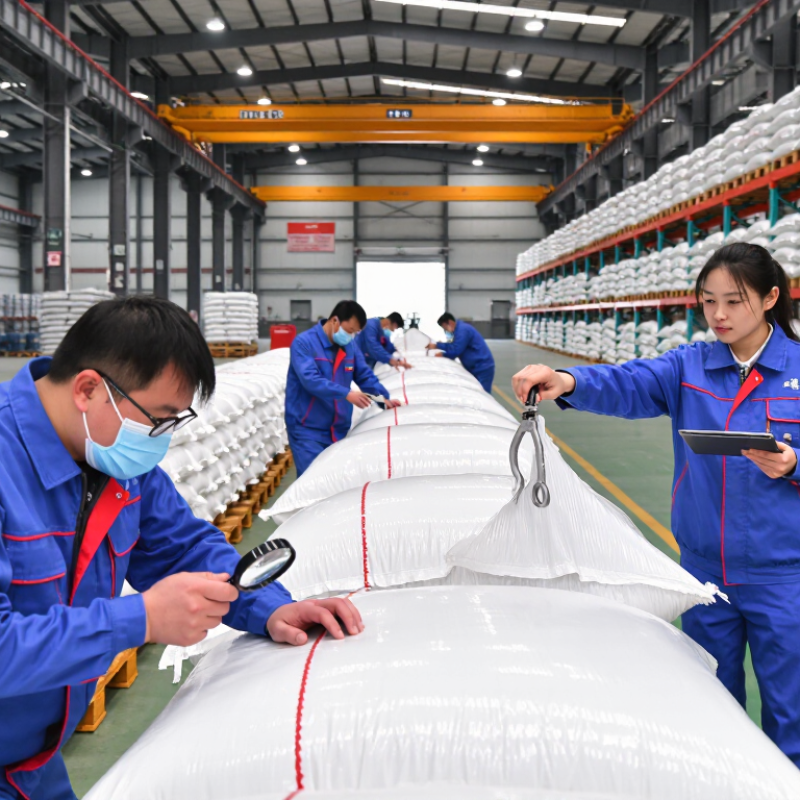
| Visual and Dimensional Inspection | Detects manufacturing defects that may affect filling, discharge, stacking, handling, or product containment. | Approved drawing, purchase specification, ISO 21898 design requirements, and documented sampling plan. | Check length, width, height, panel alignment, fabric appearance, coating, liners, closures, labels, seams, lifting loops, and contamination. | Dimensions remain within approved tolerances and no critical, major, or unacceptable minor defects are present under the agreed inspection plan. | Inspection level, sample size, measured dimensions, defect classification, photographs, and corrective-action reference. |
| Test-System Control | Ensures that reported results are traceable, repeatable, and suitable for production-release decisions. | ISO/IEC 17025 principles for competent testing laboratories, where applicable, plus an internal calibration and document-control procedure. | Verify equipment calibration, reference standards, method revision, environmental conditions, operator authorization, sample traceability, and data review. | Only results generated with valid equipment, controlled methods, identifiable samples, and complete records are accepted for release. | Calibration certificates, method revision, raw data, equipment ID, analyst signature, review approval, and retained samples. |




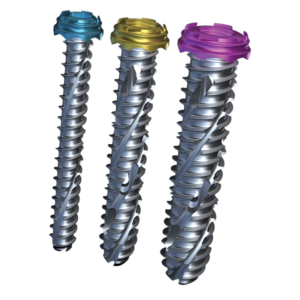

 System Features
 Key Features
 Key Features
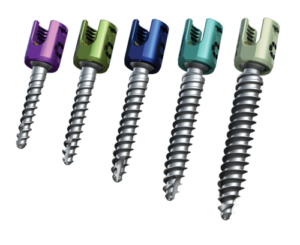 Key Features
 Key Features
 Key Features
 Key Features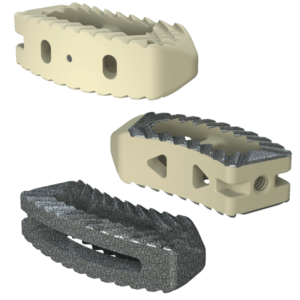
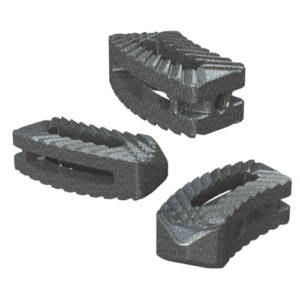
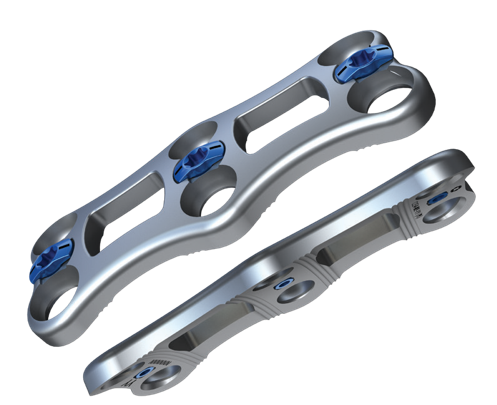
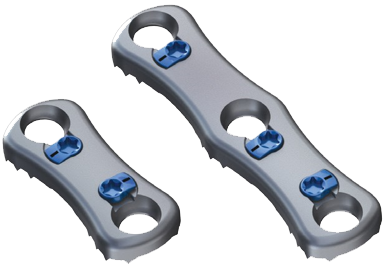
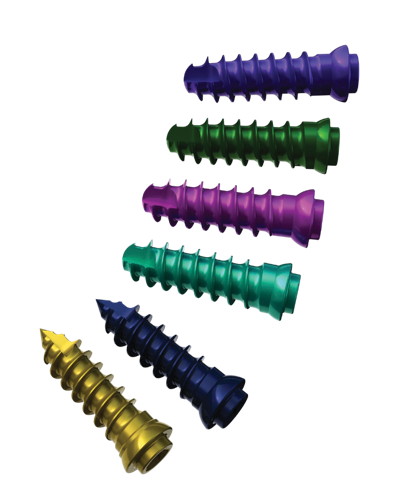
 Key Features
 Key Features
 Key Features