| Geology | Rock type | Coarse-grained intrusive igneous rock | Granite forms when magma cools slowly beneath the Earth's surface, allowing visible mineral crystals to develop. |
| Composition | Primary minerals | Quartz, alkali feldspar, and plagioclase feldspar | These minerals create granite's interlocking crystalline structure, which contributes to strength, durability, and distinctive natural patterns. |
| Composition | Quartz content | Approximately 20–60% of the light-colored mineral fraction | Quartz is resistant to scratching and chemical weathering, although it can still be affected by severe impact or concentrated abrasive action. |
| Classification | Common mineral classification system | QAPF classification | Geologists classify plutonic rocks using the relative proportions of quartz, alkali feldspar, plagioclase, and feldspathoids. True granite occupies a quartz-bearing field in this system. |
| Hardness | Overall Mohs hardness | Approximately 6–7 | The exact value varies with mineral composition. Quartz is Mohs 7, while feldspar is generally Mohs 6, so different granite varieties may respond differently to scratching. |
| Hardness | Scratch resistance | High for normal household and building use | Granite generally resists scratches from common materials, but abrasive grit, hard mineral particles, and improper cutting tools can damage the polished surface. |
| Durability | Abrasion and wear resistance | Generally high | Its interlocking mineral grains make granite suitable for floors, stairs, wall cladding, vanities, worktops, and other high-use surfaces. |
| Heat performance | Response to ordinary kitchen heat | Generally good, with thermal-shock limitations | Granite tolerates moderate heat better than many synthetic surfaces, but sudden temperature changes or direct contact with very hot cookware may cause cracking or discoloration. |
| Moisture | Porosity and water absorption | Variable by variety and finish | Granite is not completely nonporous. Some varieties benefit from periodic sealing to reduce staining and moisture penetration, especially in kitchens and bathrooms. |
| Chemical resistance | Resistance to common household substances | Good, but acids may dull polished surfaces | Quartz-rich granite is generally durable, but acidic substances can attack minerals or sealers. Prompt cleanup helps reduce etching and staining risks. |
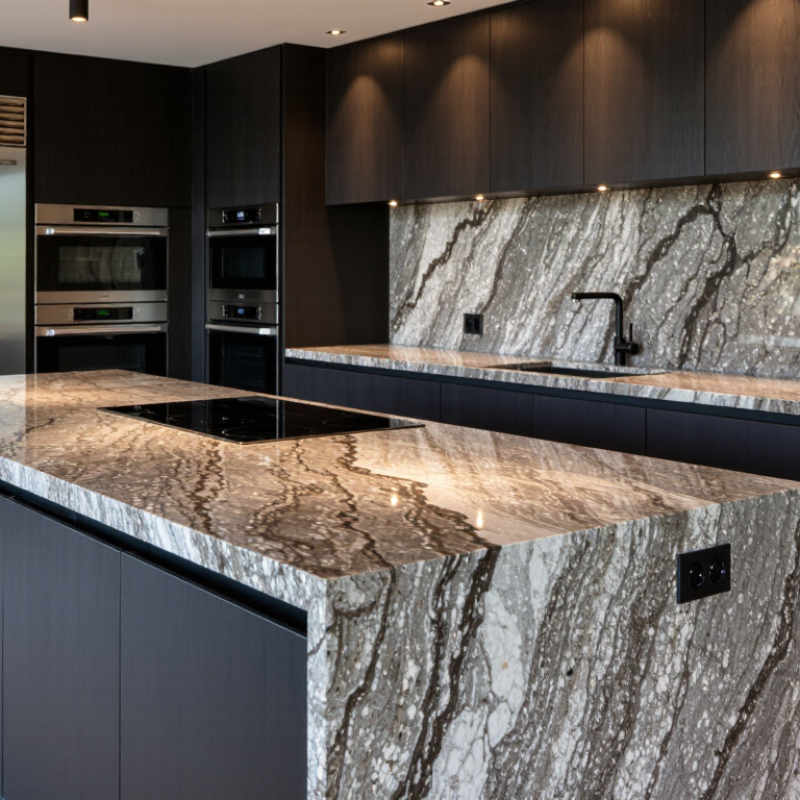
| Appearance | Natural visual characteristics | Granular texture with varied colors and crystal patterns | Color and pattern depend on mineral proportions, grain size, alteration, and geological origin. Each slab can show natural variation. |
| Fabrication | Cutting and finishing requirements | Diamond tooling and professional fabrication recommended | The high hardness and density that improve durability also make granite difficult to cut, drill, polish, or modify without suitable equipment. |
| Structural use | Common construction applications | Cladding, paving, stairs, monuments, retaining elements, and architectural details | Selection should consider slab thickness, support conditions, anchoring, span, freeze-thaw exposure, and local structural requirements. |
| Maintenance | Routine care | Mild cleaner, soft cloth, and periodic condition checks | Avoid harsh acids, abrasive powders, and prolonged exposure to staining liquids. Maintenance needs vary according to surface finish and stone porosity. |
| Selection | Important evaluation factors | Hardness, porosity, finish, thickness, color variation, and intended exposure | A laboratory report or supplier technical data for the specific stone is preferable because granite properties vary significantly between geological varieties. |





 System Features
 Key Features
 Key Features
 Key Features
 Key Features
 Key Features
 Key Features
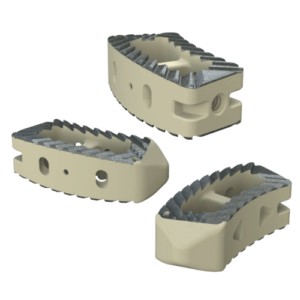
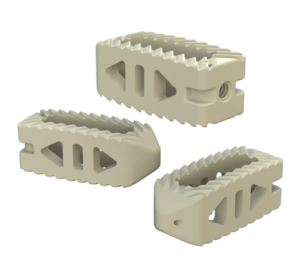
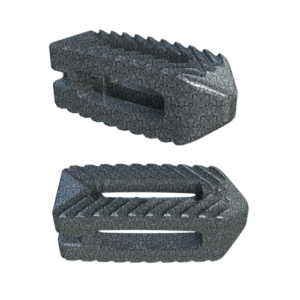
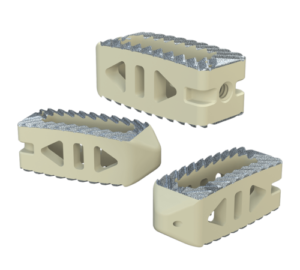
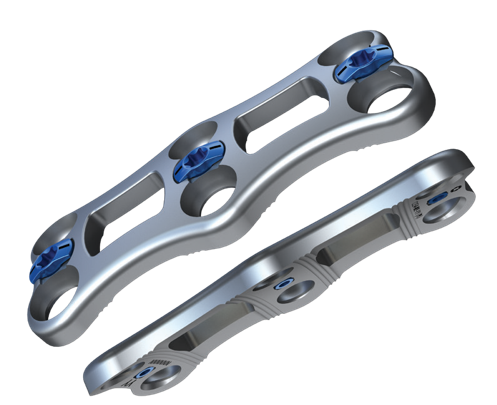
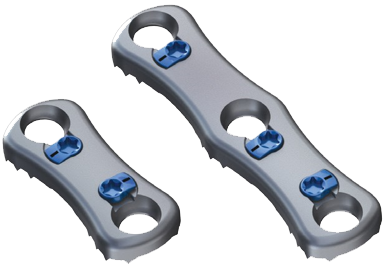
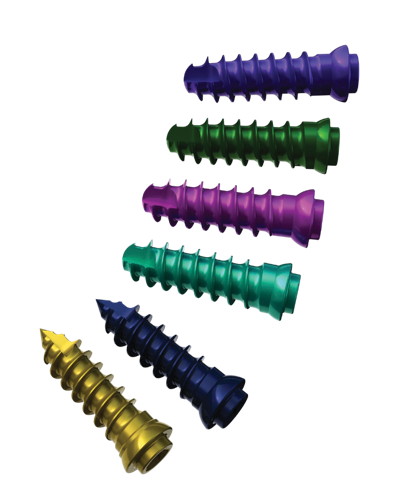
 Key Features
 Key Features
 Key Features