| Definition and recognition | Mesotropia describes an inward ocular deviation; clinicians may use the broader terms esodeviation or esotropia. | One eye, or both eyes alternately, may appear turned toward the nose. The deviation can be constant or intermittent and may differ between near and distance viewing. | Recognize and document an apparent pre-existing eye-alignment difference rather than assuming it is caused by a planned procedure. |
| Accommodative esotropia | Often associated with farsightedness (hyperopia). Focusing effort can increase convergence and contribute to inward turning. | May begin in childhood and can be more noticeable during near tasks. The deviation may improve when the appropriate corrective lenses are worn. | Ask about corrective lenses and known eye conditions. A new or changing deviation warrants assessment by an eye-care professional. |
| Infantile or early-onset esotropia | Begins during infancy or early childhood; it is not necessarily caused by a refractive error. | Often a persistent inward deviation. In young children, the brain may suppress input from one eye, increasing the risk of amblyopia. | Do not interpret longstanding childhood misalignment as a recent treatment effect. Refer concerns about vision or alignment to an eye-care professional. |
| Acquired nonaccommodative esotropia | Can develop later in childhood or adulthood and may have several causes, including changes in ocular alignment or underlying illness. | New double vision may occur, especially in adults. The onset, pattern, and associated symptoms help guide clinical evaluation. | Ask whether the deviation or double vision is new. Defer elective periocular treatment when a new unexplained ocular symptom needs evaluation. |
| Sixth cranial nerve (abducens) palsy | Weakness of the lateral rectus muscle reduces outward movement of the affected eye; possible causes include vascular, neurologic, traumatic, or pressure-related conditions. | Horizontal double vision may be worse when looking toward the affected side. Outward movement of the involved eye may be limited. | New double vision or restricted eye movement requires prompt medical assessment, particularly when accompanied by headache or other neurologic symptoms. |
| Sensory esotropia | Reduced vision in one eye can disrupt the normal balance of binocular alignment. | The affected eye may turn inward; the underlying vision loss can have a variety of causes. | Ask about known reduced vision, eye disease, or previous eye surgery. Avoid making assumptions about the cause from appearance alone. |
| Possible periocular treatment effects | Botulinum toxin injections around the eyes can rarely affect nearby extraocular muscles if the toxin spreads, potentially causing temporary diplopia or misalignment. | Symptoms may include new double vision, altered eye movement, or eyelid droop after treatment. These effects are distinct from simply noticing a longstanding deviation. | Explain relevant risks, document baseline symptoms, and provide clear follow-up instructions. New post-treatment double vision or movement limitation should be medically assessed. |
| Urgent warning signs | Sudden-onset deviation or double vision may be associated with an urgent ocular or neurologic condition. | Seek urgent assessment for sudden symptoms, severe headache, eye pain, unequal pupils, weakness, speech difficulty, or other new neurologic signs. | Do not proceed with an elective injection when urgent symptoms are present; arrange appropriate medical evaluation. |

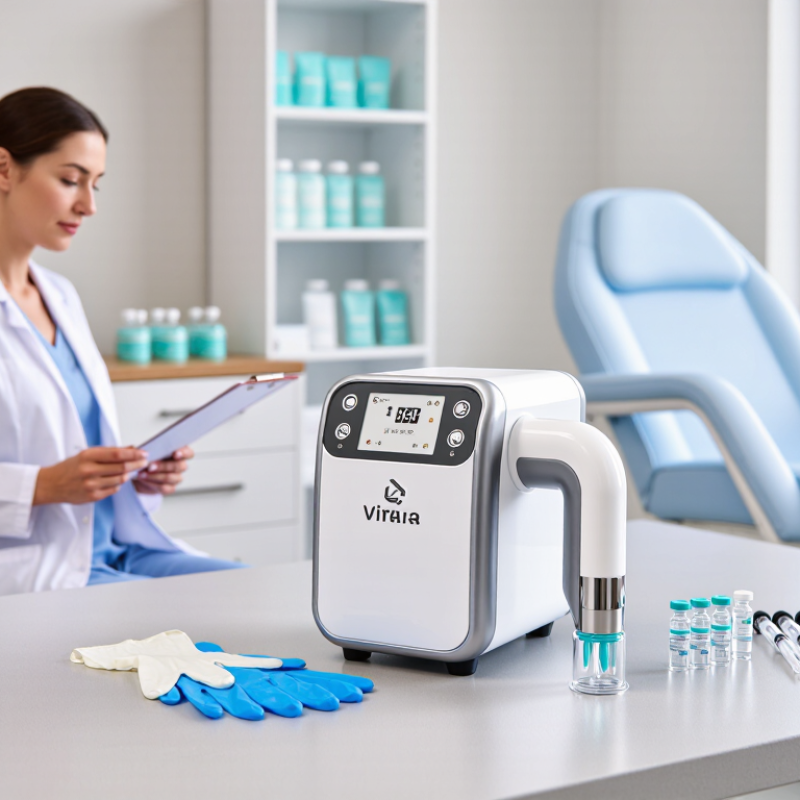



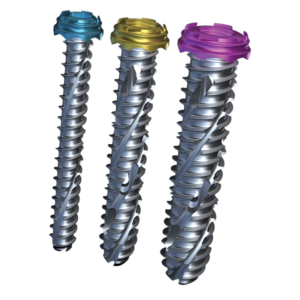

 System Features
 Key Features
 Key Features
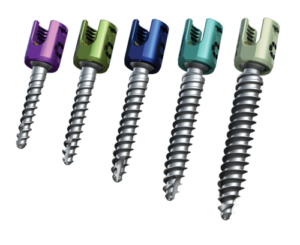 Key Features
 Key Features
 Key Features
 Key Features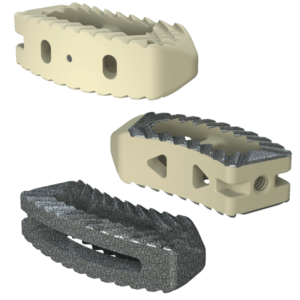
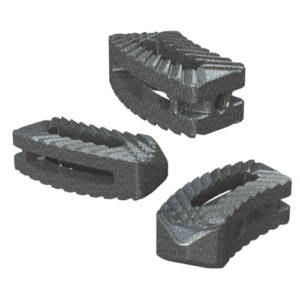
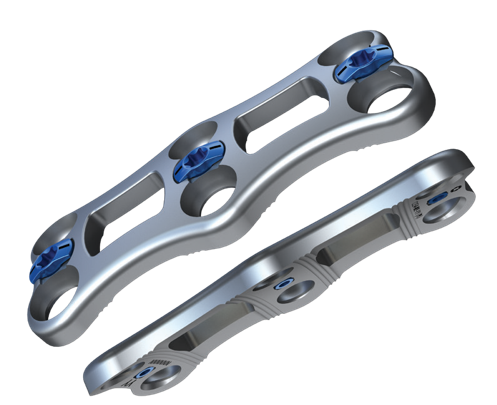
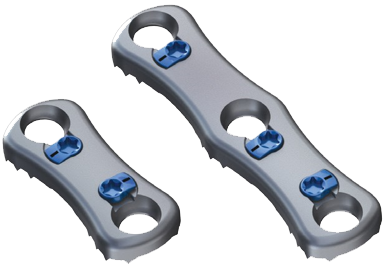
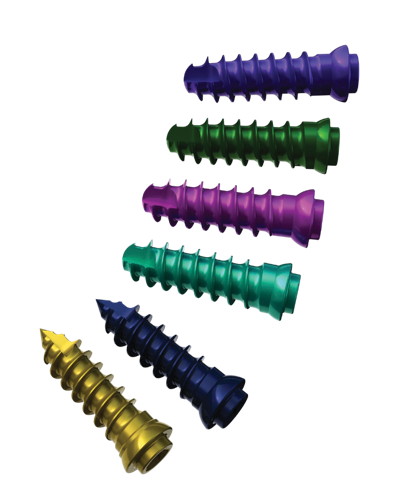
 Key Features
 Key Features
 Key Features