| Board certification |
Confirm current specialty certification and any relevant subspecialty training through an official credential-verification source. |
Record verified status and verification date for each candidate. |
| Relevant clinical experience |
Ask how often the surgeon treats your specific diagnosis, spinal level, and complexity—not only how many years they have practiced. |
Request procedure- and diagnosis-specific experience; do not infer it from general practice length. |
| Non-surgical options |
Check whether appropriate non-operative care is discussed, including physical therapy, medication options, activity changes, or injections when clinically suitable. |
Note which options were considered and why surgery was or was not recommended. |
| Reason for the proposed procedure |
The surgeon should explain how symptoms, examination findings, and imaging relate to the proposed treatment and its goals. |
Record the diagnosis, expected benefit, alternatives, and reasons for the recommendation. |
| Outcomes and measurement |
Ask which outcomes are tracked, how they are measured, the follow-up period, and whether results are specific to comparable patients and procedures. |
Enter figures only when the measure, patient group, time frame, and data source are supplied. |
| Safety and complications |
Ask about risks relevant to your health and procedure, how complications are monitored, and what follow-up is provided. |
Compare only rates with the same definitions, procedure type, and reporting period; otherwise mark “not comparable.” |
| Revision and reoperation data |
If available, clarify what counts as revision surgery, the length of follow-up, and whether the data apply to your planned procedure. |
Do not compare raw percentages without matching definitions and follow-up periods. |
| Shared decision-making |
Assess whether the surgeon invites questions, discusses uncertainty, and incorporates your goals and preferences. |
After the consultation, note how clearly options and trade-offs were explained. |
| Care coordination and recovery |
Confirm who handles follow-up, rehabilitation guidance, symptom concerns, and coordination with other clinicians. |
Record the follow-up plan, contact route, and expected recovery guidance. |
| Second-opinion readiness |
A patient-centered clinician should be willing to answer questions and support an informed second opinion when requested. |
Note whether records and imaging can be shared for independent review. |












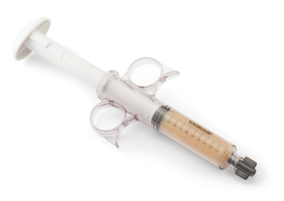


 System Features
 Key Features
 Key Features
 Key Features
 Key Features
 Key Features
 Key Features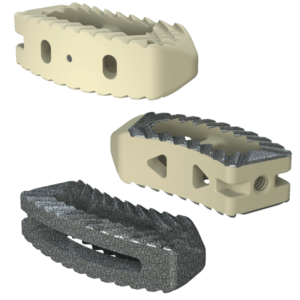




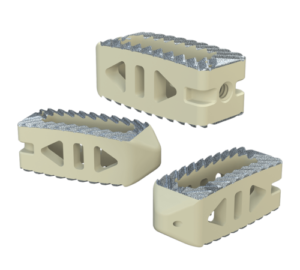



 Key Features
 Key Features
 Key Features