| 1 |
Quality Management System |
Current ISO 13485 certificate, certification scope, issuing body, audit status, and documented corrective-action process. |
ISO 13485:2016
Certificate scope should cover spinal implants, instruments, or the specific manufacturing activity being purchased. |
Expired certificate, unclear scope, certificate issued only for trading activities, or refusal to provide audit documentation. |
| 2 |
Product Portfolio |
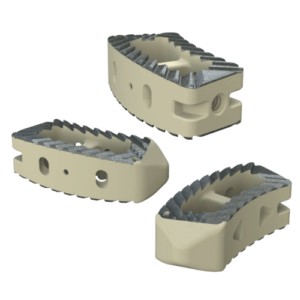
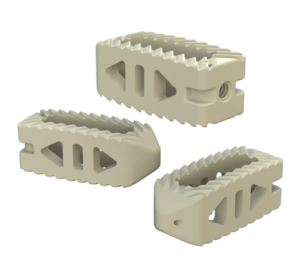
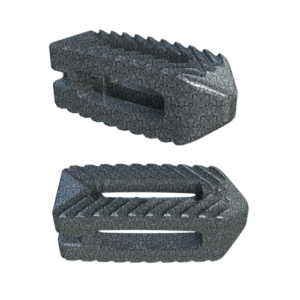
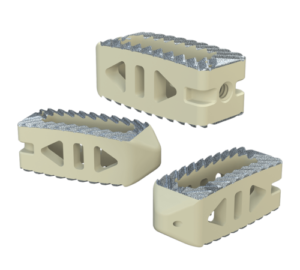
Technical files or product catalogs for pedicle screw systems, rods, cross-links, interbody cages, and related instruments. |
The supplier should demonstrate compatibility between implants and instruments, with defined sizes, materials, and indications for use. |
Generic catalogs without drawings, incomplete size ranges, or no documented system compatibility. |
| 3 |
Material Traceability |
Mill certificates, heat or lot numbers, incoming inspection records, and material specifications for titanium, cobalt-chromium, stainless steel, and polymer components. |
Material identification should be traceable from raw material receipt through machining, cleaning, packaging, and final release. |
Unverified material substitutions, missing heat numbers, or certificates that cannot be linked to production batches. |
| 4 |
Mechanical Testing Capability |
Test reports for static compression, compression-shear, torsion, fatigue, and construct performance where applicable. |
Testing should be relevant to the device type and based on recognized methods such as ASTM F1717 for spinal implant constructs and ASTM F2077 for intervertebral body fusion devices. |
Only marketing data, tests performed on unrelated products, or reports without sample configuration and acceptance criteria. |
| 5 |
Biocompatibility and Biological Safety |
Biological evaluation plan, material declarations, cytotoxicity, sensitization, irritation, systemic toxicity, and other applicable biological safety reports. |
ISO 10993 Series
Evaluation should be based on the final finished device, intended contact type, duration, and sterilization condition. |
Reports based only on raw materials, outdated testing, or no assessment of residues from machining and cleaning. |
| 6 |
Regulatory Documentation |
Device classification, technical documentation, registration certificates, declarations of conformity, and market-specific authorization records. |
Documentation should match the exact product family, intended use, manufacturing site, and target market. U.S. submissions may involve FDA 510(k) requirements; European supply may require EU MDR compliance. |
Certificates belonging to another legal entity, mismatched product names, or unsupported claims of regulatory approval. |
| 7 |
Manufacturing and Process Control |
Process flow charts, CNC machining controls, surface-treatment records, cleaning validation, inspection plans, and equipment calibration records. |
Critical dimensions, thread geometry, locking mechanisms, surface finish, and particulate control should have documented process limits and inspection methods. |
Heavy dependence on manual finishing, uncontrolled subcontracting, missing calibration records, or no validation for special processes. |
| 8 |
Sterilization and Packaging Readiness |
Packaging drawings, seal-strength tests, accelerated-aging studies, sterilization validation, and shelf-life rationale. |
Packaging and sterilization should be validated for the final configuration. Relevant standards may include ISO 11607 for terminally sterilized medical-device packaging. |
Unvalidated packaging, unclear sterile barrier system, missing transportation testing, or unsupported expiration dates. |
| 9 |
Supply Capacity and Delivery Control |
Monthly production capacity, minimum order quantity, standard lead time, backup equipment, supplier continuity plan, and historical on-time delivery records. |
Capacity claims should be supported by equipment lists, staffing levels, production records, and a written change-notification process. |
Very short lead-time promises without capacity evidence, unstable raw-material supply, or significant dependence on one subcontractor. |
| 10 |
After-Sales and Technical Support |
Complaint-handling procedure, nonconformance response, field-action process, engineering support, training materials, and spare-instrument policy. |
The supplier should provide documented response timelines, lot-level traceability, corrective-action reports, and controlled revisions of surgical instruments and product drawings. |
No formal complaint system, slow technical response, uncontrolled drawing revisions, or inability to trace affected lots. |










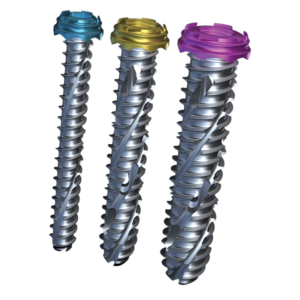

 System Features
 Key Features
 Key Features
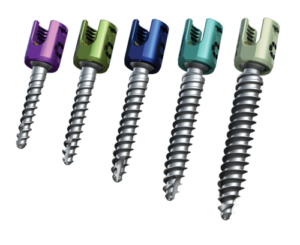 Key Features
 Key Features
 Key Features
 Key Features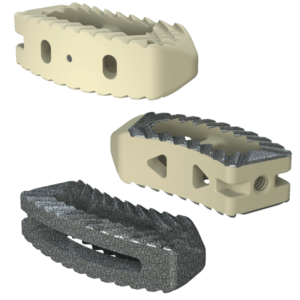
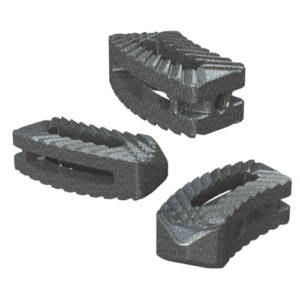
 Key Features
 Key Features
 Key Features